
Last updated November 15, 2026
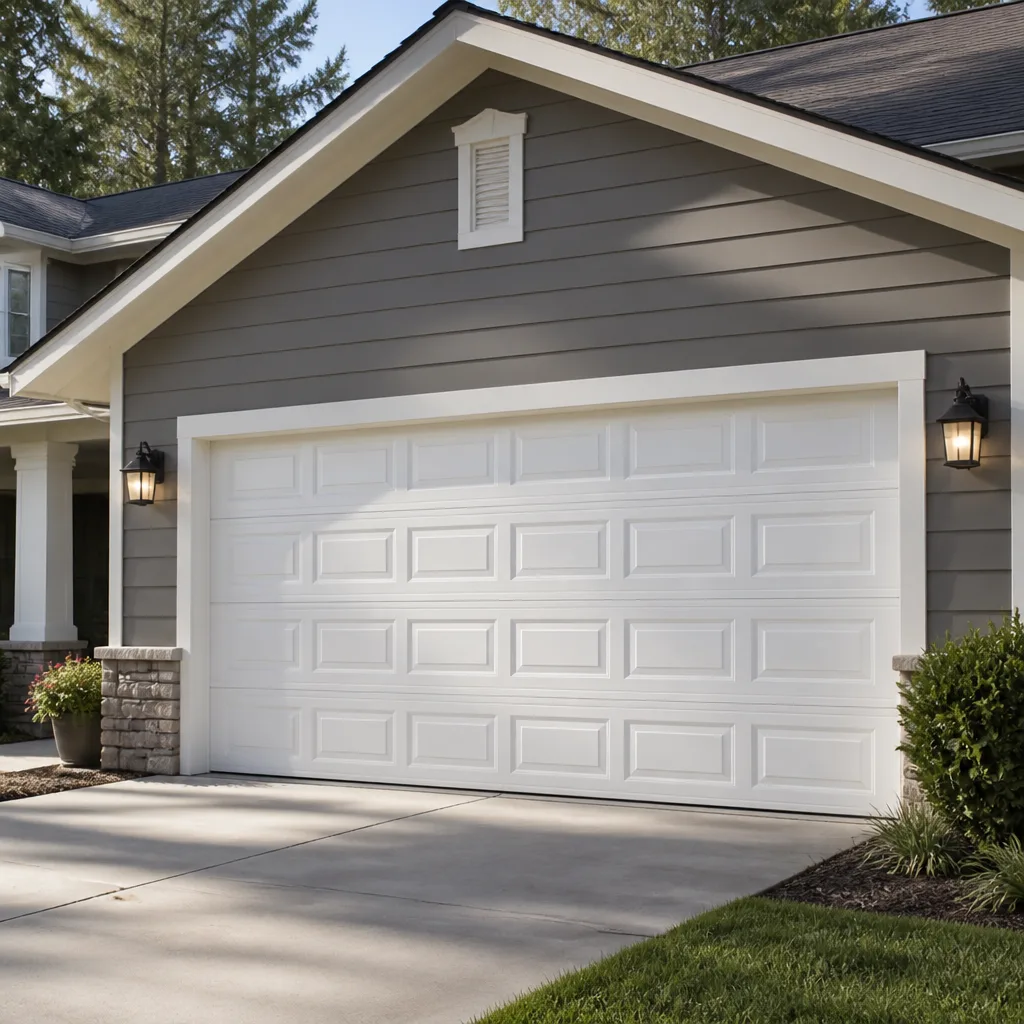 Raised-panel steel
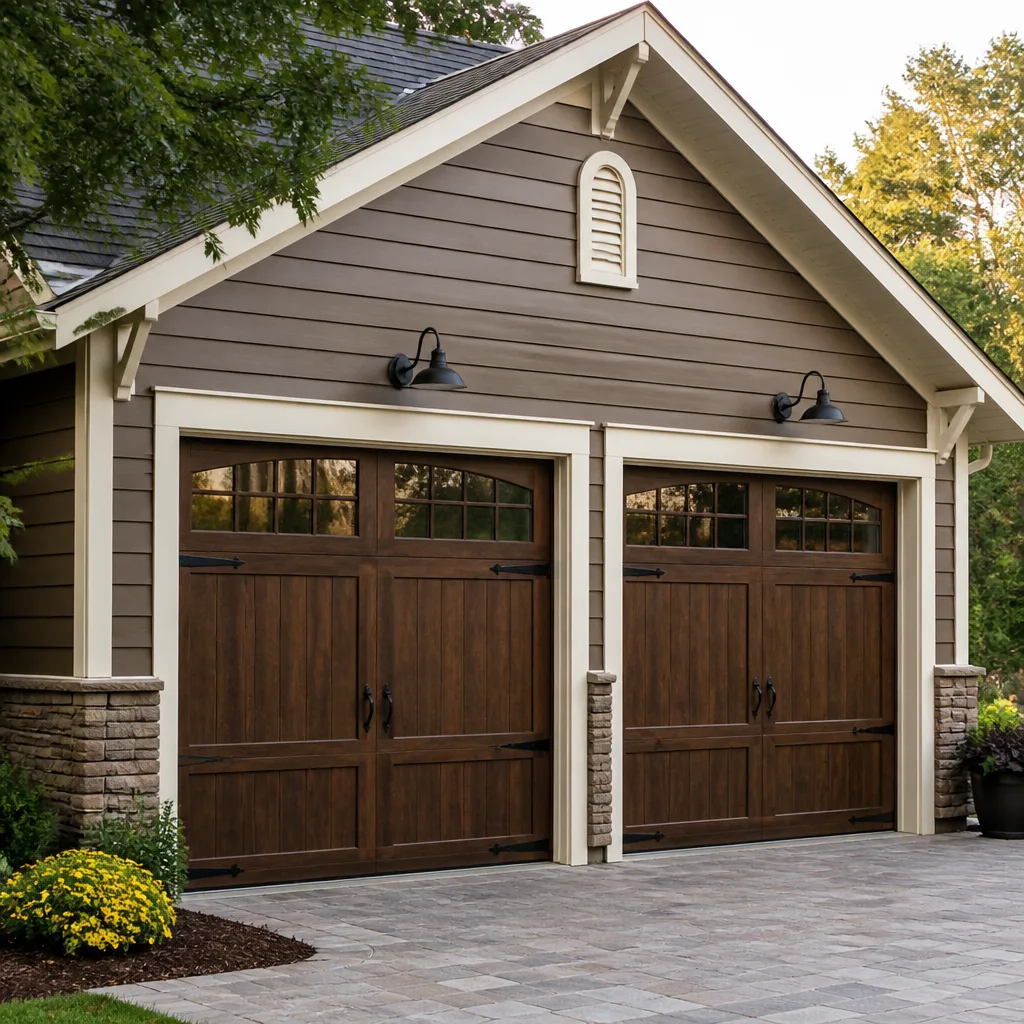 Carriage house
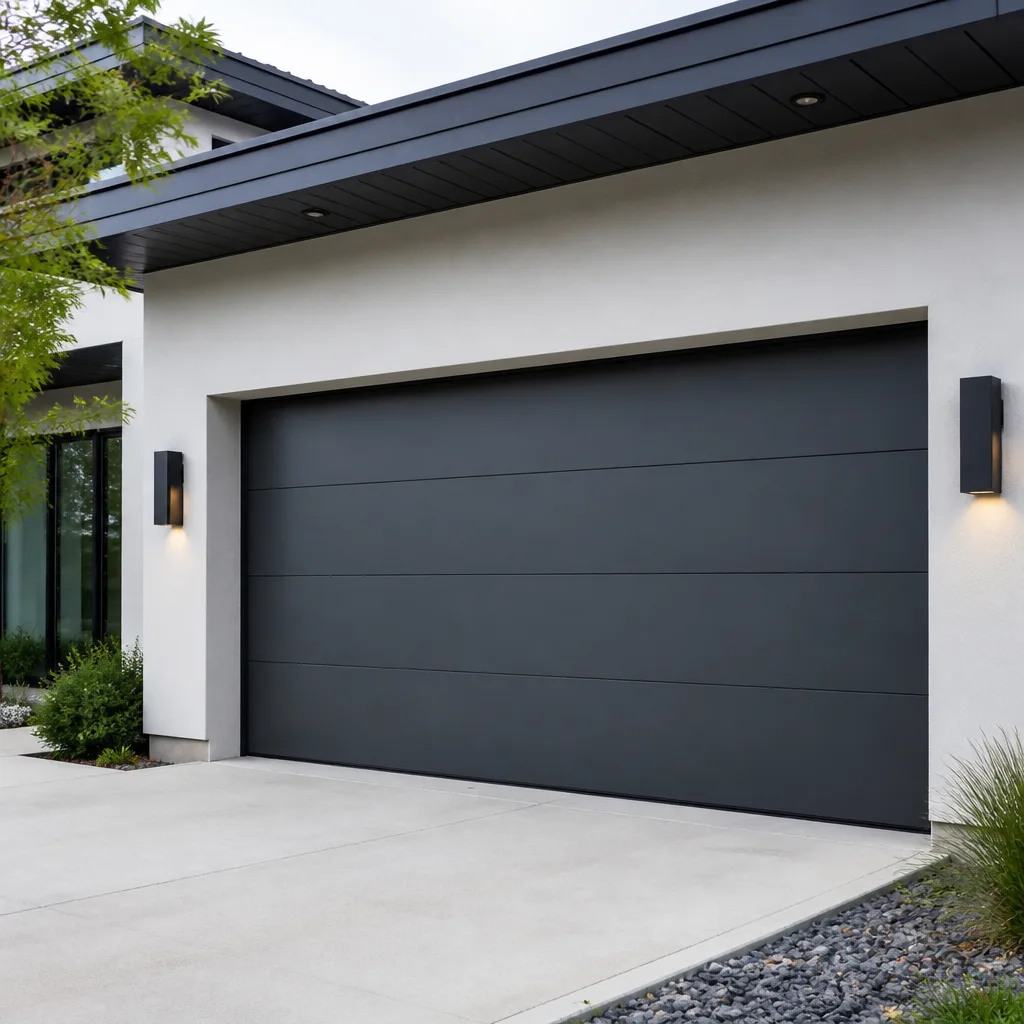 Modern flush
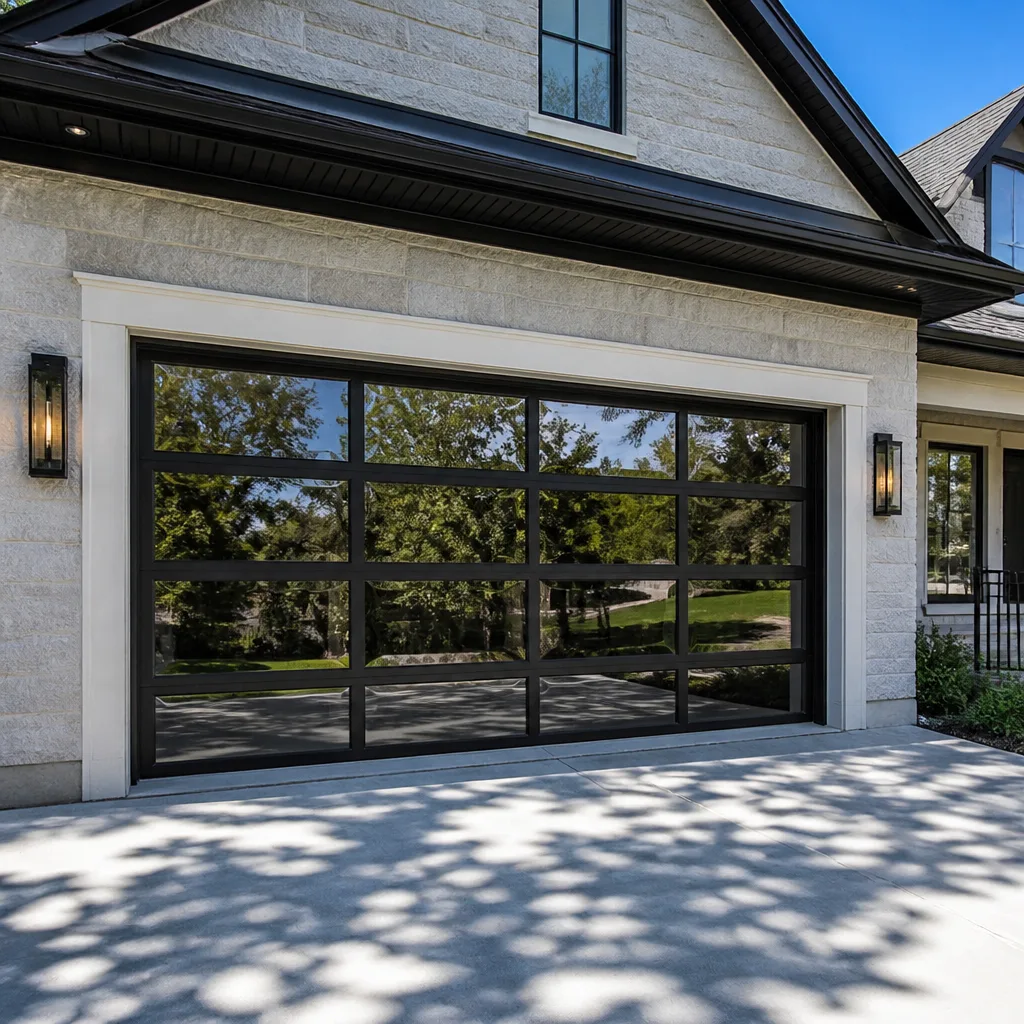 Full-view glass
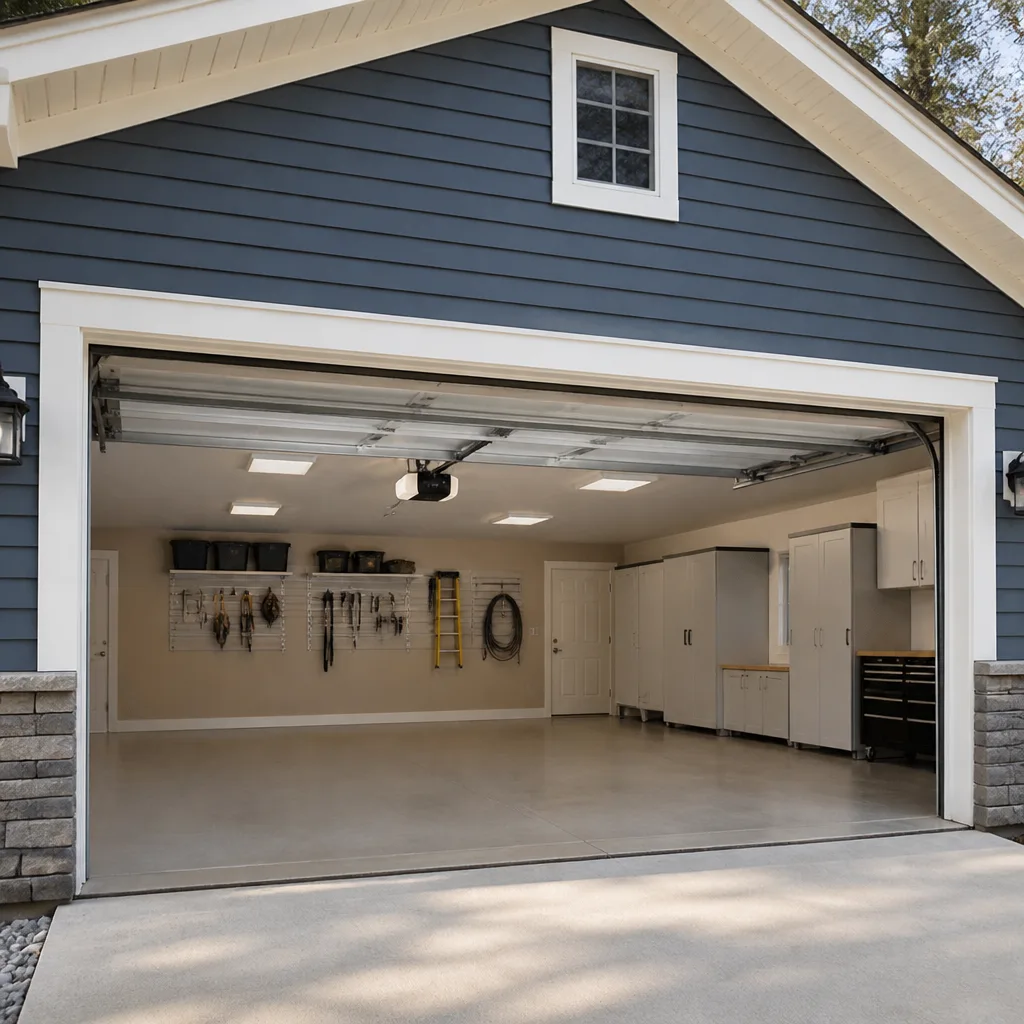 LiftMaster openers
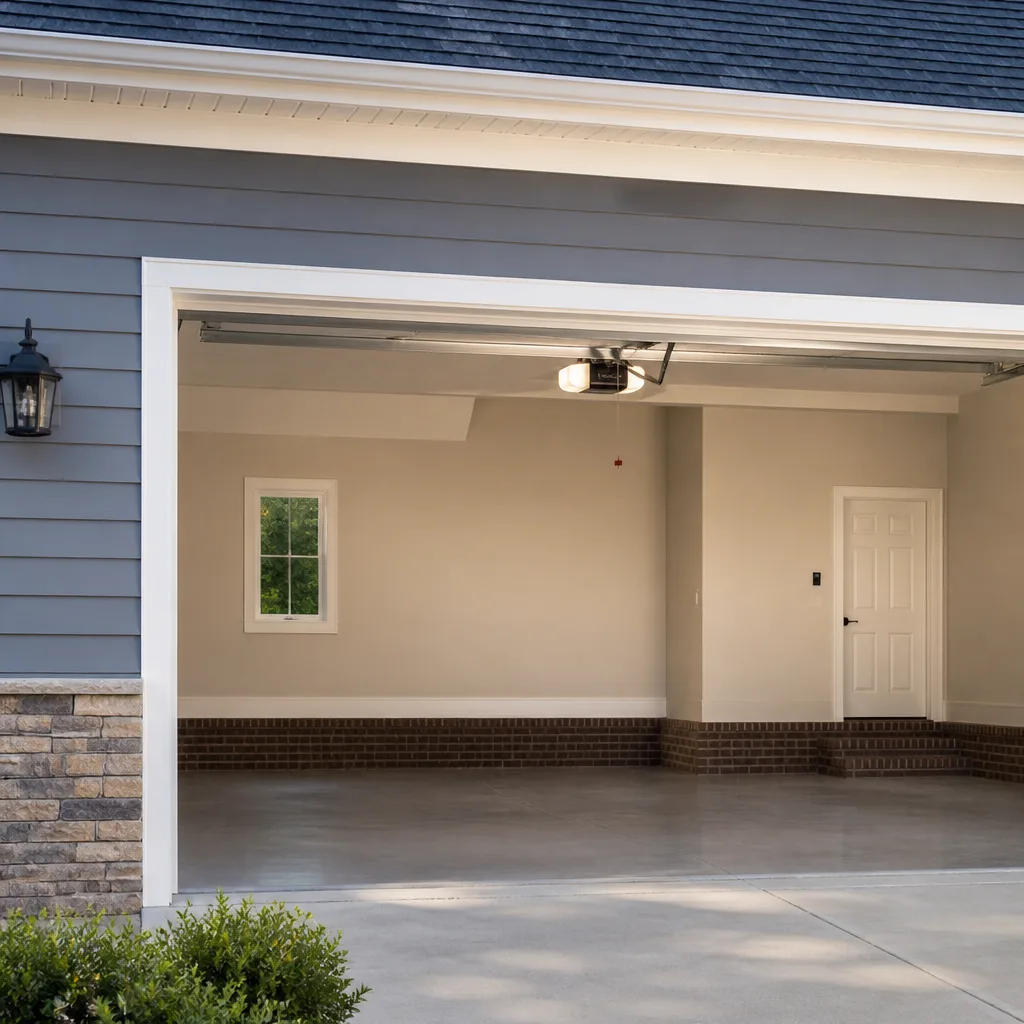 Chamberlain openers
Full 25-point door and opener safety check with every visit - springs, cables, rollers, tracks, and your LiftMaster or Chamberlain opener included
You get a price before we start. It does not change when the pro arrives.
Get your free estimateGarage Door Permits, Codes & Inspections in Norfolk, VA: What You Need to Know
A garage door replacement done without a required permit doesn’t just risk a fine. It can sit on a property record as an open violation and turn up during a title search, delaying or even killing a home sale years after the work was finished. Most homeowners in Norfolk never think about this until they’re sitting at a closing table. If you’re planning a replacement, a structural change, or you’re buying a house with a door of unknown history, you’ll want to understand when the city requires a permit, what Virginia’s wind-load rules mean for a garage door, and how to fix a permit gap that a previous owner left behind. We’re here to walk you through all of it.
Quick Answer
In Norfolk, replacing a garage door or altering the opening structure generally requires a building permit, while repairing or replacing hardware like springs, cables, or rollers is routine maintenance that typically does not. Garage doors must also satisfy the wind-load requirements Virginia adopted through the International Residential Code, and inspections verify that the door, tracks, and anchoring meet them. If a past owner skipped a required permit, it can be resolved retroactively through the city’s building department, but it’s much easier to get it right the first time.
Styles & brands we work with
- Raised-panel steel
- Carriage house
- Modern flush
- Full-view glass
- LiftMaster openers
- Chamberlain openers
Table of Contents
- When does Norfolk require a permit for garage door work?
- What is wind-load compliance and how do inspectors check it?
- What does a garage door inspection actually cover?
- What happens if work was done without a permit?
- How do HOA rules stack on top of city code?
- Who pulls the permit: you or the contractor?
- How the permit and inspection process works, step by step
- Common mistakes to avoid
- When to call a professional
- Frequently asked questions
When does Norfolk require a permit for garage door work?
Norfolk generally requires a building permit when a garage door replacement changes the door, the opening, or the load-bearing structure around it, and it typically does not require one for routine repairs. That divide matters more than most homeowners expect, because the two situations get mistaken for each other all the time.
Here’s the practical split we use in our own work. These jobs are usually classified as maintenance and don’t need a permit:
- Replacing springs, cables, or rollers
- Adjusting or replacing the opener motor or drive system
- Replacing hinges, brackets, or weather seals
- Realigning tracks and recalibrating travel limits
- Replacing a single damaged panel with a like-for-like match
These jobs usually require a permit, because they involve a new door or a change to the structure:
- Installing a brand-new garage door
- Replacing a door with a different style, size, or weight
- Widening or altering the opening
- Changing the header or reinforcing the framing
- Converting a garage into living space (a separate permit category entirely)
A garage door replacement is the most common trigger. The city wants a permit for it not to collect a filing fee but to make sure the door meets the wind-load requirement we’ll cover next, and that the anchoring is right for the door’s weight. The exact line between repair and replacement can vary with the scope of the job and the interpretation of the permit reviewer. The safest move is to call Norfolk’s building department directly and describe what you’re planning before anyone orders materials. If you’re already working with a company on garage door repair, ask them up front whether the job they’re describing will cross into permit territory.
What is wind-load compliance and how do inspectors check it?
Wind-load compliance means the door is rated and installed to withstand the wind pressure your area requires under the International Residential Code, which Virginia has adopted. Inspectors check that the installed door matches its rated wind-load design and that the anchoring and reinforcement are in place to hold it under design pressure.
This is where a lot of garage door work quietly fails inspection. A door of the same size but a different rating can change the whole picture, and the labels and documentation have to be there for the inspector to verify it. In our experience, the jobs that get tripped up aren’t the ones with bad materials. They’re the ones where nobody checked the wind-load rating against the code requirement before the door was ordered.
What inspectors typically look for during a wind-load verification:
- The door’s wind-load rating is documented on the product label or manufacturer paperwork
- The rating meets or exceeds the pressure requirement for the installed location
- The anchoring hardware and any reinforcement match the manufacturer’s wind-load instructions
- The tracks and brackets are fastened to structure, not just to veneer or sheathing
- The installation matches the approved permit drawings
Why does this matter so much in Norfolk? Because the wind-load provisions exist to keep a door in place during a serious storm, and a door that lets go doesn’t just damage itself. It opens the building envelope. If you want a door that holds up, the rating has to be right from the order. We work on the common brand lines including LiftMaster, Clopay, Raynor, and Wayne Dalton, so we’re familiar with how each one documents its ratings. That said, we’d rather you confirm the exact requirement with the city than take our word over theirs, because the code and the permit reviewer have the final say. When in doubt, pick up the phone and ask before you buy a door.
What does a garage door inspection actually cover?
A garage door inspection on a permitted job verifies that the installed door, hardware, and anchoring match the approved plans and meet the wind-load and safety requirements. It’s a check on the work, not a test of whether the door is convenient to use.
What an inspector is usually looking at:
- Door and model documentation, including the wind-load rating
- Anchoring and fasteners into structural framing
- Balance, travel, and whether the door opens and closes cleanly
- Safety features such as the reversal system and photo-eye setup
- Whether the finished installation matches what was permitted
These inspections are separate from the routine service check a technician does to keep your system running. Think of the code inspection as a legal gate on a permitted job, and the service visit as upkeep on a working door. Both matter, but they answer different questions.
The part homeowners get surprised by is scheduling. An inspection usually needs the work finished and the site ready, and a re-inspection may be required if something isn’t right the first time. Neither is a disaster, but both add time, so ask the contractor who’s handling the permit to walk you through the inspection sequence before the job starts. If the door has already been installed and you’re not sure whether it was inspected, that’s worth confirming with the city before you file the paperwork away.
What happens if work was done without a permit?
Unpermitted garage door work can become a problem at resale, because a title search or a buyer’s inspection can disclose that work was done without a permit or that an open violation was recorded. How that plays out depends on the city and the specific job, but the fix is always the same first step: call the city and ask.
Here’s what typically happens when a homeowner discovers a permit gap:
- Contact Norfolk’s building department and describe the work that exists
- Ask whether the work requires a permit and what records they show for the property
- Find out whether a retroactive permit is available for this type of job
- If it is, be prepared for an inspection that may require corrections to the work
- Get the completed permit and inspection record into the property file before any sale
The honest advice: discovery is better than denial. A gap that surfaces during a sale because a buyer’s inspector flagged it can stall a closing at the worst possible moment. Handled early, it’s usually a manageable administrative task. Handled late, it becomes everyone’s problem at once.
We’ve seen this pattern enough to know that the fastest resolution comes from picking up the phone before you list, not after you’ve accepted an offer. A real estate attorney can also help you understand your obligations if a seller didn’t disclose a permit issue. None of that is a reason to panic. It’s a reason to check. The worst outcome is a buyer walking away over a garage door nobody bothered to ask about. If you’ve bought a home in Norfolk and you’re not sure about the door’s history, we can inspect it and tell you what we see, and we’ll point you to the city for anything that’s a legal question rather than a mechanical one.
How do HOA rules stack on top of city code?
HOA rules sit on top of city code, which means that even a fully permitted garage door can violate a community’s architectural standards. City approval doesn’t override HOA covenants, and HOA approval doesn’t replace a building permit. You often need both, and they follow different calendars.
What HOA requirements commonly cover:
- Approved door styles, panel patterns, and color palettes
- Windowed versus solid doors on street-facing elevations
- Whether the door must match the garage door of adjacent homes
- Required architectural review submissions and approval timelines
- Restrictions on visible hardware or modified openings
The rhythm is worth knowing. City permits are about structural and safety compliance. HOA architectural review is about aesthetics and community standards. Getting HOA approval before you order a door is cheaper than getting a rejection after, because the door is already sitting in a warehouse and the clock is running. Same goes for a color you fell in love with that your community doesn’t allow.
If you live in a Norfolk neighborhood with an active association, ask for the architectural request form early in the process and read the section on garage doors specifically. Some communities lump garage doors into a general “exterior alteration” category, and the details are easy to miss. If you’re not sure whether your neighborhood has an HOA, your deed or settlement paperwork will say so, and the city can’t tell you. Handle the HOA review and the permit as two separate timelines running in parallel, and neither will surprise you.
Who pulls the permit: you or the contractor?
In Virginia, a homeowner can often pull a permit for work on their own primary residence, while a licensed contractor can pull it for work they perform. Which is smoother depends on the scope of the job and how the locality handles owner-builder permits.
The two paths look like this:
- Homeowner permit: you file the application, you own the responsibility for compliance, inspections, and any corrections. Fine for small owner-managed work if the city allows it.
- Contractor permit: the licensed contractor files and manages the permit, carries the inspection responsibility during the job, and coordinates any corrections. This is the more common route for a full replacement.
The reason it matters is liability and follow-through. When you pull the permit yourself, you’re the point of contact for the inspector and you’re on the hook for corrections. When the contractor pulls it, the process stays inside the job and you don’t have to coordinate a reinspection while the door is half-installed.
Our advice: ask, in writing, who is pulling the permit before work starts. It’s a fair question, and any reputable company will answer it clearly. We can coordinate the permit process with the work we perform so the job isn’t stalled waiting on paperwork. Whatever you decide, get the permit holder’s name on the contract so there’s no confusion if something goes wrong later. If the answer is fuzzy, that’s your signal to slow down and clarify before signing.
How the permit and inspection process works, step by step
The permit process for a garage door replacement in Norfolk follows a fairly predictable arc: confirm the requirement, submit the application, get approved, install to plan, pass inspection. Most of the stress people feel comes from skipping the first step.
- Confirm the requirement. Call Norfolk’s building department and describe the work. Ask specifically whether your job requires a permit, and note the name of who told you what.
- Confirm HOA status. Ask your association for its architectural review requirements and submit the request early if one exists.
- Get the door spec correct. Make sure the door you’re ordering meets the required wind-load rating. Don’t order until this is confirmed.
- Submit the permit application. You or the contractor files with the city. Include the door specifications and any drawings the reviewer requests.
- Get approval before installing. Wait for the permit. Installing first and asking later is the source of most of the pain we’ve described on this page.
- Install to plan. The finished door, anchoring, and hardware must match the approved permit.
- Schedule the inspection. When the work is done, request the inspection. If corrections are needed, complete them and request a re-inspection.
- Close out the permit. Keep the inspection record with your property documents. It’s your proof if anyone asks later.
Two things worth flagging. First, the timeline depends on the city’s current capacity, so plan for the permit to take longer than you might hope. Second, the process changes with the scope of the job: a like-for-like panel replacement isn’t the same job as a structural change to the opening. If you’re not sure what your situation is, ask us and we’ll help you figure out which category you’re in before any paperwork gets filed. This is exactly why we encourage the phone call early. For a full installation, we’re happy to help you line up the steps and the paperwork. The rest of the door’s life is mechanical, and that’s where garage door opener repair usually enters the picture later.
See the difference
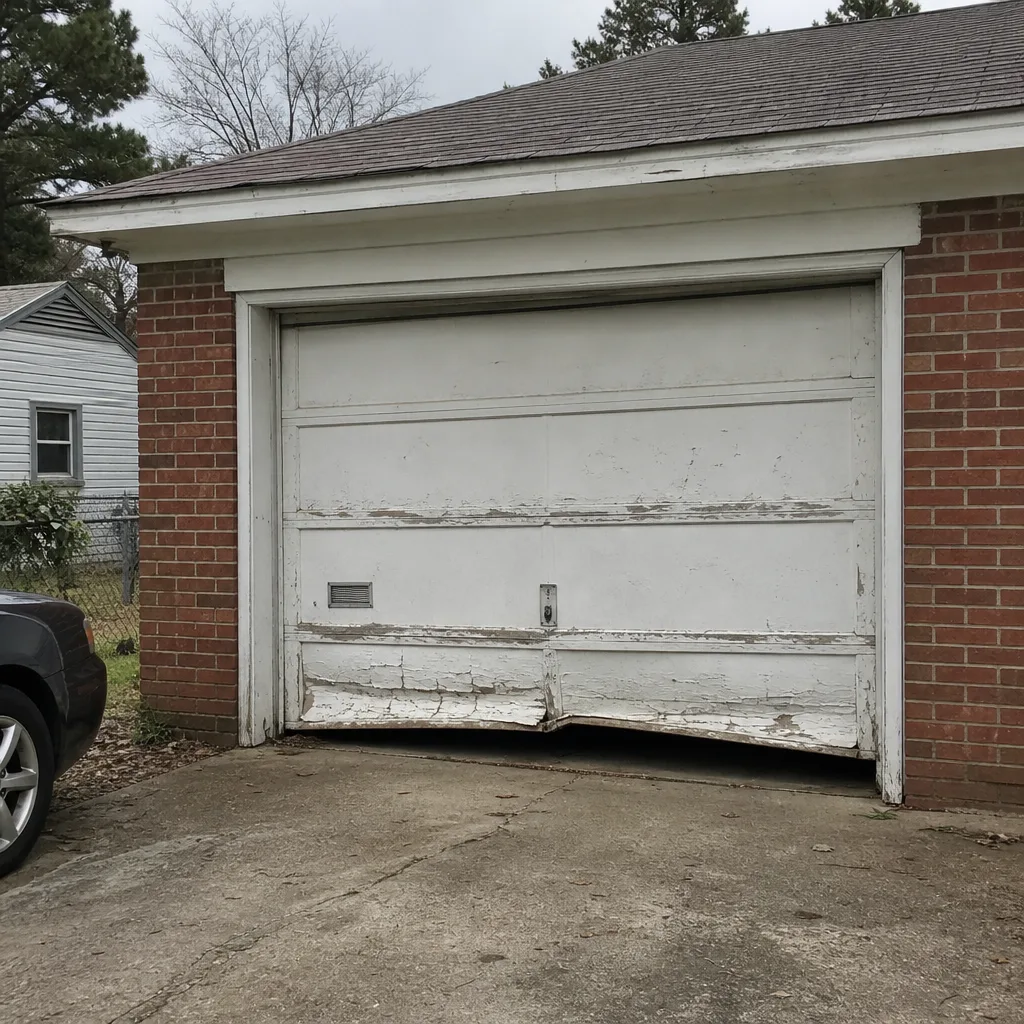 Before
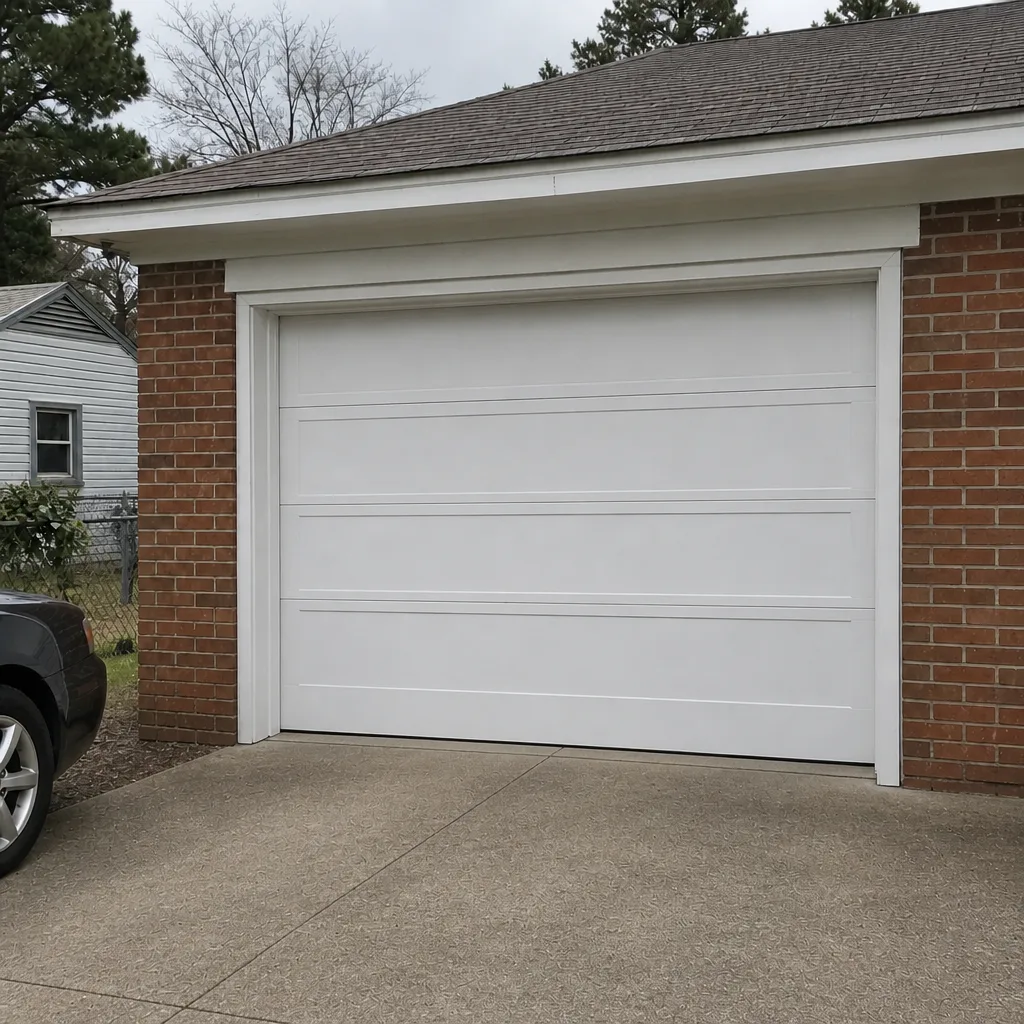 After
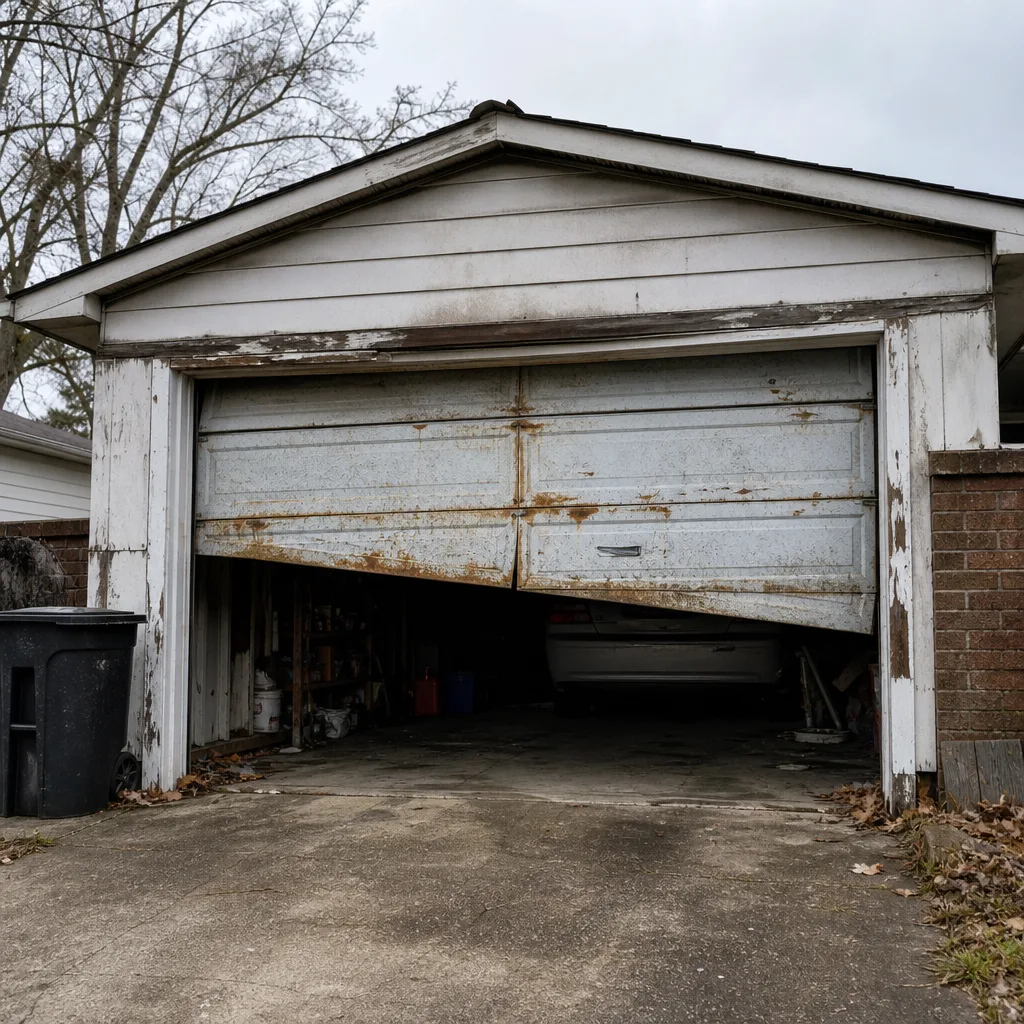 Before
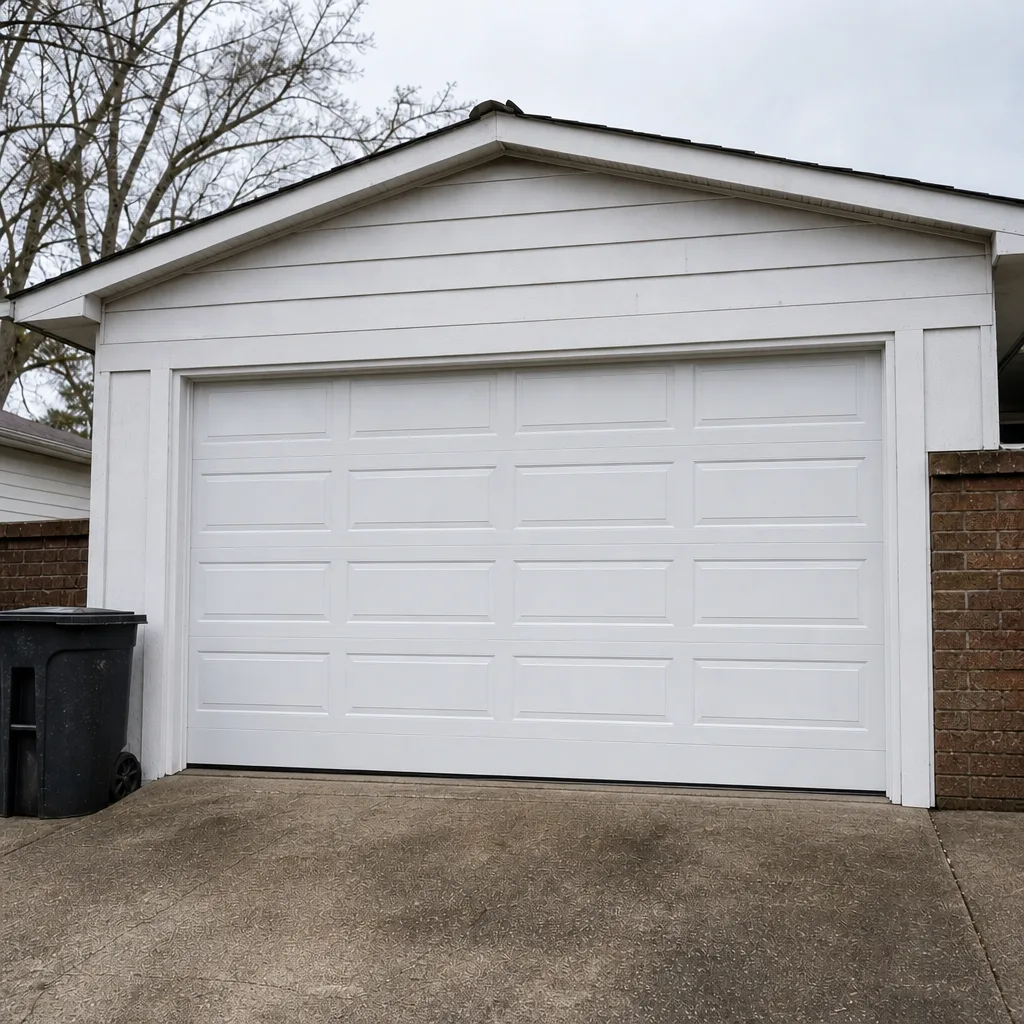 After
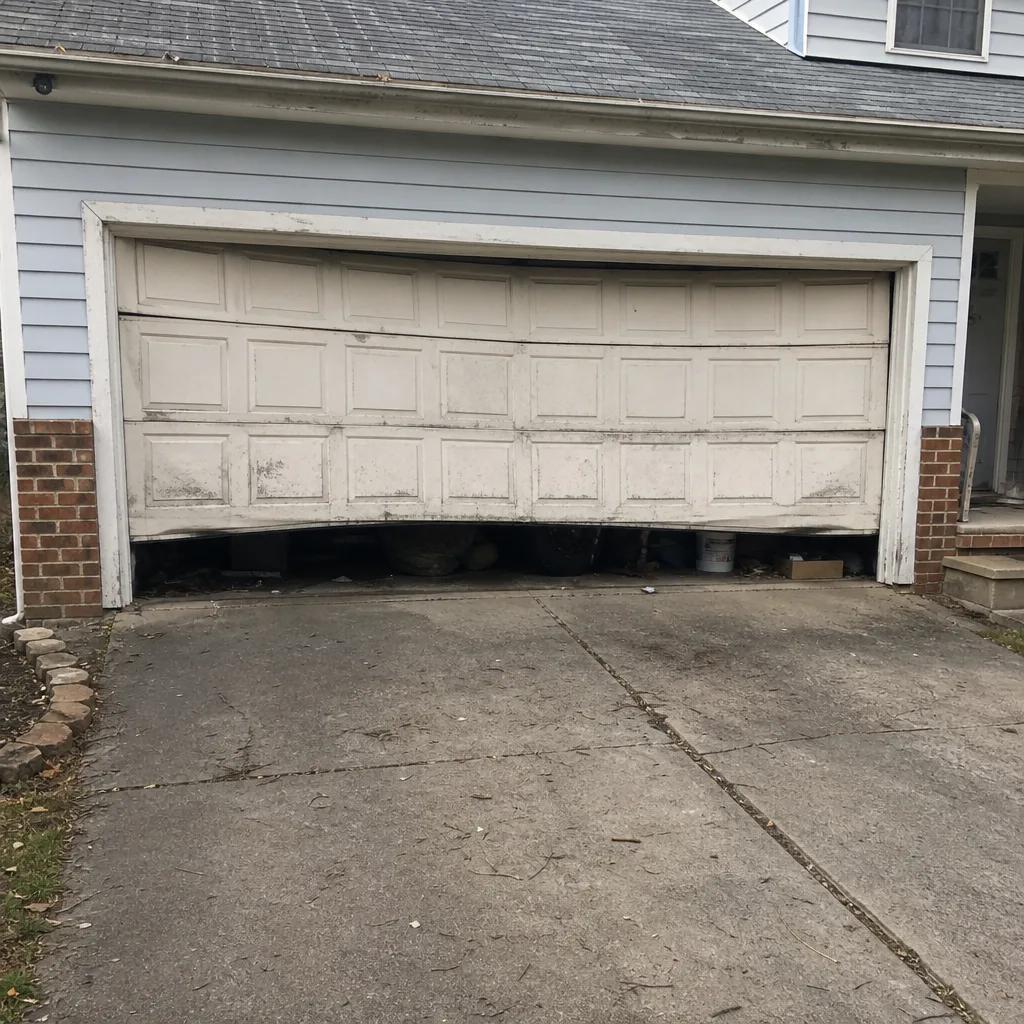 Before
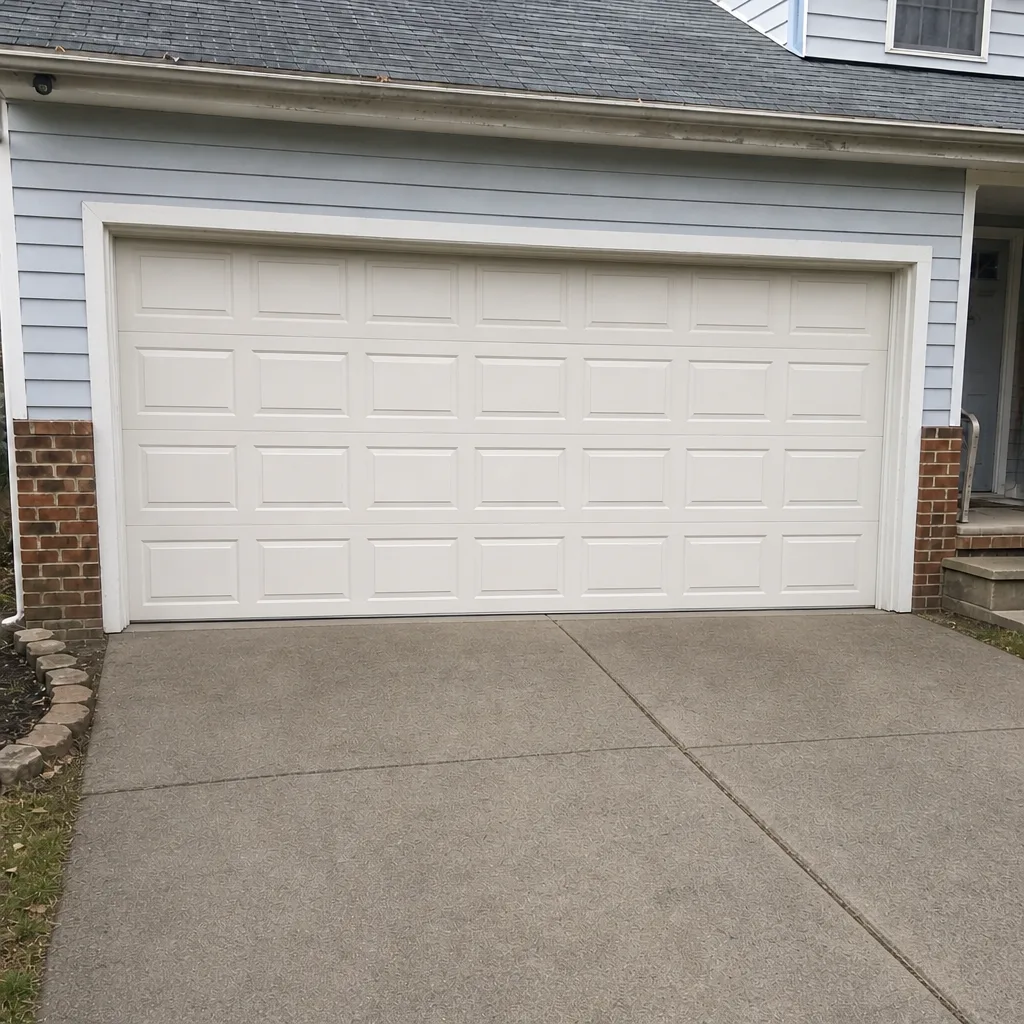 After
Common Mistakes to Avoid
- Assuming a replacement is just “maintenance.” A new door is not the same as a new spring. The city cares about the door, the anchoring, and how it holds under wind-load, and treating a replacement like a tune-up is the most common way homeowners end up with an unpermitted install.
- Ordering the door before confirming the wind-load rating. A door of the right size and the wrong rating can fail inspection. Confirm before you order, not after the door is on the truck.
- Forgetting the HOA. City approval and HOA approval are two separate processes, and getting one doesn’t get you the other. Submit the architectural request before you commit to a style or color.
- Installing first and permitting afterward. Retroactive permits exist, but they’re not guaranteed, and they can require corrections that cost more than doing the job right the first time.
- Not asking who pulls the permit. A clear answer on the front end saves confusion during the inspection. If nobody put it in writing, nobody owns it if something goes wrong.
- Ignoring a permit gap until you’re under contract. If you’re selling, check your property records before the listing goes live. A gap that drops during a title search can delay a closing.
- Mistaking an inspection for a service call. The city inspection checks compliance, not the day-to-day smooth operation of the door. Keep your routine maintenance separate and don’t skip it just because you passed the city inspection.
When to Call a Professional
Call a professional when the work involves a torsion spring, cable, or opener drive, because those parts carry stored energy and cause injuries every year when people try to handle them without training. You should also call when the job is a full replacement and someone has to help you determine whether it’s a permitted scope, when a previous installation looks questionable and you need to know what you’re dealing with before a sale, or when you’re buying a Norfolk home and the door’s history is unknown. Older doors from the common brand lines – a Wayne Dalton or a Craftsman, for example – are worth inspecting because parts availability and safety features vary widely. Juniper Garage Door Repair offers free estimates in Norfolk. Call (877) 384-9329. We answer 24/7, and fast dispatch runs 7am to 7pm, Sunday through Friday. One note: we don’t work Saturdays. If your door fails on a Saturday, call and we’ll book you for Sunday.
Frequently Asked Questions
In most cases, yes. Replacing a garage door in Norfolk generally requires a building permit because the door and its anchoring must meet the wind-load requirement adopted through the International Residential Code, while routine repairs like springs or rollers typically don’t. Confirm your exact job with the city’s building department before ordering materials. Call (877) 384-9329 for an exact quote on the work itself – estimates are free.
No. Spring replacement is routine maintenance and typically doesn’t require a permit. But a torsion spring stores enough energy to cause serious injury if it’s handled wrong, so this is a job for a trained technician, not a weekend project. We work on the common opener brands including LiftMaster and Chamberlain, so the drive system gets checked at the same time. Call (877) 384-9329 – estimates are free.
It can delay or stall a sale if a title search or buyer’s inspection surfaces an unpermitted install or an open violation. The resolution is usually to contact Norfolk’s building department and work through a retroactive permit, which may involve an inspection and corrections. Getting ahead of it before you list is far easier than handling it under a contract deadline. Call (877) 384-9329 if you need an inspection of the door itself before you list.
In Virginia, a homeowner can often pull a permit for work on their own primary residence, and a licensed contractor can pull one for work they perform. The smoother path for a full replacement is usually the contractor, because they manage inspections and any corrections during the job. Whatever you choose, get the permit holder’s name written into the contract. Call (877) 384-9329 to talk through the scope.
Wind-load compliance means your door is rated and installed to withstand the wind pressure the International Residential Code requires for your area, and inspectors verify it against the manufacturer’s documentation and anchoring. That’s why the rating has to be right before a door is ordered, not after. A door that meets the size requirement but not the rating can fail inspection and cost you the whole job. Call (877) 384-9329 for an exact quote on a compliant install – estimates are free.
They often do. City code governs structural and safety compliance, and HOA covenants govern style, color, and appearance, so a fully permitted door can still violate your community’s rules. You usually need approval from both, and they run on separate timelines. Submit the HOA architectural request early so a style decision doesn’t hold up the permit. For a free estimate on the work itself, call (877) 384-9329.
The Bottom Line
Permits and inspections feel bureaucratic until they’re the thing that holds up a sale. In Norfolk, a garage door replacement usually requires a permit, routine repair usually doesn’t, wind-load compliance is the reason inspectors care, and HOA rules stack right on top of city code. Handle the paperwork before you order the door, not after. If a previous owner skipped the step, call the city and resolve it retroactively while you have time on your side. The work itself – springs, openers, panels, installation – is what we do every day, whether it’s on the Norfolk side or anywhere else your door happens to hang. Our technicians have up to 13 years of experience, and we work on your brand, not just the ones we’d like to sell you.
If you’re planning a repair or replacement and want a straight diagnosis before the paperwork starts, call Juniper Garage Door Repair at (877) 384-9329 for a free estimate. We answer 24/7, and fast dispatch runs 7am to 7pm, Sunday through Friday. We don’t work Saturdays. It’s your home, your door, and your decision – we’d just like to help you get it right the first time. Our team here at Juniper Garage Door Repair is glad to answer any question on this page.
Written by the team at Juniper Garage Door Repair.