
Last updated November 15, 2026
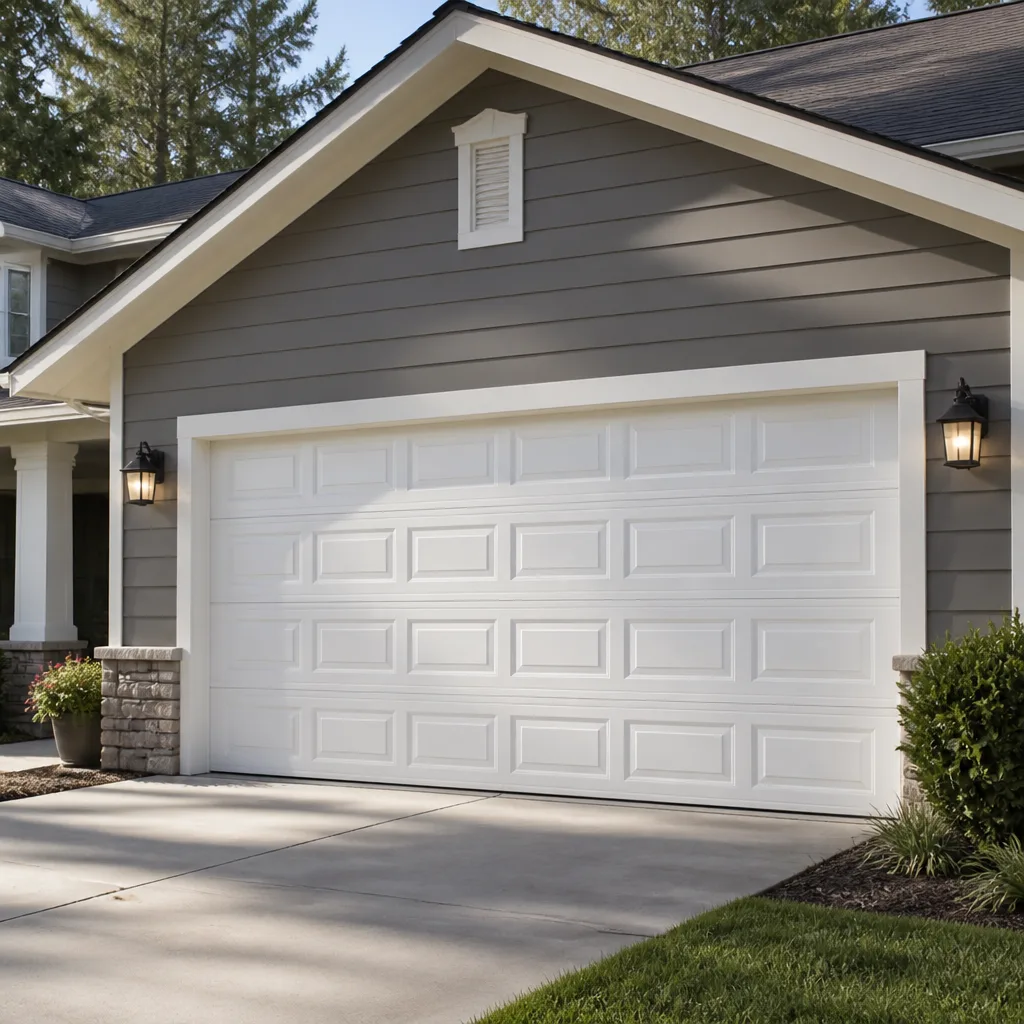 Raised-panel steel
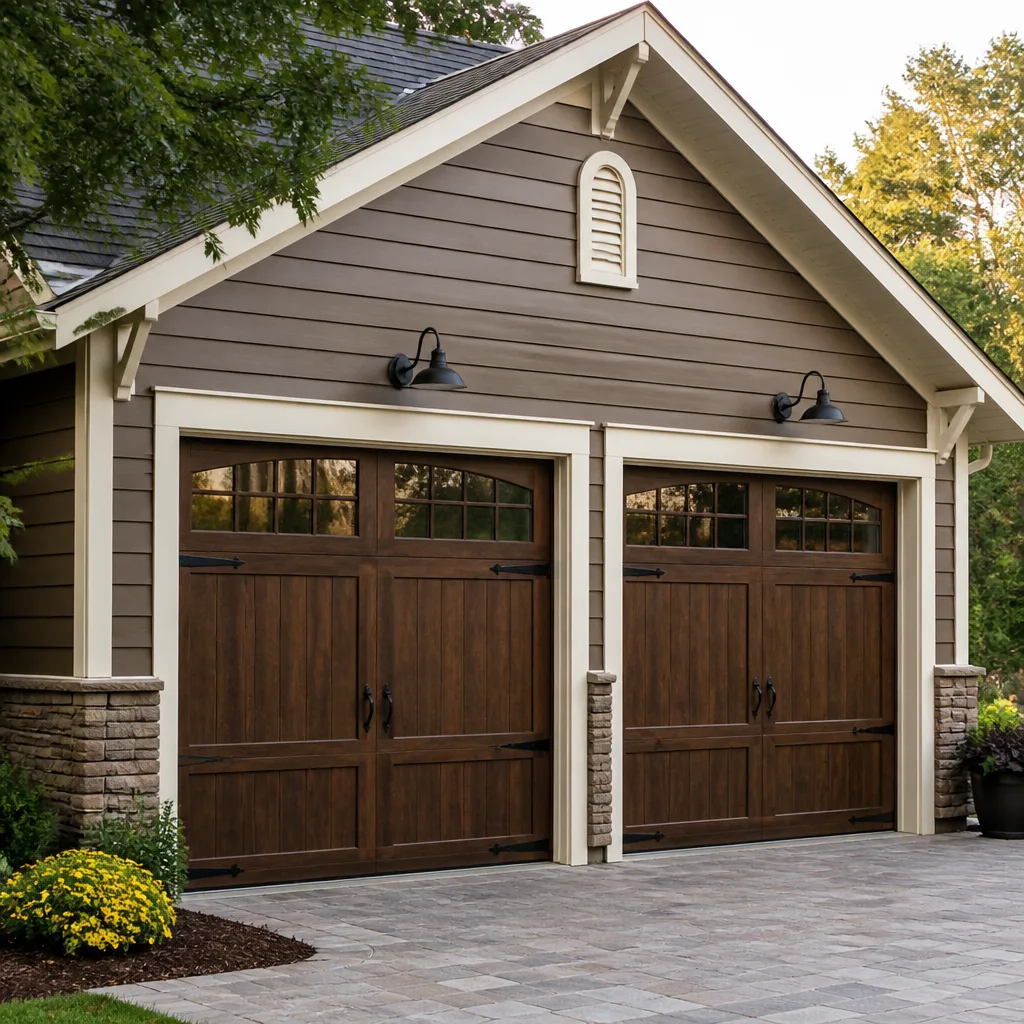 Carriage house
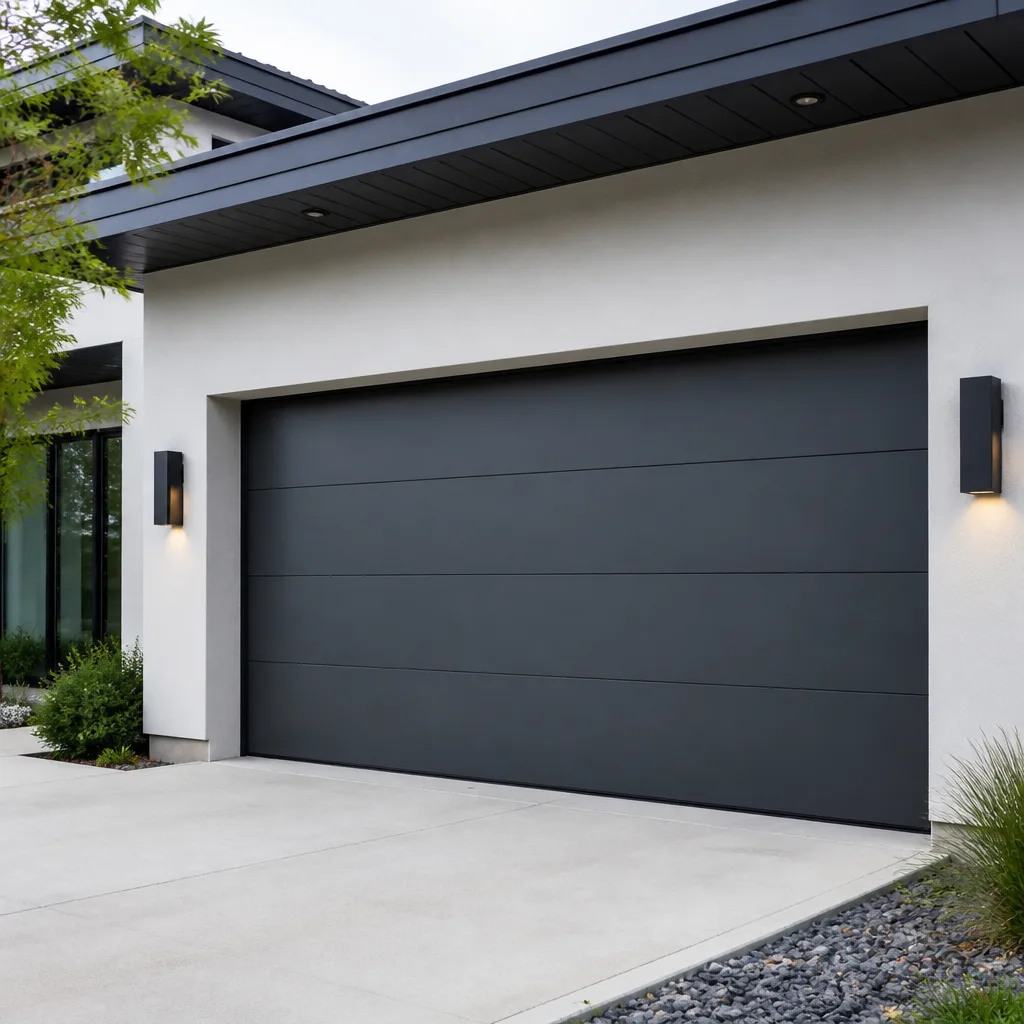 Modern flush
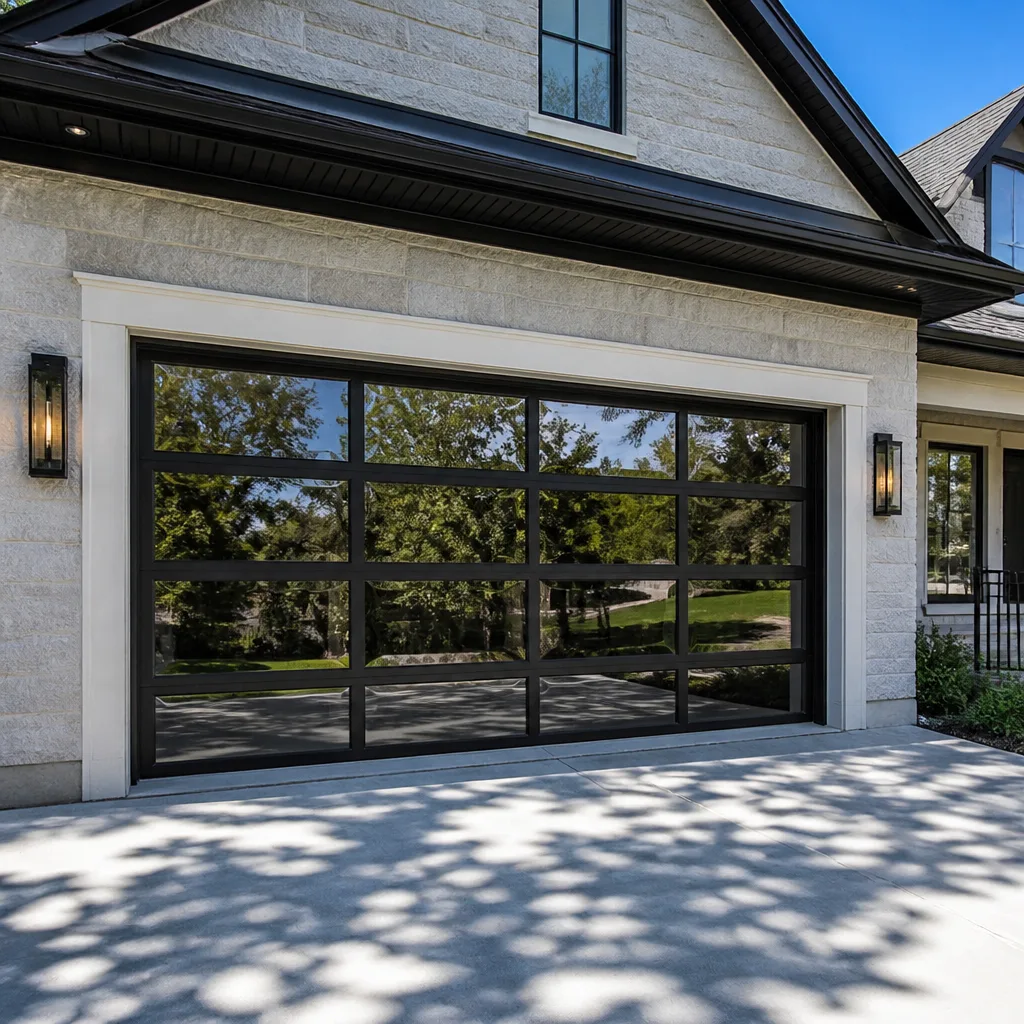 Full-view glass
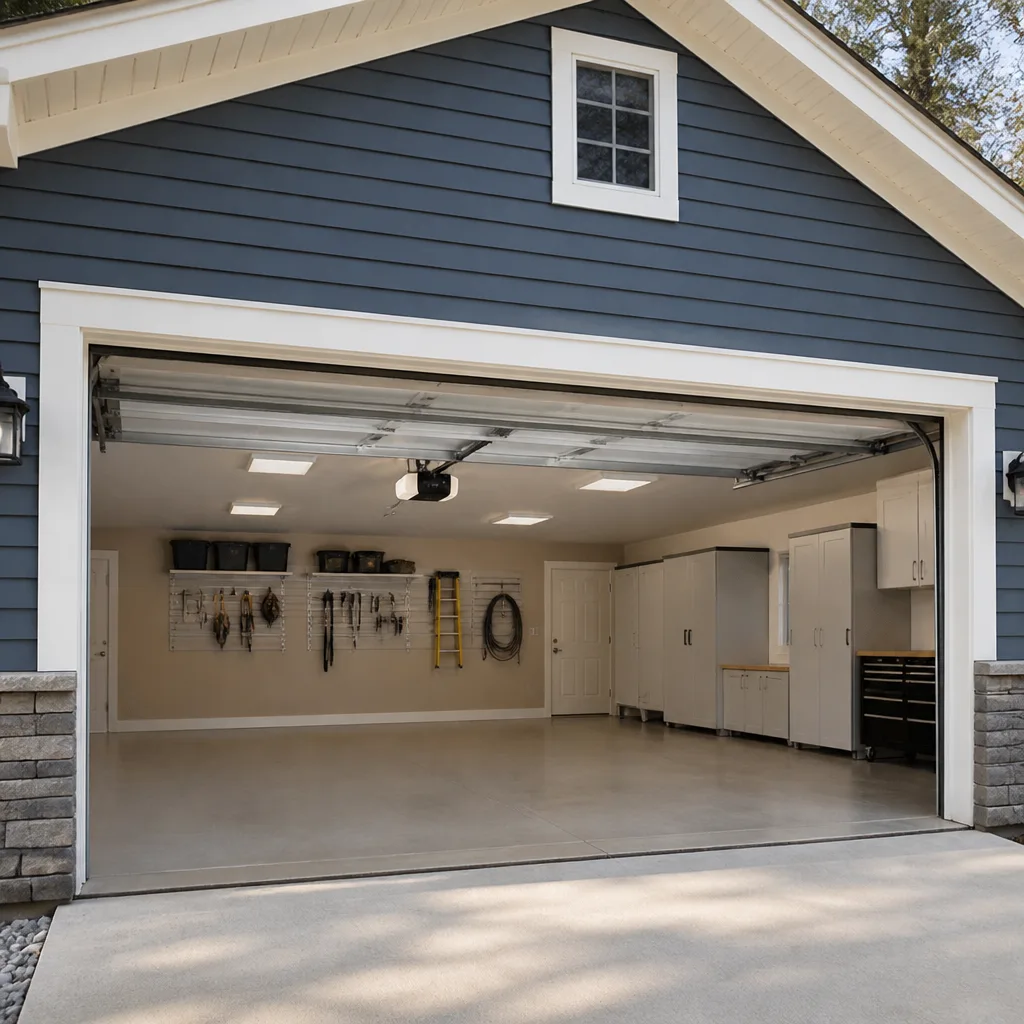 LiftMaster openers
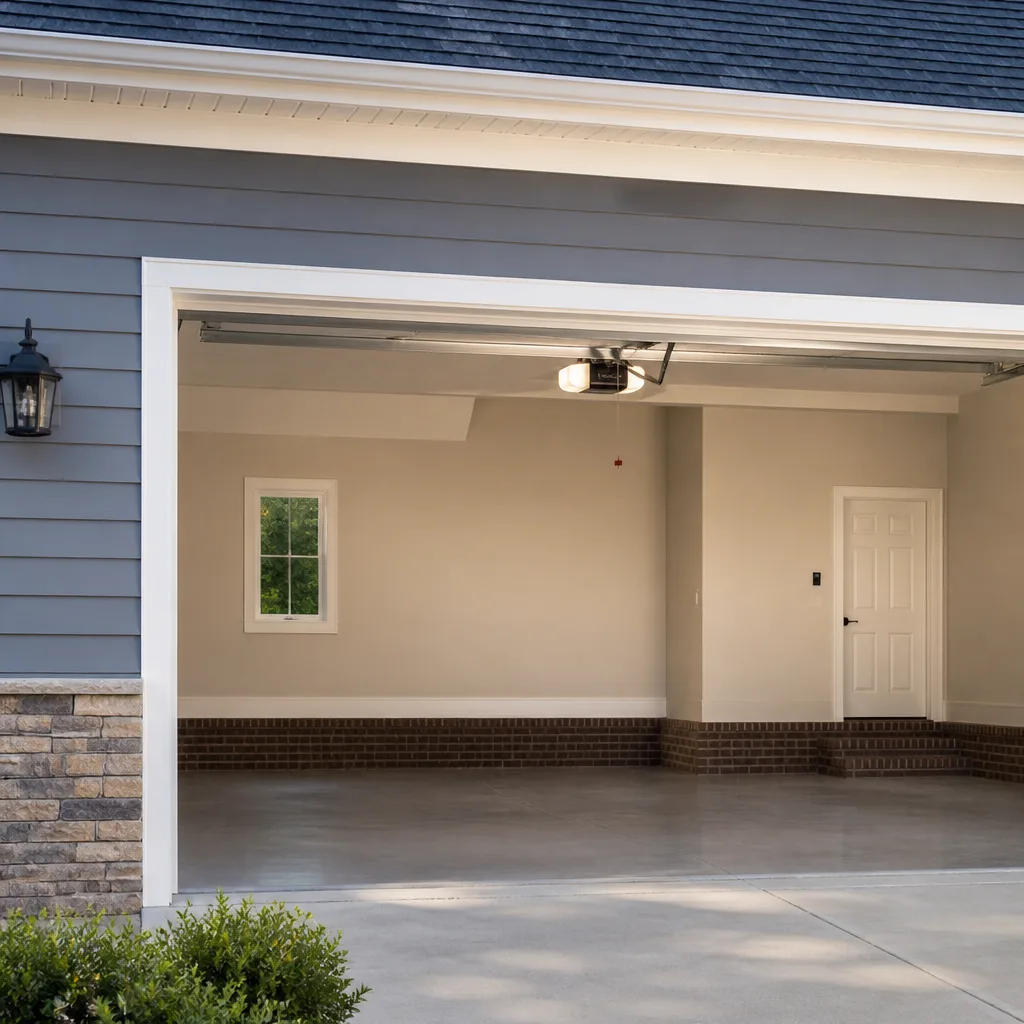 Chamberlain openers
Full 25-point door and opener safety check with every visit - springs, cables, rollers, tracks, and your LiftMaster or Chamberlain opener included
You get a price before we start. It does not change when the pro arrives.
Get your free estimateGarage Door Repair Troubleshooting in Norfolk: Common Problems and How to Fix Them
Most garage door problems start with a wrong guess, not a broken part. The single biggest cause of “new” problems on doors that were working fine is the wrong lubricant, applied to the wrong parts: people spray a sticky household oil or silicone on the tracks, the door slows down, they spray more, and now they’ve got a mess that attracts grit and a door that sticks. Knowing which of five root causes you’re actually dealing with before you touch anything is what keeps a small fix small. This guide teaches you to diagnose first, then act, with notes specific to Norfolk homes.
Quick Answer
Most garage door problems in Norfolk fall into five buckets: track and roller wear, spring or cable failure, opener or logic board trouble, safety sensor misalignment, and balance or alignment issues. You can safely diagnose and fix a stuck door, a misaligned sensor, or a squeaky roller yourself. Springs, cables, and opener drive parts need a trained technician. When in doubt, the diagnosis is free.
Styles & brands we work with
- Raised-panel steel
- Carriage house
- Modern flush
- Full-view glass
- LiftMaster openers
- Chamberlain openers
Table of Contents
- The Five Root Causes Behind Almost Every Garage Door Problem
- The Symptom-to-Cause Decision Tree
- The Two Safe DIY Fixes (And the Three Things You Should Never Touch)
- Door, Opener, or Sensors? Diagnosing the Source Before You Call
- What “The Door Works Sometimes” Actually Means
- How Norfolk Humidity Affects Specific Failure Points
- Brand and Model Differences That Change the Diagnosis
- Repair or Replace? How to Decide
The Five Root Causes Behind Almost Every Garage Door Problem
We’ve worked on every configuration of residential garage door, and nearly every call traces back to one of five root causes. Naming the cause is 80% of the fix. The other 20% is knowing which parts you can safely touch.
- Track and roller wear. Rollers wear flat spots, tracks get bent or pushed out of alignment, and the door grinds or binds. This is the most common problem we see on doors older than ten years, and it’s usually the least expensive to correct.
- Spring or cable failure. Torsion springs wear out over thousands of cycles. A snapped spring makes the door extremely heavy and dangerous. Cables can fray, come off the drum, or snap. Both need a trained technician who knows the load and the safe procedure.
- Opener and electronics. The motor may be fine while the logic board, capacitor, or limit switch has failed. Openers age too, and a LiftMaster or Chamberlain unit that’s ten or fifteen years old may be telling you its electronics are done.
- Safety sensor misalignment. The two sensors at the bottom of the track need to see each other. A bumped sensor, a spider web, or a bent bracket breaks the beam and the door won’t close. This is the number-one “my door won’t close” call.
- Balance and alignment. A door that’s out of balance, off its level, or binding on one side is stressing every other part on the system. Left alone, imbalance turns into a burned-out opener motor.
If you can name the cause before you call, you’ve already saved yourself a diagnostic guess and possibly a return visit. We diagnose the door, the opener, and the sensors as one system. The opener motor doesn’t fail in isolation; it usually fails because something else made it work too hard. Our garage door repair process starts with the parts you can’t see.
The Symptom-to-Cause Decision Tree
Your door is telling you exactly what’s wrong. The noise, the speed, and the point where it stops are all clues. Run this decision tree before you call anyone.
What is the door actually doing?
- Grinding or scraping as it moves: Most often worn rollers or a bent track. Check the vertical tracks for visible kinks or debris.
- Loud bang, then door won’t lift: Almost certainly a broken torsion spring. Do not attempt to lift the door manually. Call a technician.
- Door goes up a few inches, then reverses: Either the safety sensors are blocked, or the travel limit is set too short. Check the sensors first.
- Door slams shut at the bottom: The down-limit is set wrong, or the door is out of balance. This is a safety issue. Address it before using the door again.
- Door runs but the chain or belt doesn’t move: The trolley is disengaged, or the opener’s drive gear is stripped. LiftMaster and Chamberlain openers have a manual release cord; check whether it’s been pulled.
- Clicking from the opener, motor doesn’t start: Could be a failed capacitor, logic board, or a broken gear inside the opener. This is usually an opener issue rather than a door issue, and it’s the sort of thing our garage door opener repair work covers.
- Door lifts halfway then stops: Usually the up-limit switch or a spring that’s lost tension. If the door feels heavy when you lift it manually (with the opener disengaged), it’s the spring.
What does the noise tell you?
A single loud bang is a spring. A rhythmic thumping is a flat-spotted roller or a bent hinge. A high-pitched squeal that’s new is usually metal-on-metal friction from dry rollers. A low groan that gets worse in humidity points to the same friction issue in a Norfolk garage where the air stays damp. A repeating click, click, click at the top of travel points to a limit switch. If the noise is coming from the opener head and not the door, look at the drive gear and chain tension first.
The Two Safe DIY Fixes (And the Three Things You Should Never Touch)
We want our customers to know exactly what they can safely handle and what they can’t. There’s no shame in a professional repair, and there’s no shame in fixing a stuck sensor yourself. The line between the two is clear and worth committing to memory.
The two safe fixes
- Safety sensor alignment. The two little sensors at the bottom of the track have LED lights that tell you whether they see each other. If they don’t, check the brackets, wipe off dirt or cobwebs, and adjust until both LEDs are steady. A small level helps, but the LEDs are the real signal. If the LEDs are blinking or off on both sides, one of the sensors has likely failed or there’s a wiring fault.
- Cleaning and lubrication of the right parts. Wipe the tracks down with a clean rag, then apply a proper garage door lubricant (not WD-40, not household oil, not silicone) to the hinges, rollers, and torsion spring coil only. Not on the tracks. Never on the tracks. Track lubricant attracts dust and grit and turns into a sticky paste that makes the door slower, not faster. If you’re not sure which lubricant is the right one, ask before you spray.
The three things you should never touch
- Torsion springs and cables. A torsion spring under load stores enough energy to seriously injure or kill. Releasing, adjusting, or replacing one is not a homeowner task. A snapped cable can whip. Both need a trained technician with the right tools and the right respect for the load.
- The opener’s internal drive. If you’re opening the case of a Raynor opener or a Genie unit to look at the gear, capacitor, or logic board, stop. Capacitors hold a charge. The logic board is not meant to be serviced by a homeowner. This is exactly the kind of repair a specialist handles.
- The door’s balance adjustment or hinges under tension. Hinges, bottom brackets, and the door panel itself are all under spring tension. Losing a finger to a bottom bracket is a thing that happens. It doesn’t have to.
That’s the line. Two things you can safely fix, three you shouldn’t. If you’re not sure which category you’re in, we’re happy to help you figure it out before you pick up a tool.
Door, Opener, or Sensors? Diagnosing the Source Before You Call
Before you call anyone, take two minutes to figure out which of the three main components is failing. This single step saves time, money, and a return visit. Here’s how to test each.
Isolate the door
Pull the manual release cord on the opener trolley. That disconnects the door from the opener. Now lift the door by hand.
- If the door lifts smoothly with light effort, the door and its springs are fine.
- If the door is heavy, binds, or won’t stay up, the problem is in the door: springs, cables, or balance.
- If the door lifts but wobbles or scrapes on one side, the track or rollers are the culprit.
Isolate the opener
With the door disconnected, press the opener button on the wall.
- If the trolley moves along the rail but the door doesn’t, the opener is working and the door is the problem.
- If the opener clicks but the trolley doesn’t move, or if the trolley moves and stops immediately, the opener is the problem.
- If the opener runs in only one direction, suspect a limit switch or a logic board fault.
Isolate the sensors
With the door disconnected and the sensors undisturbed, wave an object in front of one sensor. The other sensor’s LED should change state. If not, the sensor pair is misaligned, dirty, or one of the two is dead. On most LiftMaster and Chamberlain installs, the sending sensor has a solid LED and the receiving sensor has an amber one; if either is blinking, you’ve found your problem.
Nine times out of ten, a Norfolk homeowner can identify the category in about five minutes with this sequence. Knowing whether the problem is the door or the opener before you call is the difference between a fast fix and a technician visit that starts with the same five-minute test. We make the test in our own diagnosis because it directs the visit to the right parts before we arrive.
What “The Door Works Sometimes” Actually Means
An intermittent door is the most urgent type of garage door problem, not the least. A door that fails half the time is almost always a sign of a component that’s on the edge, and the failures will get closer together, not farther apart. The great danger of an intermittent problem is treating it as a fluke and waiting it out.
What causes an intermittent problem?
- A failing capacitor or logic board. The opener works when it’s cool and fails when it’s warmed up, or works on one press and not the next. This is the classic liftmaster or chamberlain symptom of an aging logic board.
- A loose wire or bad connection at the sensor or wall button. Vibration, temperature swing, or a slightly loose terminal can break and reconnect the circuit. Norfolk garages swing between humid and cool in a single day, and that swing is enough to move a marginal connection.
- A spring that’s lost tension on one side. The door may lift on a warm morning and stall on a cold one. Matching springs are matched for a reason; once they drift out of balance, the door’s behavior gets unpredictable.
- A track that’s out of alignment. A slight bind at one point on the track can catch one cycle in five and miss the rest. The door stops, you reset it, and it works, until the next bind.
- A safety sensor with a marginal alignment. Sun angle, a bumped bracket, or debris can break the beam on some presses and not others.
Why intermittent problems get worse, not better
Every part that’s on the edge is wearing faster than a healthy part. The opener motor that struggles to lift an out-of-balance door draws more current and runs hotter. The gear that’s almost stripped loses more teeth with each cycle. The capacitor that’s failing works for a few more cycles, then doesn’t. Intermittent problems don’t stay at 50% likelihood of failure. They progress to 100%.
If your door works “most of the time,” that’s a signal to get it looked at now, not when it stops entirely. The diagnosis is far easier when the door is still running. When it fails completely, the technician is working with less information and usually with more broken parts.
How Norfolk Humidity Affects Specific Failure Points
Norfolk’s climate is a real factor in how garage doors age here, and it’s one most troubleshooting guides skip. Hampton Roads sits in a humid subtropical zone, with summer dew points that stay high for months. Humidity in a garage is different from humidity in a house: garages are semi-ventilated, so they take on the outdoor air while still capturing the heat from the house side. The result is that metal parts in a Norfolk garage cycle between wet and dry far more often than parts in a drier climate.
What that actually does to a garage door
- Steel tracks and hinges rust faster here. Surface rust on a roller or a hinge isn’t cosmetic; it’s friction. A slightly rusted roller wears faster, and a rusting hinge pinches. The fix is inspection and appropriate lubrication, not a bigger motor.
- Spring corrosion is a real issue. Torsion springs in a damp garage can take on surface rust that starts at the wire’s stress points. That rust is a reason springs in Norfolk sometimes fail earlier than the manufacturer’s rated cycle count would suggest.
- Wood and composite doors absorb moisture. A wood panel door that swells on its edges can bind in its tracks, especially on the bottom section. If your door sticks in July and works in October, that’s the door telling you about moisture, not about a failing opener.
- Electrical connections suffer. A humid garage is not kind to wire nuts, terminal blocks, and sensor connectors. The intermittent issue you can’t reproduce may be a marginal connection that only misbehaves in the damp.
- The bottom seal deteriorates faster. The rubber weather seal at the bottom of the door can dry-crack and then stay wet against the floor. A degraded seal lets water in and makes the floor under the door damp, which feeds the rust cycle.
None of this means a garage door in Norfolk is doomed. It means the maintenance schedule that works in Arizona doesn’t work here. In our experience, a Norfolk door benefits from an inspection and a lubrication pass once a season, and from looking at the metal parts with an eye for rust, not just at the motor.
Brand and Model Differences That Change the Diagnosis
The physical door is mostly the same from brand to brand. The opener and the electronics are not. A diagnosis that works on a Genie often doesn’t translate to a LiftMaster, and a wall button that tests fine on a Chamberlain can confuse a Raynor or Craftsman install. This is why a single-brand installer often guesses when they see another manufacturer’s equipment.
Where the brands differ most in practice
- Openers: LiftMaster and Chamberlain. Both use MyQ-style connectivity on their newer units and share many internal components because they share a parent company. The logic boards in the LiftMaster and Chamberlain units behave similarly, and the diagnostic sequence for a dead opener is largely the same across the two. Older models use traveler wires for their wall controls; newer ones can be serial-wired. Which one you have changes the diagnostic test.
- Openers: Genie. Genie openers use their own force and travel adjustment style, and their diagnostic LEDs are different from the LiftMaster and Chamberlain families. A symptom that means “bad logic board” on a LiftMaster can mean “bad motor capacitor” on a Genie. Reading the LED codes correctly matters.
- Doors: Clopay, Amarr, and Wayne Dalton. These three brands cover a huge share of the residential doors installed in Norfolk. Each has its own panel, hinge, and roller configuration. A Wayne Dalton Torquemaster-style spring is a different animal from a standard torsion spring, and the diagnosis for a door that won’t lift depends on which style it has. Clopay and Amarr doors are generally more standard, but the balance points and panel weights vary.
- Doors and openers: Raynor and Craftsman. Craftsman openers share some heritage with Chamberlain, and their drive gear failures look familiar. Raynor makes both doors and openers, and their systems sometimes pair. A Raynor door on a Raynor opener can have quirks that don’t show up when the same door is on a different opener.
We’re factory-familiar with Raynor, LiftMaster, Chamberlain, Genie, Clopay, Amarr, Wayne Dalton, and Craftsman equipment because our technicians work on all of them. Being brand-agnostic matters because the right fix depends on what you actually have. When we tell you which part needs to be replaced, it’s because we’ve read the LED codes on your brand’s opener and checked the door’s configuration, not because we’re guessing.
Repair or Replace? How to Decide
Repair is the right call far more often than replacement, but replacement is the right call sometimes. The question is not “how old is the door?” It’s “how many parts on the door are at end-of-life at the same time?”
When repair makes sense
- The door panels and frame are structurally sound, and the problem is in the wear parts (rollers, hinges, springs, cables, seal). These are meant to be replaced, and a proper repair resets the clock on that system.
- The opener is working and the door is the problem.
- One spring broke and the other is at the same wear stage. A matched pair replacement is often the right call, and we quote one spring or a pair so you can see exactly what you’re getting.
- The door is out of balance but not warped. A balance adjustment, lubrication, and new rollers is a modest repair and restores proper operation.
- The opener is failing on a door that’s structurally fine. Replacing the opener alone is a smaller job than the door.
When replacement is often the better economics
- The door has multiple panels with visible rust-through, cracked wood, or delamination.
- The opener is at end-of-life and the door is also showing wear in three or more areas. At that point you’re spending repair money on a system that will need more repair soon.
- The tracks are badly rusted or bent throughout their length. Rebuilding is possible but often not the best use of money.
- The door’s structural panels are out of true. A door that has warped panel edges cannot be aligned into reliable operation with rollers and hinges alone.
The point isn’t to talk anyone into a new door. It’s to make the repair-or-replace decision based on how many wear parts are due at once, not on sticker shock. We quote repair and replacement separately so you can see the math for yourself. And on the pricing side, the number in the written estimate is the price; there’s no surprise invoice at the end. That’s a philosophy not every garage door company shares, and it’s one that we take seriously.
Common Mistakes to Avoid
- Spraying lubricant on the tracks. Fifty percent of the “my door is slow” calls we get start with this. Tracks should be clean and dry. Lubricant belongs on hinges, rollers, and the spring coil, not on the track surface where it collects grit.
- Using WD-40 as a lubricant. WD-40 is a solvent, not a garage door lubricant. It dissolves the existing lubricant and leaves a surface that attracts dust. The right product is a proper garage door lubricant, and the right parts are the hinges, rollers, and spring.
- Adjusting a torsion spring without knowing the load. This is the mistake that ends in a hospital visit. Springs under tension are dangerous, and the wrong adjustment damages the spring or the door. Leave them to a technician.
- Assuming a “won’t close” door is a broken door. Most of the time it’s the safety sensors, and that’s the first thing to check. Misaligned or dirty sensors cost fifteen minutes of your own time, not a service call. If they’re clean and aligned and the door still won’t close, then it’s time to call.
- Replacing the opener to fix a door problem. If the door lifts heavy or binds, a new opener will fail too. The door is the problem, and a new motor on an unbalanced door is a warranty-voiding waste of money. Fix the door first, then look at the opener if it’s still an issue.
- Ignoring intermittent failure as “not broken.” An intermittent door is on a path to a full failure. Waiting until the door stops entirely means more broken parts and a bigger repair.
- Letting a Norfolk door go a full year without looking at the metal parts. The humidity here means rust starts earlier than it does inland. A seasonal look at the tracks, hinges, rollers, and spring is the cheapest maintenance a Norfolk homeowner can do.
See the difference
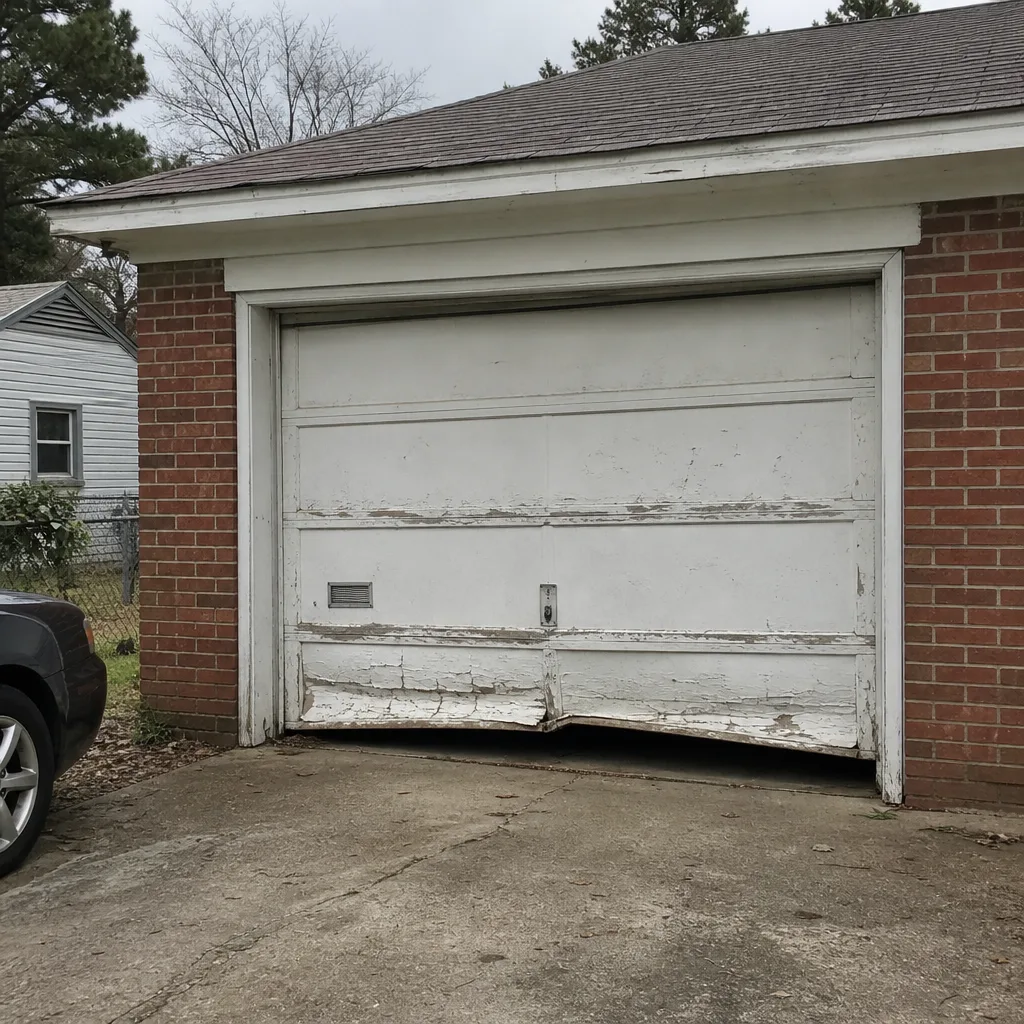 Before
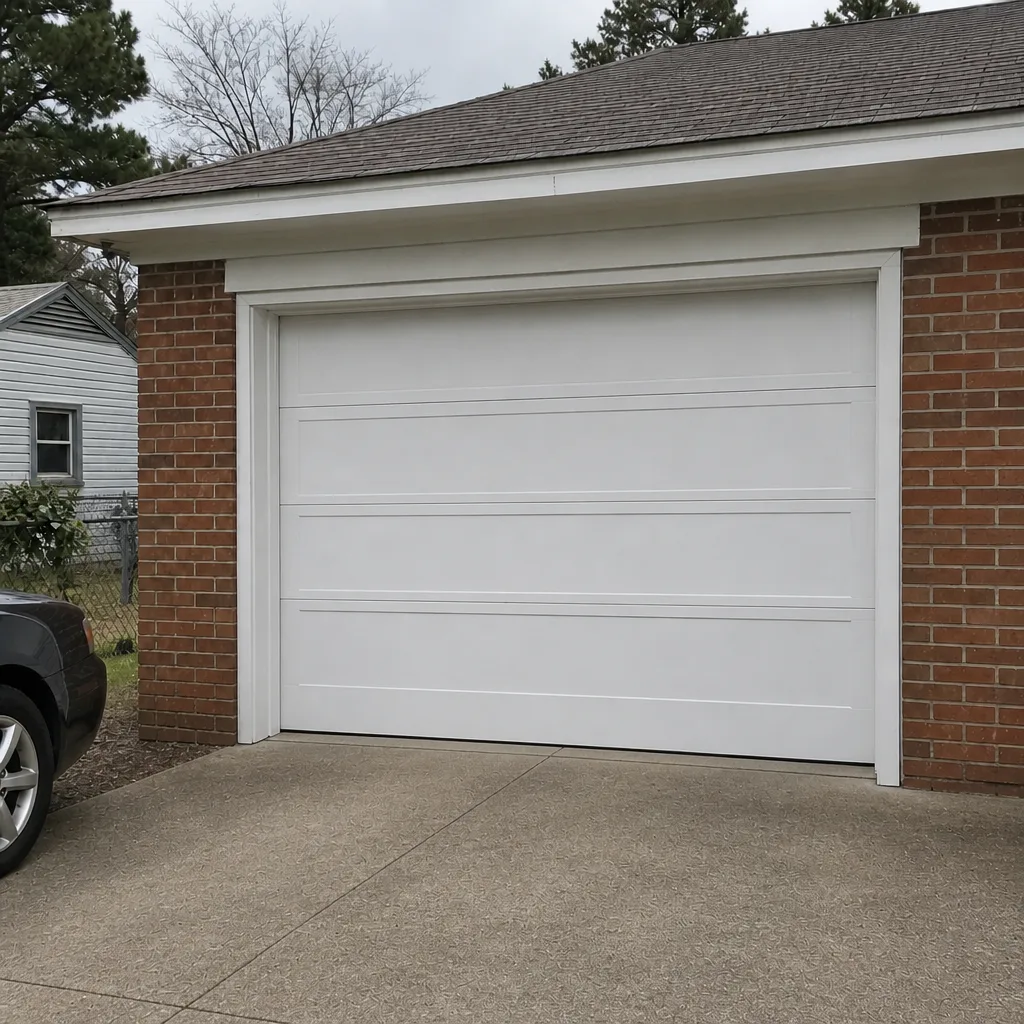 After
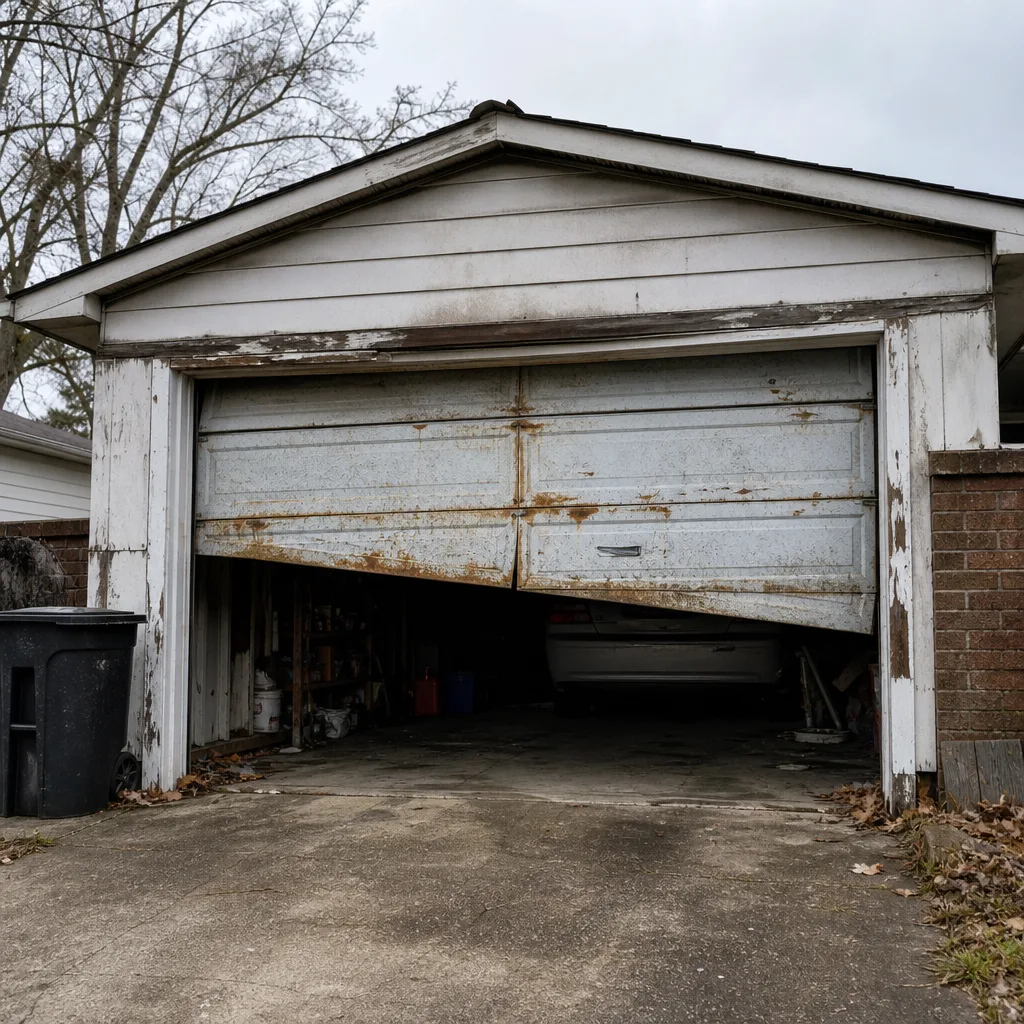 Before
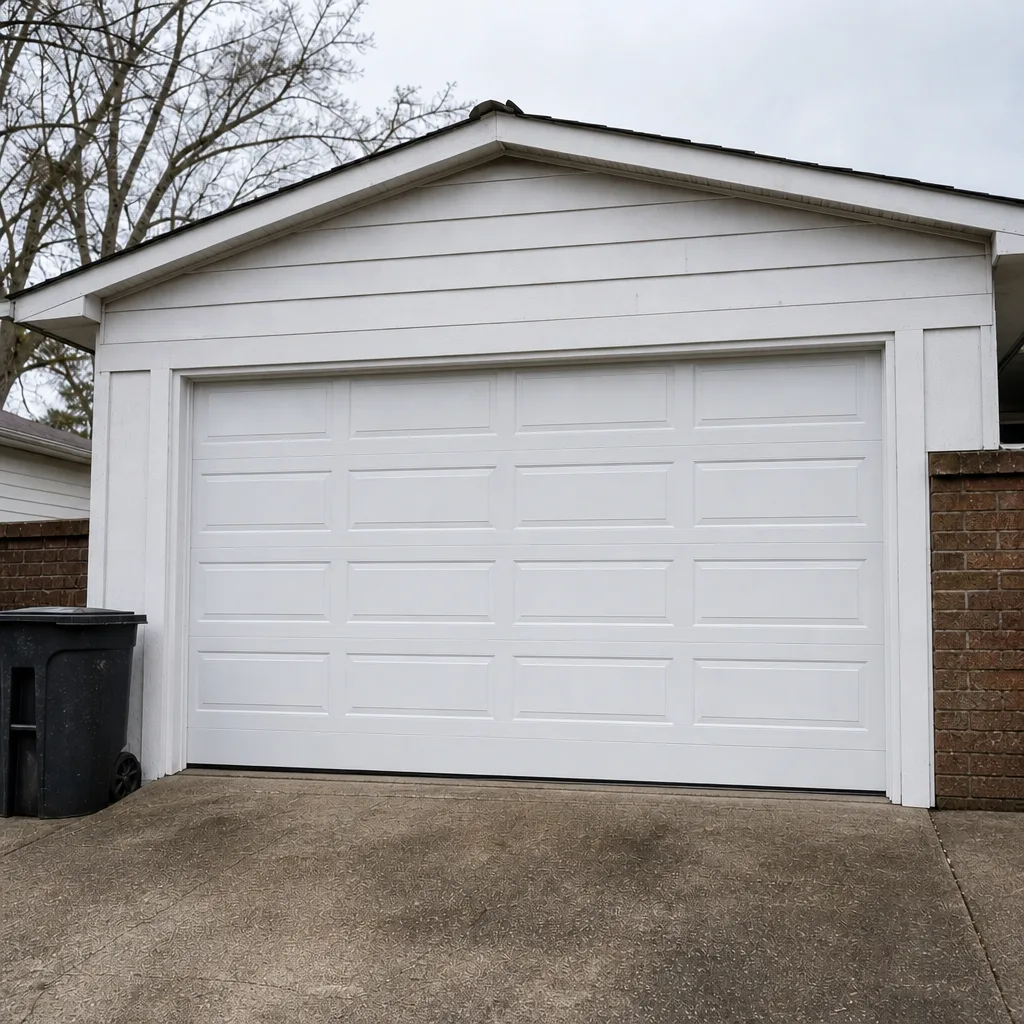 After
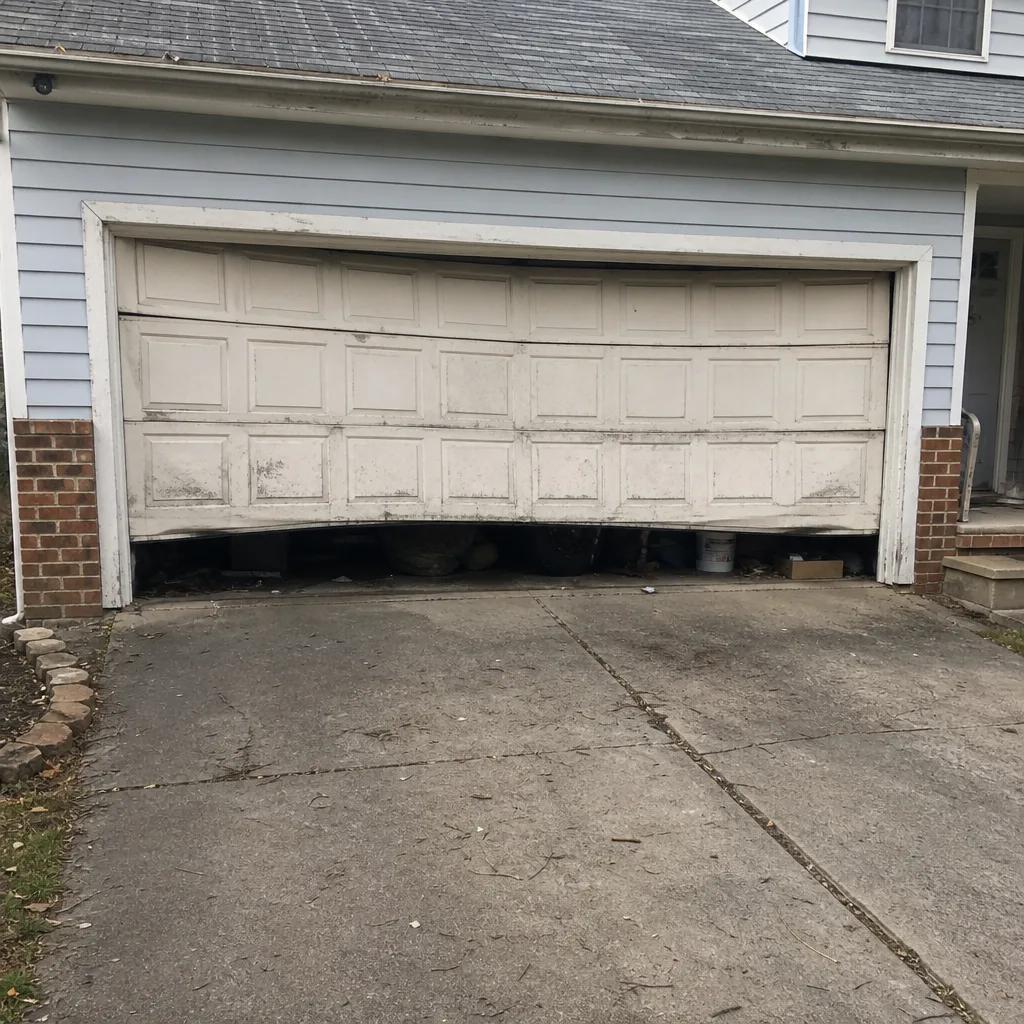 Before
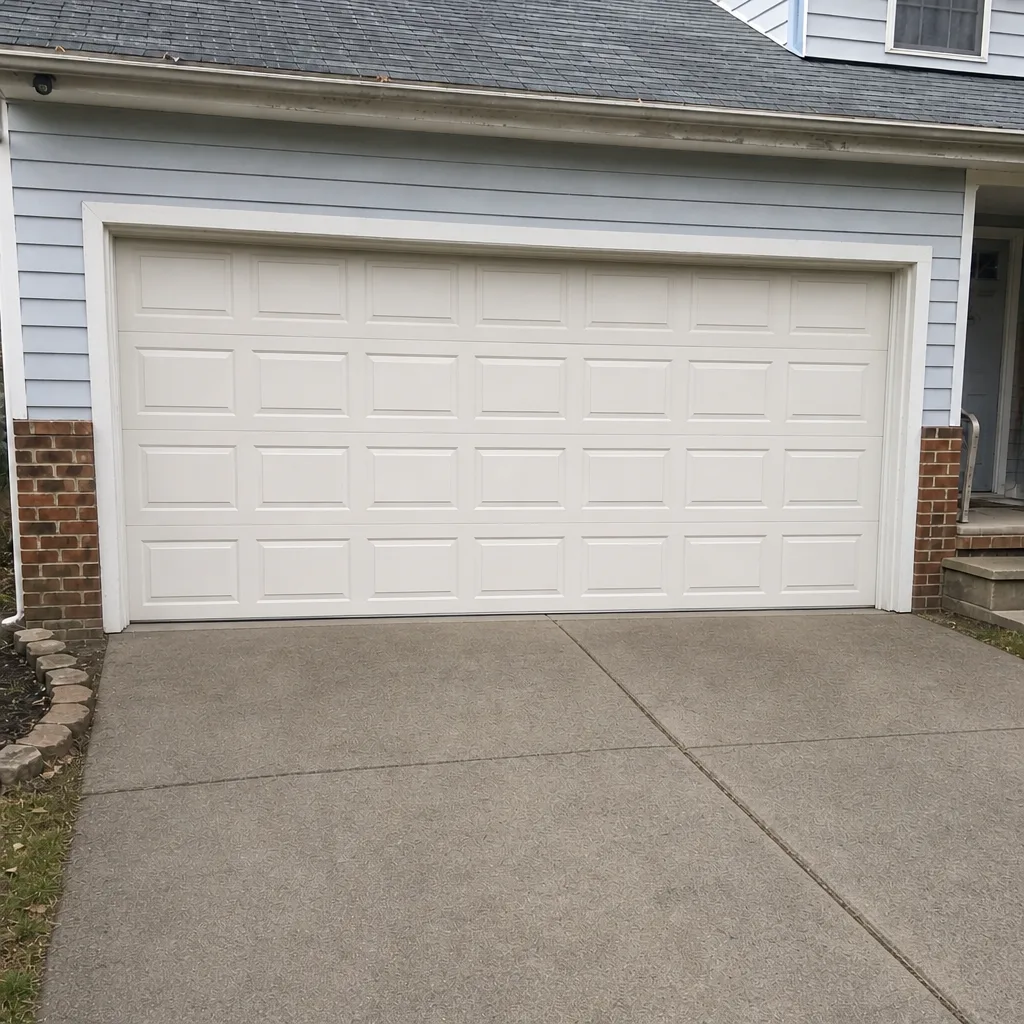 After
When to Call a Professional
Call a professional if the door has a broken spring or cable, if the door feels heavy when you lift it by hand, if the door is out of balance or off its track, if the opener will not run or runs only in one direction, or if any repair involves internal work on the opener. Call a professional, too, if you have tried the safe DIY steps and the problem is still there. Springs, cables, and opener internals are not jobs to learn on. And if the door is holding a car or a child under it, stop using the opener until the door is inspected. We answer 24/7. Fast dispatch from 7am to 7pm, Sunday through Friday. Juniper Garage Door Repair offers free estimates in Norfolk, and you can reach us by calling Juniper Garage Door Repair at (877) 384-9329.
Frequently Asked Questions
Most common repairs in Norfolk fall in the $150-$400 range for a single job, and a broken torsion spring repair is typically $180-$340 for one spring; a matched pair is usually replaced together and costs about twice that. The exact number depends on the specific part and the specific door. The written estimate sets the final price, and the price is quoted and agreed before any work starts. Call (877) 384-9329 for a free estimate.
For repair calls, we can often come out the same day, and the phone line is answered 24/7. Dispatch runs 7am to 7pm, Sunday through Friday. A call outside dispatch hours is booked into the next opening. Call (877) 384-9329 and we’ll find the soonest slot for your address in Norfolk.
No. The price is set by the written estimate, and it’s agreed before any work starts. If the diagnosis changes once we’re on site, you’ll get an updated written estimate to approve before anything is done. We don’t do surprise invoices, and we don’t bill for a service call fee.
Yes. Our technicians are licensed and insured, and they have up to 13 years of experience working on garage doors and openers. We work on equipment from LiftMaster, Chamberlain, Genie, Clopay, Amarr, Wayne Dalton, Craftsman, and Raynor. That experience means the diagnosis starts with a read of your system, not a guess. Call (877) 384-9329 for a free estimate.
The safety sensors are the most common cause. A misaligned sensor, a dirty lens, or a spider web breaks the beam and the door reverses as a safety measure. Wipe both sensors and check their LEDs; if both aren’t steady, realign the brackets until they are. If the LEDs are steady and the door still won’t close, the issue is likely in the opener or the door’s balance and you should call us at (877) 384-9329.
Yes. An intermittent door is on the path to a full failure, and the parts inside it are wearing faster than on a healthy door. Waiting usually means more broken parts and a bigger repair. The diagnosis is easier while the door is still running. Call (877) 384-9329 and we’ll send a technician to diagnose the cause before it stops entirely.
The Bottom Line
Garage door problems in Norfolk come from one of five root causes, and naming the cause before touching anything saves money short of nearly every other approach. The safety sensors and proper lubrication of the right parts are the two things you can safely handle. Springs, cables, and opener internals are not. Norfolk’s humidity means metal parts here need a seasonal look, and the brand of your door and opener matters less than the diagnosis behind the recommendation. If you’re not sure which category your problem is in, the diagnosis costs nothing. Call (877) 384-9329 for a free estimate. We answer 24/7, and our technicians have up to 13 years of experience. You can also Norfolk homeowners can reach us for any garage door or opener problem through our main number.
Written by the team at Juniper Garage Door Repair.