
Last updated November 15, 2026
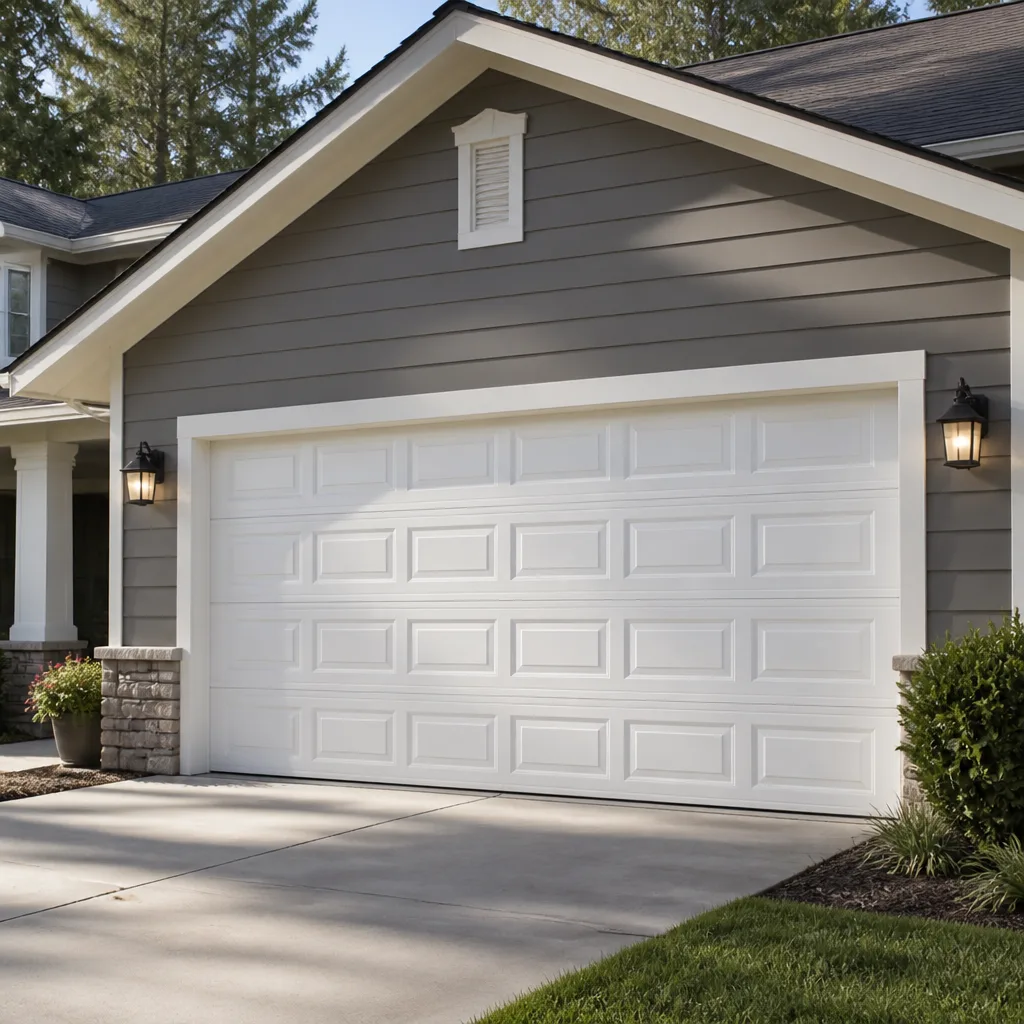 Raised-panel steel
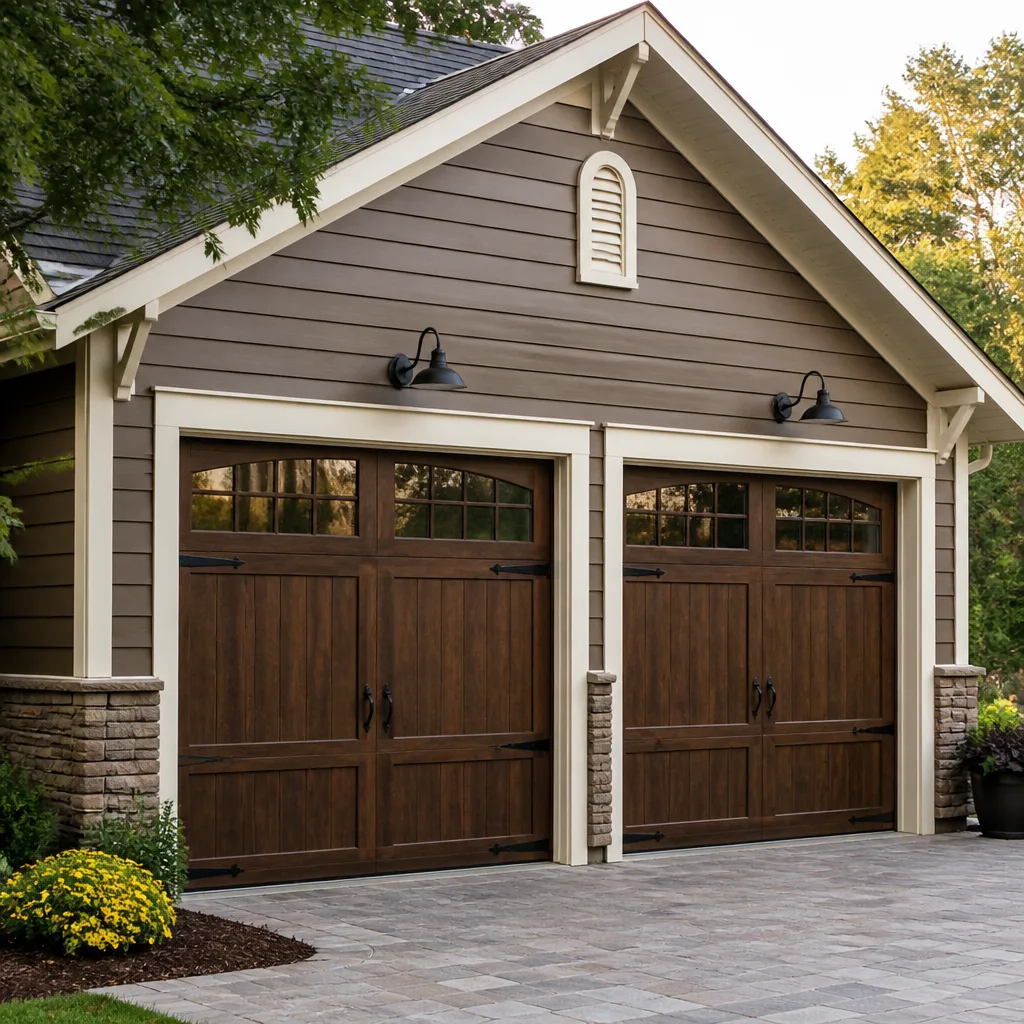 Carriage house
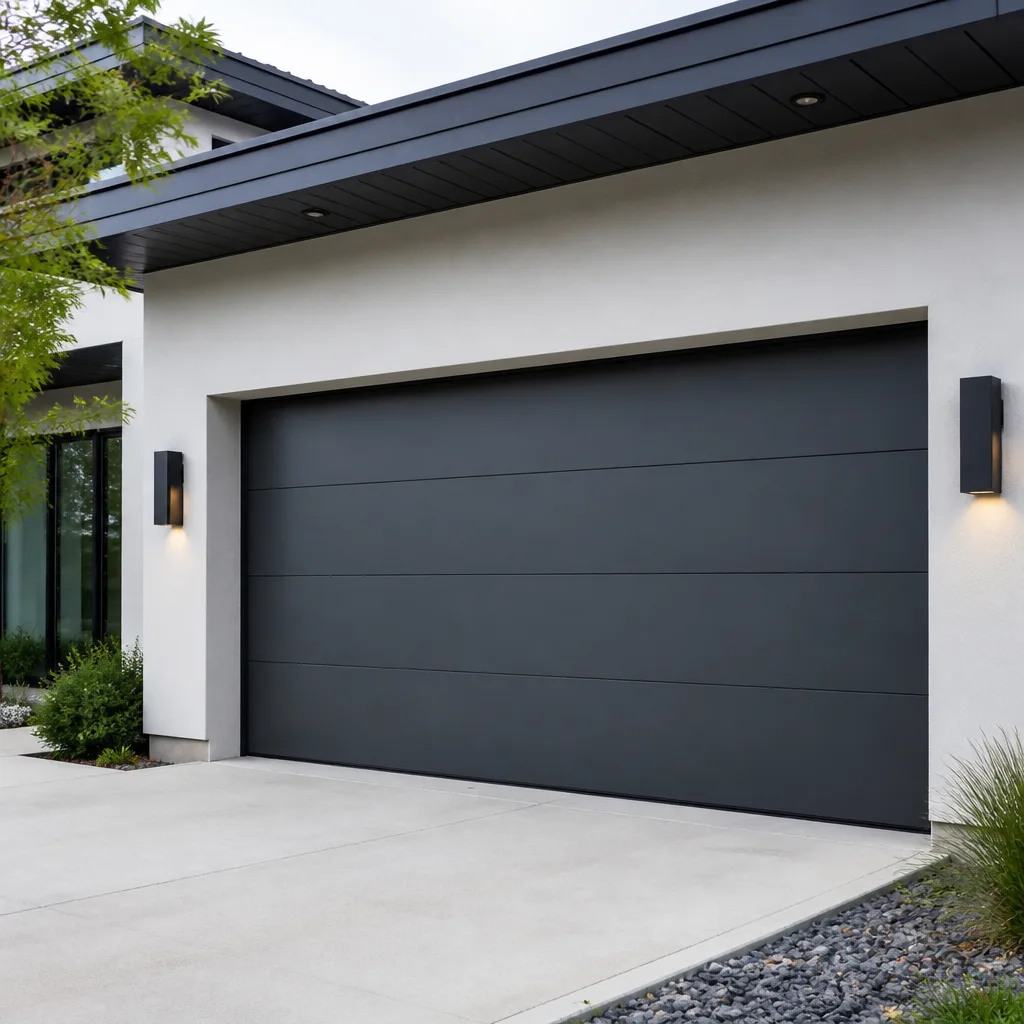 Modern flush
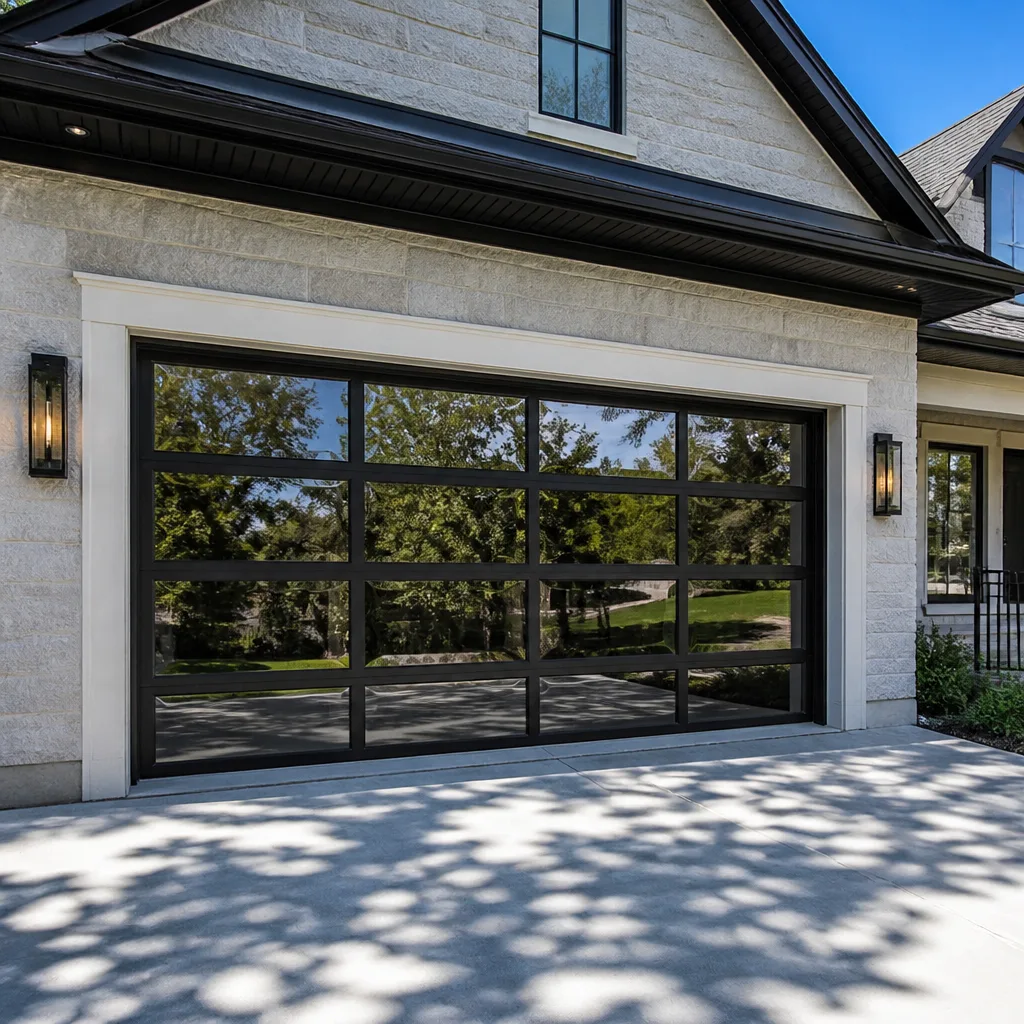 Full-view glass
 LiftMaster openers
 Chamberlain openers
Full 25-point door and opener safety check with every visit - springs, cables, rollers, tracks, and your LiftMaster or Chamberlain opener included
You get a price before we start. It does not change when the pro arrives.
Get your free estimateGarage Door Cost Breakdown: The Norfolk Homeowner’s Reference for 2026
The $799 garage door replacement quote you saw online almost certainly doesn’t include the wind-load hardware upgrade Virginia code requires for Norfolk’s hurricane zone, and that add-on alone typically runs $150 to $400. That’s the gap between an ad and an actual invoice, and it’s why so many Norfolk homeowners feel blindsided after they sign. Garage door pricing here gets shaped by things most national cost guides never touch: a small-market contractor pool, required structural upgrades, and material choices that affect how long a door lasts in our humidity. This guide breaks the whole job down line by line so you can price the same scope with every contractor and spot a low-ball quote before you commit.
Quick Answer
A full garage door replacement in Norfolk typically runs $1,100 to $3,800 for a standard single door with installation, or $2,000 to $6,500 for a double door, depending on material, insulation and the wind-load hardware Virginia code requires here. A single spring replacement costs $180 to $340 per spring, and opener replacement runs $350 to $850 installed. The written estimate is the price you pay, quoted and agreed before any work starts.
Styles & brands we work with
- Raised-panel steel
- Carriage house
- Modern flush
- Full-view glass
- LiftMaster openers
- Chamberlain openers
Table of Contents
- What actually drives garage door cost in Norfolk
- The component-by-component cost breakdown
- Wind-load upgrades: what they cost and why they aren’t optional
- Repair vs. replace: the dollar math
- Insulation, gauge and horsepower: real cost drivers vs. margin padding
- How to get three comparable quotes using one scope of work
- Opener costs and when repair beats replacement
- When to call a professional
What Actually Drives Garage Door Cost in Norfolk?
Four things move the number more than anything else: door size, material, insulation level and the wind-load hardware required for a home’s location. Norfolk’s contractor pool is smaller than a metro like Richmond, so labor rates sit in a middle band rather than the extremes you see in bigger markets. We’ve found that homeowners comparing quotes from three contractors in Norfolk often see the same door priced within a few hundred dollars, while the outliers are almost always quoting a different scope, not a different price for the same work.
Here’s what legitimately moves the price up or down on a Norfolk job:
- Door size. A single-car door (roughly 8 to 9 feet wide) and a double-car door (16 feet) are priced very differently for panels, tracks and springs.
- Material. Steel is the default and the cheapest; aluminum and wood sit higher; a full-view aluminum-and-glass door sits at the top of the range.
- Insulation. An uninsulated door costs less and does less for the room behind it. Insulated panels cost more and matter in a garage used as a workshop or gym.
- Wind-load hardware. Required in Norfolk’s hurricane zone. This is the line item a bargain quote usually leaves out.
- Site conditions. Low headroom, a sloped or shifting slab, or a non-standard opening adds labor and custom parts.
What does not legitimately move the price? A sales pitch wrapped around a brand name. We’re factory-familiar with LiftMaster, Chamberlain, Genie and Raynor because they’re what most Norfolk homes already have on the wall, and none of them changes a door price by itself. If a quote is thousands of dollars higher with no scope difference, that’s margin, not engineering.
The Component-by-Component Cost Breakdown
When you know what each piece costs on its own, a lump-sum quote becomes readable. Here’s how garage door cost in Norfolk breaks down by component. These are typical installed ranges for 2026; the written estimate sets the final price.
| Component | Typical installed range | Notes |
|---|---|---|
| Door panel / sections (single) | $600 – $2,000 | Material and insulation level are the swing factors |
| Door panel / sections (double) | $1,100 – $3,500 | Double the panel area, higher material cost |
| Springs (one spring) | $180 – $340 | Springs are replaced in matched pairs, so a pair runs about twice this |
| Opener (motor unit) | $350 – $850 installed | Belt vs. chain drive and horsepower move this |
| Track and hardware | $150 – $450 | Replacement track, rollers, hinges, brackets |
| Wind-load hardware upgrade | $150 – $400 | Required for Norfolk’s hurricane zone |
| Full installation labor | $400 – $900 | Depends on door type, headroom, removal of old door |
If your existing track is sound and only the panels are failing, the job can skip the track line entirely. If your opener is four years old and working fine, there’s no reason a new door quote should include one. A comparable quote itemizes these lines rather than hiding them in one number. For repairs to an existing door, our garage door repair service starts with a diagnosis of what’s actually failing before anyone quotes a replacement.
Wind-Load Upgrades: What They Cost and Why They Aren’t Optional
Wind-load hardware is the structural reinforcement that keeps a garage door in its track when wind pressure pushes against it. In Norfolk, Virginia’s building code treats the garage door as part of the wind-resistive envelope for homes in the hurricane zone, which covers most of the city. A door installed without it can fail inspection, and an inspector will catch it. Expect $150 to $400 for the upgrade, and expect a legitimate quote to show it as its own line.
What the upgrade usually includes:
- Heavier-gauge hinges and reinforced brackets rated for the wind pressure
- Additional or heavier center struts on the panels
- Reinforced track or a track-mount configuration rated for the load
- Latching hardware that holds the door in the closed position under pressure
This is the one place where a low quote in Norfolk is almost always a bad sign. A contractor quoting $799 for a full replacement on a home in the hurricane zone is either leaving out the wind-load hardware, quoting a non-compliant door, or planning to add the upgrade at the end of the job as a “surprise.” None of those outcomes are good for you. Ask every contractor, in writing, whether their quote includes the wind-load hardware for your address and how they determined what your home requires. If they can’t answer, find someone who can. If they do answer, you’ve got the right person on the job.
One more thing worth knowing: the specific wind-load rating your home needs is set by your building department based on your address, not by a generic chart. Ask your city’s building department what documentation they’ll want at inspection before you order a door. Most Norfolk contractors will pull this for you, but it’s your responsibility to be sure the door that gets installed meets the requirement.
Repair vs. Replace: The Dollar Math
The threshold most homeowners should use: if a single repair is going to top roughly 40% of what a new installed door would cost, replacement starts to make more financial sense, especially on doors 15 to 20 years old. Below that threshold, repair is almost always the better call. Above it, you’re putting money into a system that has more failures coming.
Here’s how to run the math on your own door. These are the questions that actually matter:
- What’s the current repair estimate? A spring set on a single door running $180 to $340 per spring (a pair costs about twice that) is a cheap fix on a door that’s otherwise sound.
- How old is the door? Panels 15 to 20 years old are near the end of their service life in Norfolk’s humidity. Below 12 years, repair usually makes sense. Above 20 years, replacement usually does.
- How many repairs have you made in the last three years? Two or more significant repairs on a door over a decade old is the pattern that says “replace.”
- Is the door still wind-load compliant? An old door that never had the reinforcement upgraded is a case for replacement, not repair.
- Are the panels showing rust or separation? Surface rust can be treated. Sagging panels or a separating skin can’t be repaired economically.
Add it up. Suppose you’ve got a 12-year-old single door, one broken spring, and everything else working. That’s an easy repair. Suppose the same door is at year 19, has a cracked panel, a failing opener, and a sagging track. The repair bill can hit $600 to $900, and a new installed door with wind-load hardware might be $1,500 to $2,400. The new door wins. If you’re not sure which side of the line you’re on, a diagnosis-first company will tell you. We’re brand-agnostic on purpose: we work on LiftMaster, Chamberlain, Genie and Raynor because that’s what homeowners have, not because we’re selling toward one. If the repair is the honest call, we’ll tell you it’s the honest call.
Insulation, Gauge and Horsepower: Real Cost Drivers vs. Margin Padding
Three specs actually change what you pay and what you get: insulation R-value, steel gauge, and opener horsepower. Everything else a salesperson puts on the page is usually a preference, not a requirement. Here’s how to tell the difference in a Norfolk garage.
Insulation
An insulated door carries a stated R-value. Higher R-value means better thermal separation between the garage and the room above or beside it. In Norfolk’s humid, hot summers and mild winters, insulation matters most if the garage shares a wall with living space, houses a workshop, or contains anything temperature-sensitive. If the garage is a standalone box that just holds your car, an uninsulated steel door is a defensible choice. Don’t let anyone upsell a heavily insulated door on a detached garage that has no conditioned space behind it.
Steel Gauge
Steel door panels are measured in gauge, and a lower number is thicker. A 24-gauge panel is standard; a 25 or 27-gauge panel is thinner, dents more easily, and sometimes shows up on bargain doors. On a Norfolk home with kids, bikes and lawn equipment around the garage, a thicker panel pays for itself in dents avoided. The gauge difference is often a two-digit dollar difference per panel section, which is a real cost, but a defensible one.
Opener Horsepower
Residential openers are usually rated at 1/2, 3/4 or 1 horsepower. A 1/2-horsepower unit is adequate for a lightweight single door. A 3/4-horsepower unit is the right call for an insulated double door, and for any door that gets used heavily. A 1-horsepower opener belongs on a very heavy door or in a light-commercial setting. Nobody needs a 1-horsepower opener on a single-car steel door, and a quote that pushes one is margin, not engineering.
One guideline we’ve seen hold up over years of repairs in Norfolk: any opener mass-produced before the safety sensor requirement is worth replacing rather than repairing. If you don’t have safety sensors near the floor, that opener is out of date and no repair makes it current. For everything else, an opener that’s failed in one component can usually be brought back up and running by repairing the failed part. Check our garage door opener repair page for what’s covered.
How to Get Three Comparable Quotes Using One Scope of Work
Pricing the same job with three contractors is the single most effective way to protect yourself from a padded quote. The trick is to give every contractor the same written scope, so nobody can quote a different job and pretend the numbers are comparable. Here’s the process we recommend to every Norfolk homeowner we talk to.
- Write the scope once. List door size, material preference, insulation level, opener model and whether the existing door and opener stay or go. Include the wind-load hardware line explicitly.
- State the timeline and access. Note the age of the home, whether the garage is on a slab or over a basement, headroom above the door, and any width or height irregularity you’ve noticed.
- Ask for the quote in writing with line items. Panels, track, springs, opener, hardware, wind-load upgrade and labor should each appear. A single lump number is not a comparable quote.
- Ask what’s not included. Old door removal, disposal, permits, finish work on the trim, and any necessary structural repair are the usual exclusions. Get them on paper.
- Check the warranty terms. Manufacturer warranty on the door and opener, and labor warranty from the installer, should both be in writing. A short labor warranty on an installation is a red flag.
- Ask about the inspection. Who pulls the permit, who schedules inspection, and what happens if the door fails. The answer tells you whether the contractor has done this job in Norfolk before.
- Compare apples to apples. Lay the three quotes side by side. If two of them line up within a few hundred dollars and the third is far below, the third is almost certainly missing a line.
A contractor who won’t produce a line-item written quote for a Norfolk installation is asking you to sign blind. The written estimate is the price, quoted and agreed before anyone touches the door. When you’re ready to compare, our Juniper Garage Door Repair team provides free estimates with itemized pricing so you can put us in the same side-by-side as everyone else.
Opener Costs and When Repair Beats Replacement
An opener replacement in Norfolk typically runs $350 to $850 installed, while a repair on a working unit usually runs $150 to $350 depending on the failed part. The math favors repair on any opener under 10 years old with a single failed component; replacement usually wins on older units with failing logic boards, stripped gears or burned-out motors.
The parts that actually fail on a residential opener, and what they cost to repair:
- Logic board: $180 to $320, common on older units; cheaper to replace the board than replace the opener until the unit is over 12 years old.
- Gear and sprocket kit: $150 to $300, usually on a belt-drive or chain-drive unit that’s been running a heavy door for years.
- Safety sensors: $80 to $180, commonly failed from impact or misalignment.
- Remote and wall control: $60 to $150, worth replacing before you replace the opener.
- Travel limits and force settings: $100 to $200, often a symptom of a door problem rather than an opener problem.
The last item is worth dwelling on. An opener that reverses, strains or stops partway through travel is often signaling a door problem (a failing spring, a binding track, an off-balance panel) rather than a motor problem. Replacing the opener without diagnosing the door means you pay twice. We’ve seen this exact situation more than a few times on Norfolk jobs where the homeowner had already bought a new opener. Our garage door opener repair team always checks the door first, because on LiftMaster, Chamberlain, Genie and Raynor alike, the opener is only as good as the door it’s pushing.
Common Mistakes to Avoid
- Accepting a lump-sum quote. A single number with no line items makes it impossible to compare scope with another contractor. Ask for the breakdown or walk away.
- Assuming the wind-load upgrade is a sales add-on. It’s a code requirement for Norfolk homes in the hurricane zone, and leaving it out of the quote is a problem for you, not the contractor. Confirm it’s included in writing.
- Buying a new opener when the door is the actual problem. Reversing, straining or stopping mid-travel is usually a door issue, not a motor issue. Diagnose before you buy.
- Skipping the permit or the inspection. Norfolk installs need to be documented. If your contractor wants to skip the permit, ask why, and be skeptical of the answer.
- Not asking about the disposal of the old door. Removing and disposing of a 200-pound steel door is not free. If it’s not in the quote, it will appear on the invoice.
- Letting one spring be replaced and not the other. Springs are usually replaced in matched pairs. If one has failed, the other has been through the same cycles and is close behind.
- Comparing install prices to repair prices. A new-door price and a repair price are different scopes. Both belong in the decision, but not in the same column of the comparison sheet.
See the difference
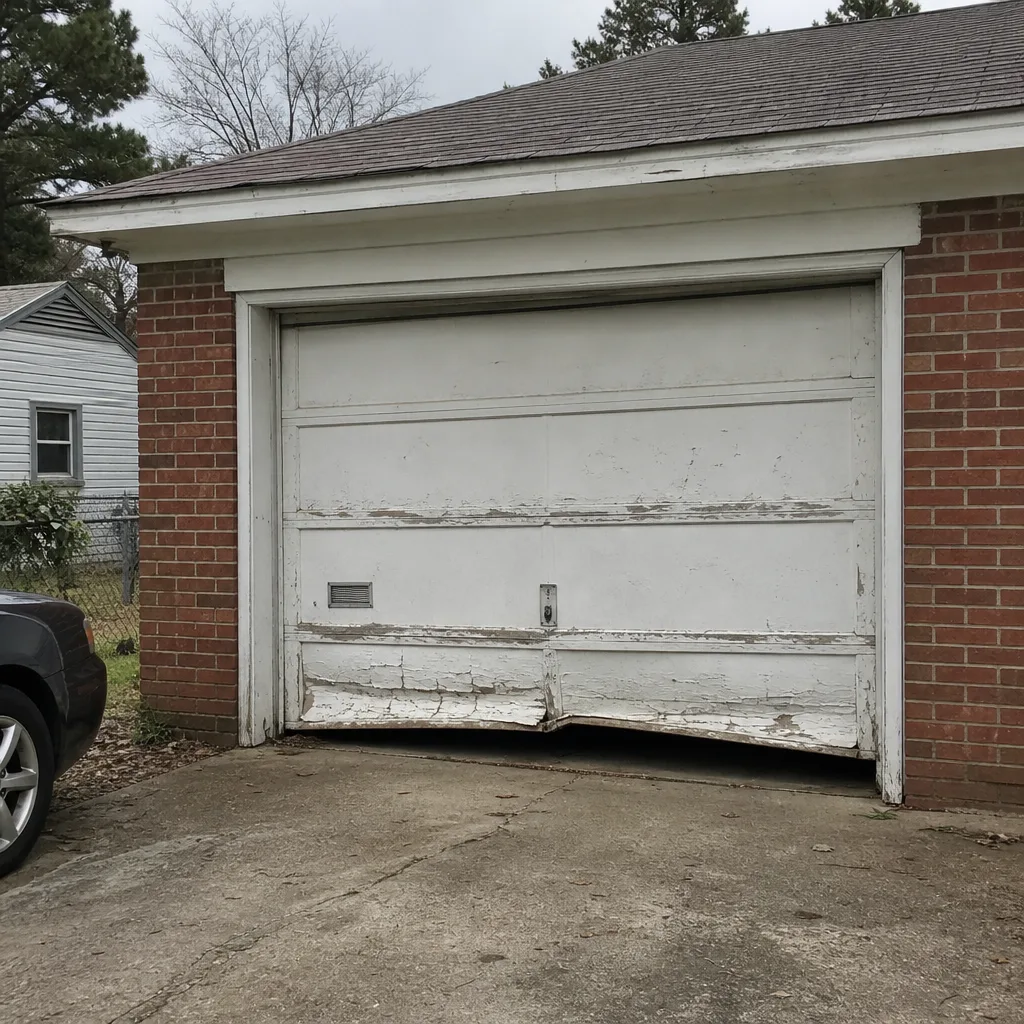 Before
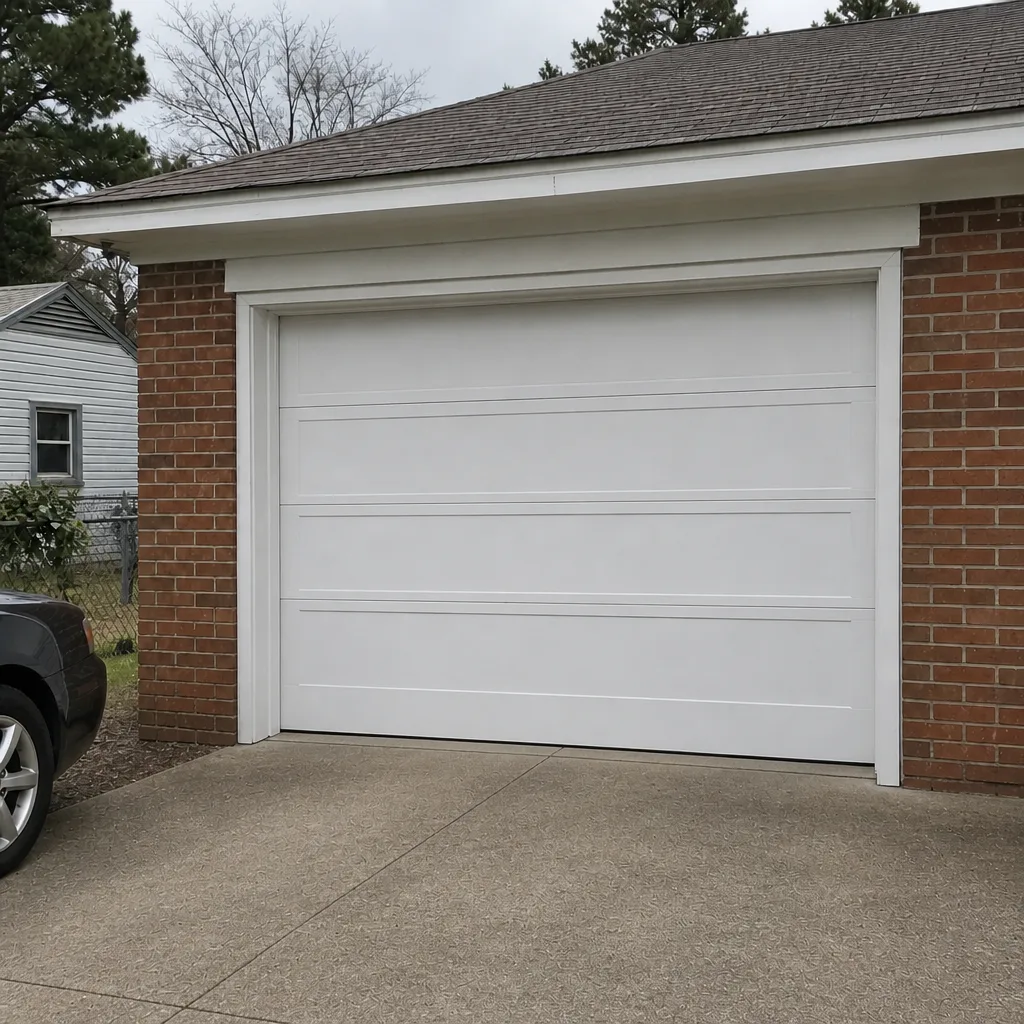 After
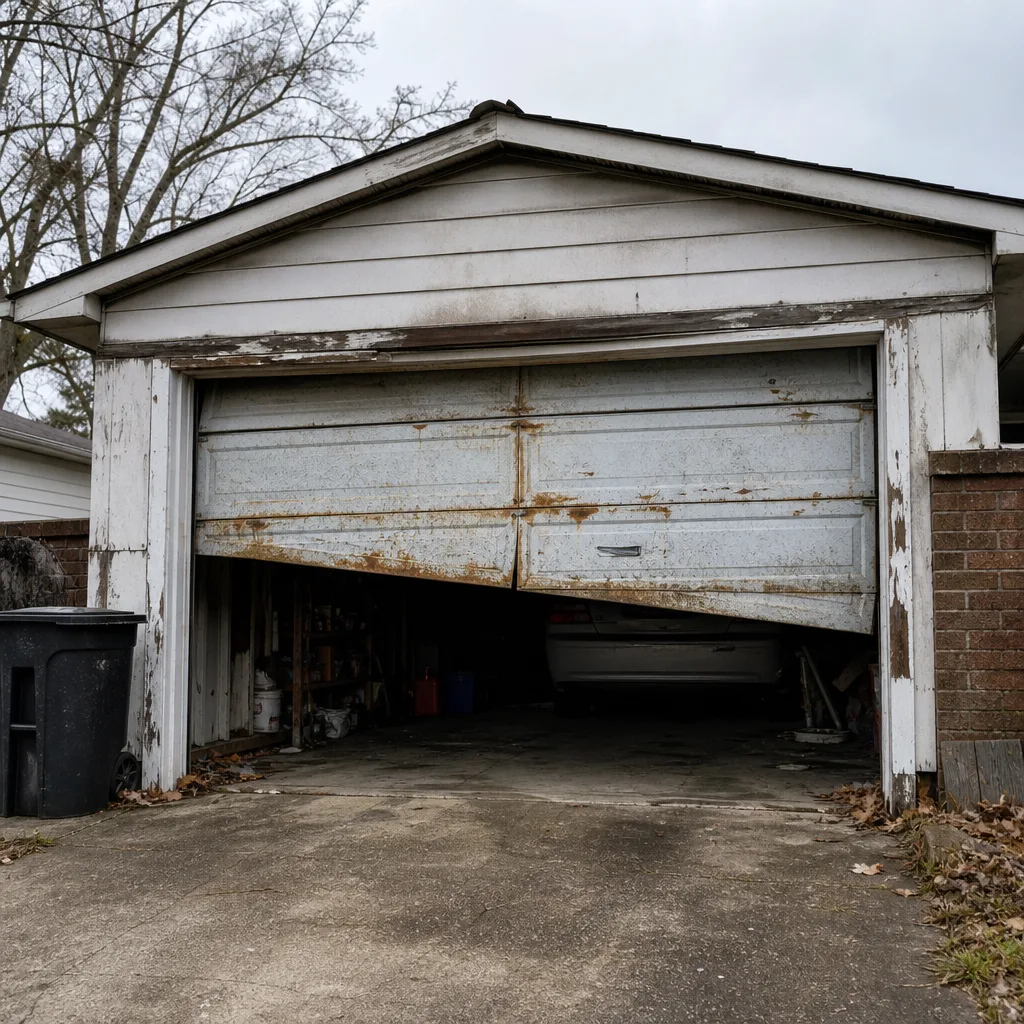 Before
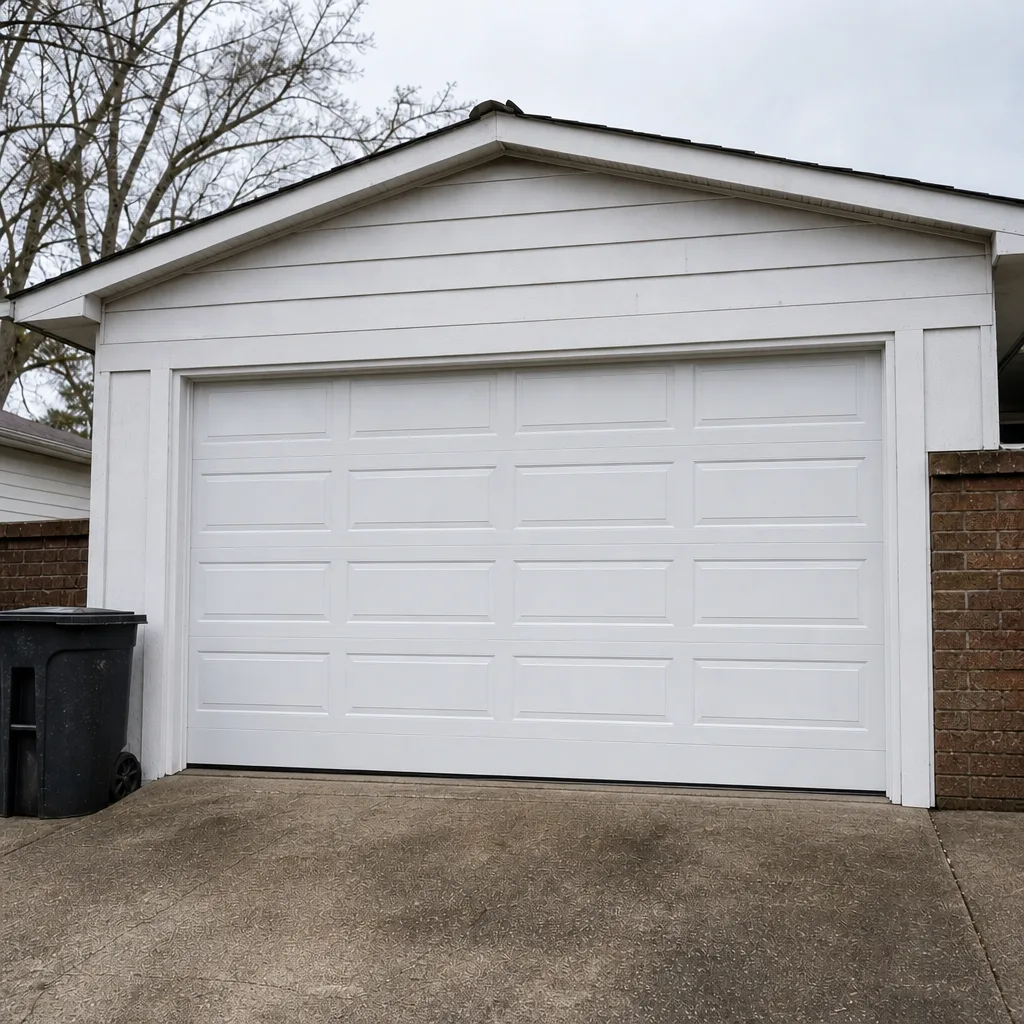 After
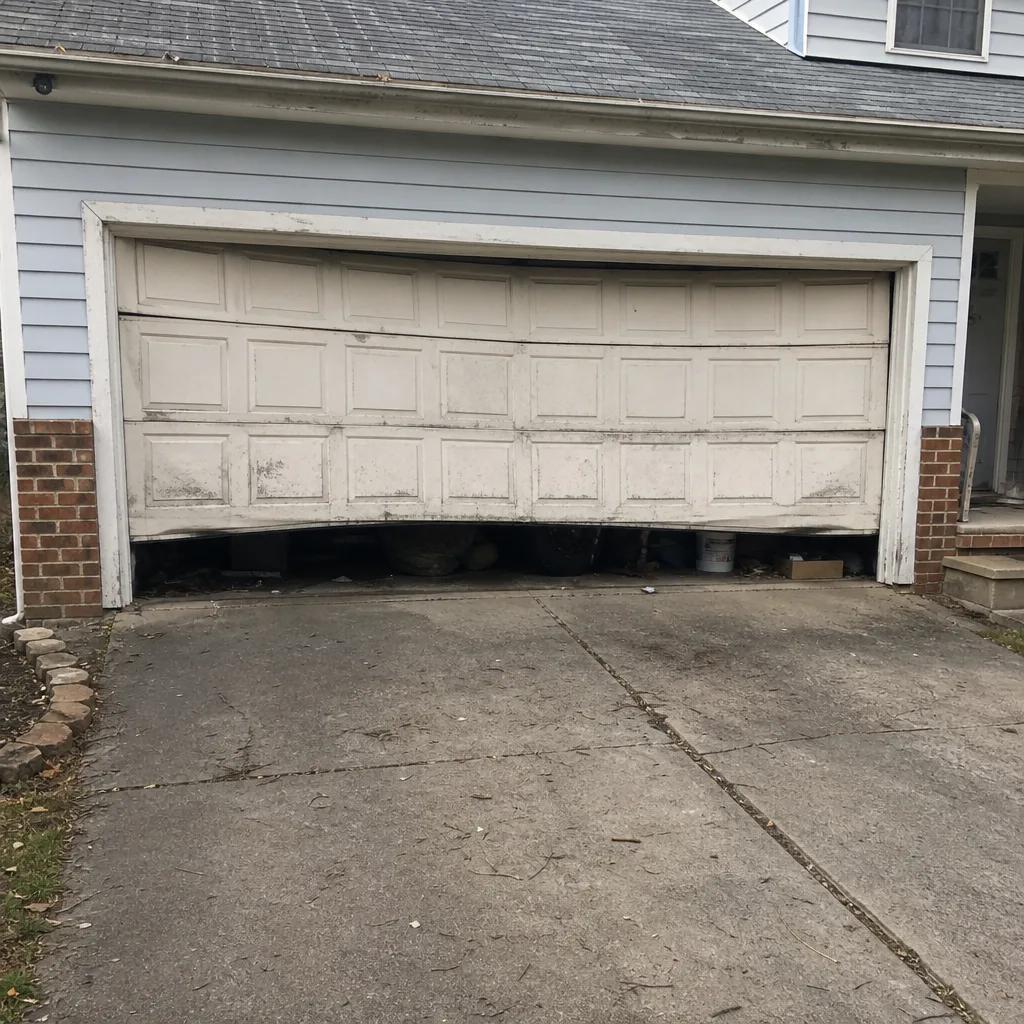 Before
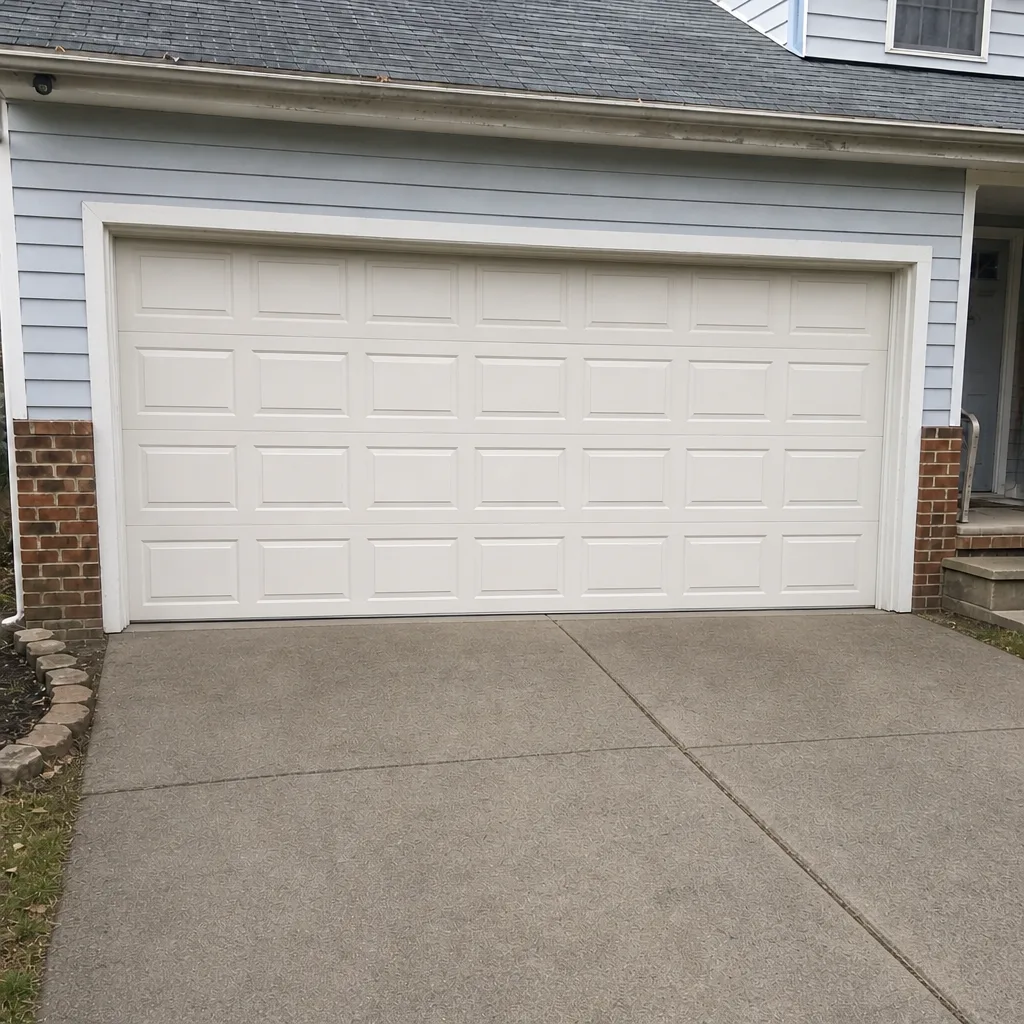 After
When to Call a Professional
Any time the springs, cables or torsion system are involved, call a professional. Those parts are under extreme tension and can cause serious injury if handled without the right training. The same goes for the opener’s electrical connections if you’re not comfortable working at the panel. If your door is off its track, the panels are bowed, the opener is reversing for no clear reason, or you’ve noticed a gap in the frame that wasn’t there last month, those are all signs to stop pulling on it and get someone out. We’ve worked on enough Norfolk doors to know that the “hold it together with zip ties and hope” approach costs more in the end than a call. Juniper Garage Door Repair offers free estimates in Norfolk; call (877) 384-9329. We answer 24/7. Fast dispatch from 7am to 7pm, Sunday through Friday.
Frequently Asked Questions
A typical garage door replacement in Norfolk runs $1,100 to $3,800 for a single door with installation, depending on material, insulation and required wind-load hardware, or $2,000 to $6,500 for a double door. The written estimate sets the final price, quoted and agreed before work begins. Call (877) 384-9329 for an exact quote; estimates are free.
Yes, if your home is in the city’s hurricane zone, which covers most of Norfolk. Virginia code treats the garage door as part of the wind-resistive envelope. The upgrade typically adds $150 to $400. Ask your city’s building department what documentation they want at inspection, then confirm the upgrade is a written line on any replacement quote. Call (877) 384-9329 with your address and we’ll tell you what the scope should include.
Repair is almost always cheaper when the repair comes in under roughly 40% of the installed replacement cost. On a door 15 to 20 years old with multiple failures, replacement is usually the better financial call. Call (877) 384-9329 for a free estimate on both so you can compare the two numbers side by side.
A single spring replacement runs $180 to $340 installed, and since springs are usually replaced in matched pairs, expect a pair to cost about twice that. Springs and cables are under extreme tension and are not a safe DIY job. Call (877) 384-9329; same-day service is usually available.
Almost always because the quotes cover different scopes, not different prices for the same job. The wind-load upgrade, old-door disposal, track replacement and opener inclusion are the four lines that vary most between contractors. Hand every contractor the same written scope of work and require line-item pricing. Call (877) 384-9329 for an itemized free estimate you can compare directly.
Yes. Technicians are state-licensed, insured and bonded, and our technicians have up to 13 years of experience. We work on the brands most Norfolk homes already have on the wall, including LiftMaster, Chamberlain, Genie and Raynor, so we arrive knowing the system rather than learning it. Call (877) 384-9329. We answer 24/7. Fast dispatch from 7am to 7pm, Sunday through Friday.
Not if the technician does the estimate properly. Every quote we provide is agreed before any work starts, so the number you see is the number you pay. If something unexpected comes up during the job (a hidden track issue, a structural problem behind the frame), we stop, explain it, and re-quote before continuing. Call (877) 384-9329 for a free estimate.
The Bottom Line
A fair garage door quote in Norfolk is always built the same way: panels, track, springs, opener, wind-load hardware and labor as separate line items, at prices a homeowner can compare against another quote. The two things that derail most Norfolk projects are missing the wind-load upgrade and accepting a lump-sum price that hides scope differences. Run the repair-vs-replace math before you decide, get three written quotes on the same scope of work, and insist the wind-load line is explicit. A door you can open without thinking is worth $1,100 to $3,800 done right, and worth nothing done wrong.
Juniper Garage Door Repair provides garage door repair, opener repair and full installation on the brands most Norfolk homes already have, from Raynor and LiftMaster to Chamberlain and Genie. If your door needs an honest diagnosis and a written price, call (877) 384-9329 for a free estimate. We answer 24/7. Fast dispatch from 7am to 7pm, Sunday through Friday. Closed Saturday. The price is quoted and agreed before any work starts.
Written by the team at Juniper Garage Door Repair.