
Last updated November 15, 2026
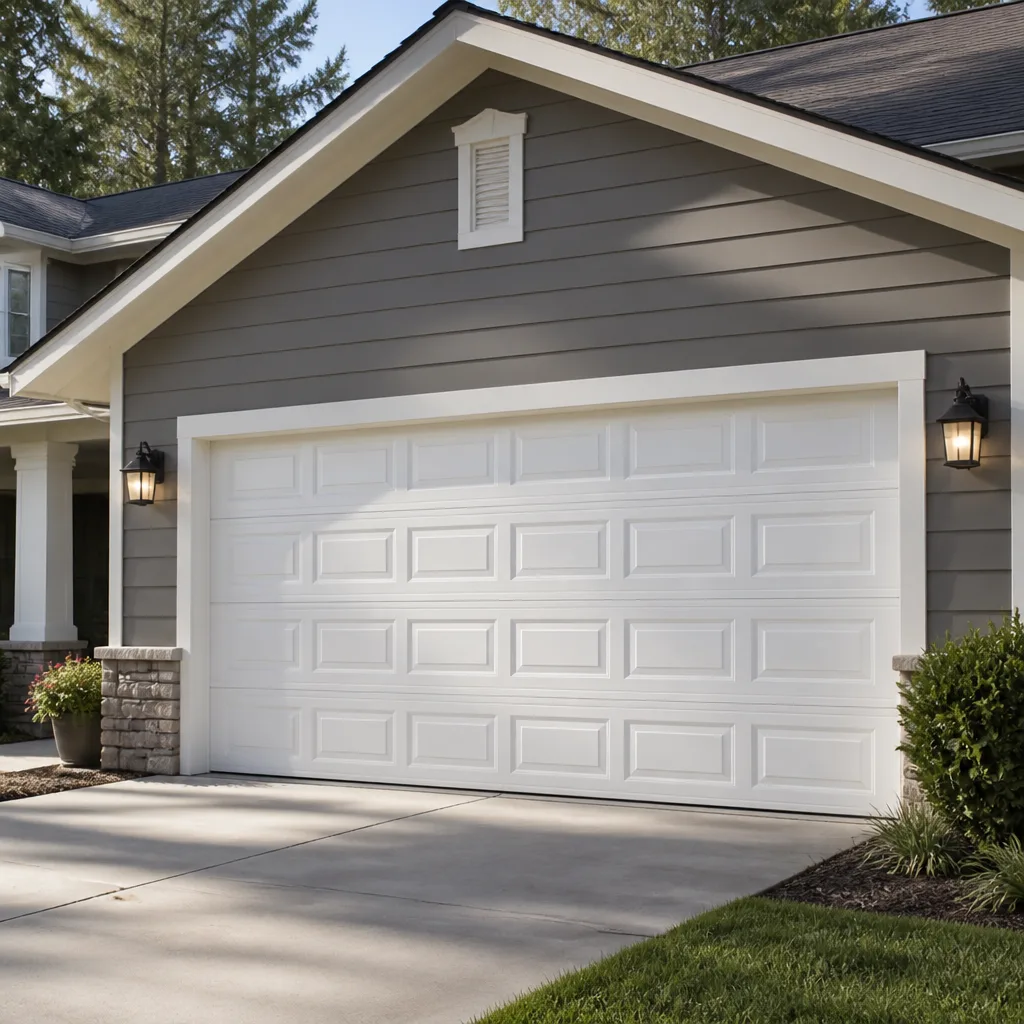 Raised-panel steel
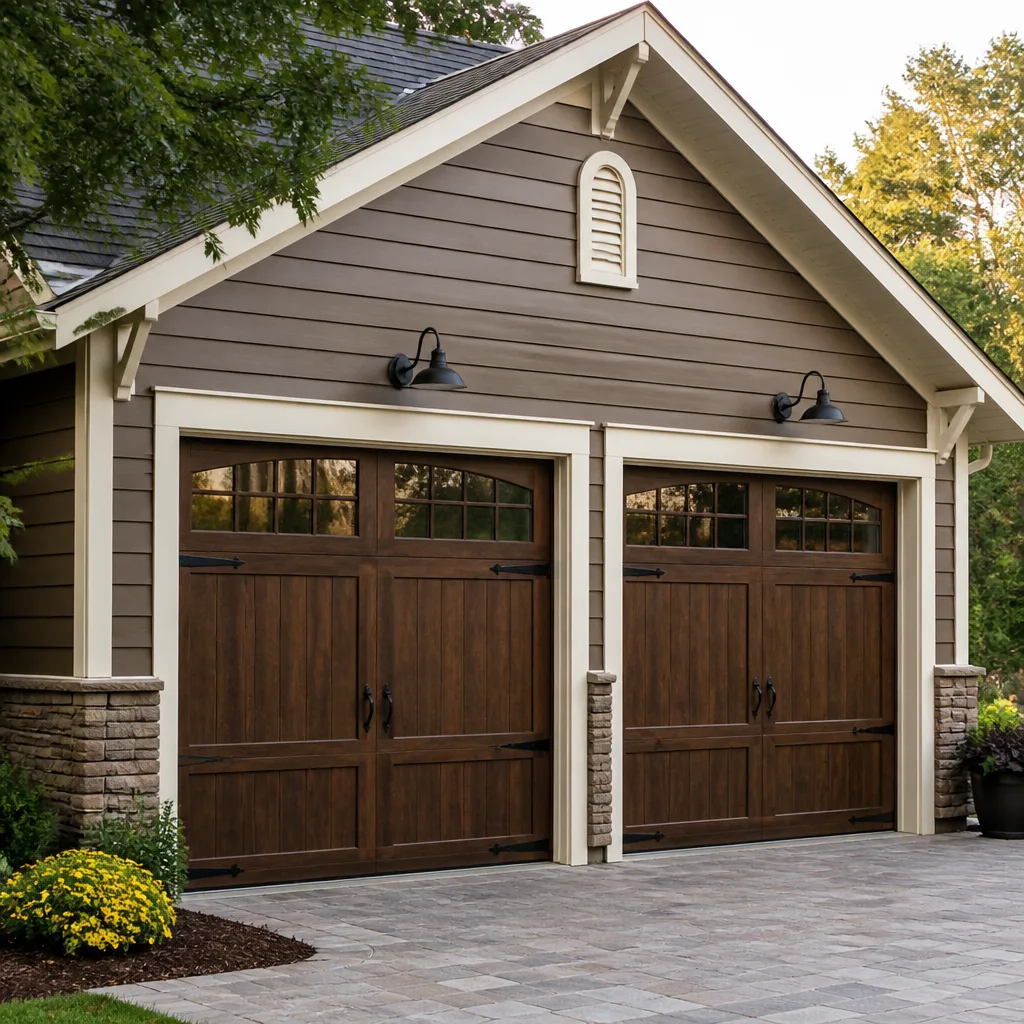 Carriage house
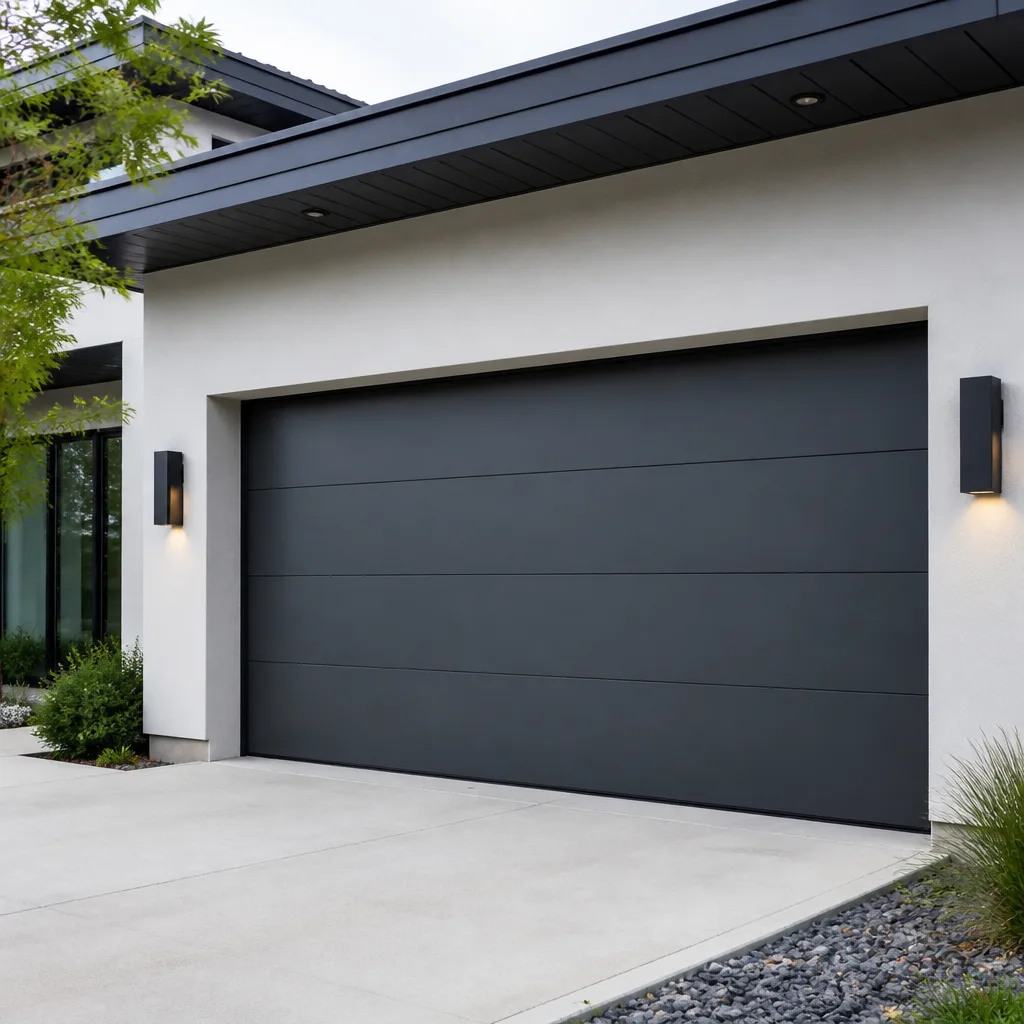 Modern flush
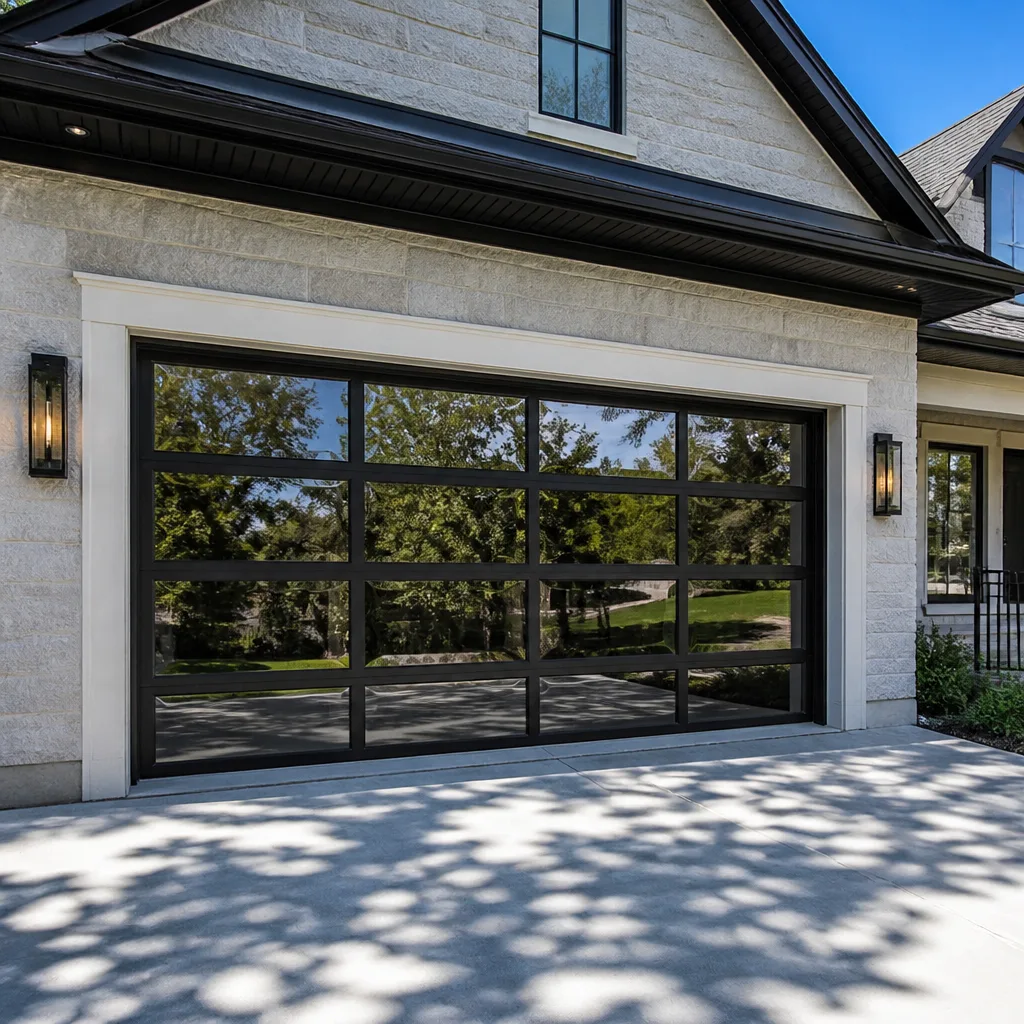 Full-view glass
 LiftMaster openers
 Chamberlain openers
Full 25-point door and opener safety check with every visit - springs, cables, rollers, tracks, and your LiftMaster or Chamberlain opener included
You get a price before we start. It does not change when the pro arrives.
Get your free estimateThe Complete Guide to Garage Doors in Norfolk
Norfolk averages over 60% relative humidity for most of the year, yet nearly every “complete garage door guide” online was written for a dry midwest climate. That mismatch matters. The hardware in a Norfolk garage faces moisture, storm-driven wind loads, and year-round damp that a door in Omaha or Phoenix never sees. Springs, tracks, and bottom seal brackets all live in that environment, and they age on a different schedule here than they do inland. This guide treats Norfolk’s climate as the main variable, not an afterthought. You’ll learn how local conditions shorten hardware life, which door constructions actually hold up in Tidewater, how to read a data plate before you accept an install, and when repair makes more sense than replacement. We’re Juniper Garage Door Repair, and this is the guide we wish every Norfolk homeowner had.
Quick Answer
Garage doors in Norfolk need more attention than the national advice suggests because humidity, wind-driven rain, and hurricane-season wind-load requirements all shape how long a door and its hardware last. Most Norfolk homeowners will replace springs and seals sooner than inland owners, and any new door should carry a wind-load rating appropriate to the local code. If a door is sticking, noisy, or not sealing, it’s worth a free estimate before the problem spreads to the opener or the panels. Call (877) 384-9329. We answer 24/7. Fast dispatch from 7am to 7pm, Sunday through Friday.
Styles & brands we work with
- Raised-panel steel
- Carriage house
- Modern flush
- Full-view glass
- LiftMaster openers
- Chamberlain openers
Table of Contents
- Why Garage Doors Age Differently in Norfolk
- Hardware That Fails First in Tidewater Humidity
- Wind-Load Ratings and Hurricane-Season Requirements
- Why a Door That Lasts 20 Years in Richmond May Need Attention at 10 in Norfolk
- Material Comparison Scored for Tidewater Conditions
- How to Read a Garage Door Data Plate Before You Buy
- Openers and Why the Motor Matters as Much as the Door
- Repair or Replace? A Decision Guide for Norfolk Homes
Why Garage Doors Age Differently in Norfolk
Norfolk sits in a humid subtropical climate, and that single fact reshapes almost everything about garage door ownership. For most of the year the relative humidity stays high, which means the interior of a garage – often unheated and un-air-conditioned – holds moisture against metal and wood far longer than a drier market would. A steel door that dries out within hours in a dry climate can stay damp for days here. That damp is what quietly ages hardware, seals, and the door itself.
Then there’s hurricane season. Norfolk is in a coastal hurricane zone, and the wind that comes with tropical systems isn’t an occasional oddity – it’s a design condition. Doors in this area are expected to resist specific wind pressures, and a door installed to an inland standard may not meet what Norfolk’s building department looks for. We work on equipment from eight of the most common brands – LiftMaster, Chamberlain, Genie, Clopay, Amarr, Wayne Dalton, Craftsman, and Raynor – and we’ve spent enough time in Norfolk garages to know that the local environment is the variable most homeowners overlook when something starts to wear early.
What that means in practice:
- Metal parts stay wet longer, so corrosion sets in sooner than the manufacturer’s literature suggests.
- Wood components swell and shrink through the year, stressing fasteners and joints.
- Seals that look fine elsewhere crack and lose flexibility within a couple of seasons.
- Wind-driven rain reaches places a covered, inland garage never sees, including the bottom seal and the lower tracks.
None of this is a reason to panic. It’s a reason to know what you’re looking at and to keep an eye on the right parts.
Hardware That Fails First in Tidewater Humidity
If you ask which parts of a garage door wear out first in Norfolk, the honest answer is that it’s less about manufacturer quality and more about which components sit closest to moisture. Standard torsion springs are usually oil-tempered steel, and while they don’t rust to failure in a season, the fine surface corrosion that damp air encourages does shorten their working life. When we open a door for a spring service, we’re often looking at a spring that’s simply reached the end of its cycle count faster than the door’s age would suggest. We always replace springs as a matched pair, since a spring that’s cycled the same number of times is right behind its twin.
Tracks are the next thing to watch. In Norfolk, the lower sections of vertical track take the brunt of wind-driven rain, and the fasteners holding that track in place can loosen as the wood or concrete behind them moves through wet and dry cycles. A door that suddenly starts to bind often has a track that’s drifted a few millimeters out of plumb, not a door that’s warped.
The bottom seal and its brackets are the third failure point. The rubber seal is what keeps wind, water, and pests out of the garage, and in Norfolk it spends most of its life compressed against a damp slab. It loses elasticity and starts to crack, and once it’s no longer sealing, moisture creeps into the gap behind it. The brackets that hold the seal are steel and sit right at floor level, where they get the worst of it. Replacing a bottom seal is inexpensive compared with what water damage to the sill can cost.
In our experience, the parts to keep an eye on, roughly in order of concern, are:
- Springs – end-of-life comes faster in a damp climate, so watch for balance issues and unusual noise.
- Bottom seal and its brackets – check for cracks, gaps, and standing water at the threshold.
- Lower tracks and their fasteners – look for uneven operation and a door that shifts as it rises.
- Cables and drums – inspect for fraying and rust rather than testing them yourself.
- Rollers – a stiff or flat roller adds strain to the entire track system.
Springs and cables are high-tension components, and this is a job for a trained technician. Don’t try to remove, tighten, or adjust them yourself.
Wind-Load Ratings and Hurricane-Season Requirements
Norfolk is in a coastal hurricane zone, which means a garage door here is a structural element, not just a convenience. Wind-load ratings describe the pressure a door and its anchoring system are designed to withstand, and a new or replacement door must be matched to the local requirements. That’s not a marketing point – it’s a building-code matter, and the specifics can vary depending on which part of the city a home is in and what type of structure it is.
When you’re choosing a door for a Norfolk home, wind-load is one of the first things to settle, because it will narrow the field more than color or style will. Reinforced steel doors, certain aluminum models, and specific impact-rated systems all come in wind-load ratings; lighter residential doors that are perfectly adequate inland may not meet Norfolk’s requirements. The right answer for your address depends on what your city’s building department requires, so it’s worth asking before you choose a door rather than after.
Here’s how to approach it:
- Call the City of Norfolk building department or check with them about the wind-load requirement for your address and structure type.
- Ask the door supplier for the specific wind-load rating of the door and hardware they’re proposing – in writing.
- Verify that the anchoring and reinforcement hardware matches the rating; a rated door on unrated anchors isn’t rated.
- Keep the manufacturer’s documentation with your home records, since it may matter later for insurance or resale.
- Have the door inspected after any significant storm, particularly if your area saw debris or wind-driven water.
If you’re not sure whether an existing door takes the local wind-load, our garage door repair team can look at the door, its reinforcement, and its anchoring and tell you what you have.
Why a Door That Lasts 20 Years in Richmond May Need Attention at 10 in Norfolk
Manufacturers often quote a lifespan of about 20 years for a well-maintained steel or aluminum door. That number assumes a particular climate and a particular maintenance schedule. Norfolk isn’t that climate. The combination of year-round humidity, storm-driven rain, and wind exposure means a door here is exposed to more moisture cycles per year than a door in Richmond, and those cycles are what actually age the hardware and the finish.
What that looks like in real terms: the springs cycle through the same number of open-close cycles as anywhere else, but the small corrosion that damp accelerates means each cycle adds slightly more wear. The bottom seal that would last five seasons in a drier market may give out sooner. The finish on a steel door that’s exposed to wind-driven rain and a humid interior can start to fail before the panels do, and once the paint film breaks, the steel underneath is where the problems begin. This doesn’t mean every Norfolk door is going to fail at ten years, and a door that’s kept well-sealed, well-lubricated, and inspected regularly has a good chance of lasting much longer. It just means the calendar isn’t the best guide – the condition of the door is.
What we look at when assessing a door’s actual age:
- Spring condition – cycle count, noise, balance, and any sign of surface damage.
- Bottom seal – flexibility, cracks, and whether it still presses fully against the slab.
- Panel finish – blistering, peeling, or rust at edges and along the bottom rail.
- Track and fasteners – plumb, tight, and free of play.
- Rollers, hinges, and cables – smooth, quiet, and free of fraying.
The point is to evaluate by condition rather than by the number of years on the calendar. A door that’s showing its age in the places Norfolk stresses deserves a look, even if the calendar says it’s still young.
Material Comparison Scored for Tidewater Conditions
Most material comparison charts online are written for a general climate, which is why they don’t help much in Norfolk. Here’s how the common door materials actually score when the main variables are humidity, wind-driven rain, and hurricane-season wind loads.
Steel. The most common choice, and a solid one for Norfolk when it’s properly finished. Steel’s weakness here is the finish – if the paint film fails, damp air gets to the steel underneath. A reinforced steel door with a good wind-load rating is a strong fit, provided it’s inspected after storms and repainted if the finish starts to fail.
Aluminum. Excellent in coastal conditions because it doesn’t rust the way steel does. It’s lighter, so wind-load reinforcement is more critical, and it dents more easily than steel. For Norfolk’s humidity, aluminum is often a better match than it gets credit for.
Wood composite. Good-looking and stable, but it needs the most care in Tidewater. Wood composite absorbs and releases moisture through the year, and unless the finish is kept in good shape, seams and joints take the hit. It’s a reasonable choice if you’re willing to inspect and maintain it.
Fiberglass. Resistant to moisture and rot, and reasonable in weight. It tends to fade and chalk over time, and some fiberglass doors aren’t available in the wind-load ratings Norfolk homes need – so check before choosing.
Across all four, the deciding question in Norfolk is the same: does this specific door, with its specific hardware, carry the wind-load rating the local code requires? A material that suits the climate is only half the decision. The other half is whether the assembly is rated for where it’s installed. If you’re weighing a new door, our Juniper Garage Door Repair team can walk through the options with you – the goal is the right fit, not the biggest sale.
How to Read a Garage Door Data Plate Before You Buy
A garage door’s data plate is the label, usually on the inside of the top panel or the bottom panel, that tells you what the door is rated for. Before you buy a new door or accept a new install, read it. The label is your proof that the door and its hardware meet the wind-load requirement for your Norfolk address – and it’s the first thing anyone checking the door later will look at.
What the data plate generally shows, and what to confirm:
- Manufacturer and model – verify this against the paperwork you were quoted.
- Wind-load rating – the number that matters most in Norfolk. Confirm it meets what the building department requires for your address.
- Reinforcement details – whether the door is reinforced for wind load, and how.
- Anchor and hardware specifications – the rated anchors and brackets that the door needs to actually be rated.
- Weight and size – matches the opener’s rated capacity.
If the plate is missing, illegible, or doesn’t match the door you were told you were getting, that’s a conversation to have before the install is finished, not after. A rated door installed with the wrong anchors is not a rated installation, and Norfolk’s wind-load requirements are not a formality. If you’re inheriting a door and can’t find the plate, we can inspect the door and its anchoring and tell you what you have. For new installs, we always provide the manufacturer’s documentation, so you have something to keep with your home records.
Openers and Why the Motor Matters as Much as the Door
A garage door is a system, and the opener is the part most guides underplay. In Norfolk, a door that gets slightly heavier over time – because the springs are aging faster than they would elsewhere, or because the tracks have drifted – puts extra strain on the opener. That strain shows up as a motor that works harder, runs hotter, and eventually fails. In our experience, a surprising share of “my opener is dying” calls in Norfolk turn out to be a door-and-hardware problem the opener is struggling to overcome.
Openers from the major brands – LiftMaster, Chamberlain, Genie, and Craftsman among the most common – are built to handle a door within their rated capacity for a long time. When an opener starts to strain, it’s usually worth checking the door first. A properly balanced door takes very little force to lift, and a properly maintained door keeps the opener in its comfort zone. That’s why our garage door opener repair service starts with the whole system, not just the motor. Diagnosis-first is how we avoid replacing parts that aren’t the problem.
What to watch for on the opener side:
- Lights flashing or error codes – usually a sensor or obstruction issue first.
- Motor straining or sounding labored – often a balance or track problem, not a failing motor.
- Door reversing or stopping – check sensors, then the door’s balance.
- Remote range dropping – often a battery or interference issue, worth a quick check.
- Opener older than the door – if you’ve replaced the door and kept the opener, make sure the new door’s weight is within the opener’s rated capacity.
If the opener is the problem, we work on the major residential and light-commercial drive systems, so you don’t need to call a second company. Same system, fixed right.
Repair or Replace? A Decision Guide for Norfolk Homes
This is the question Norfolk homeowners ask us most, and the honest answer depends on the door’s condition, not its age. A door that’s showing wear in specific, fixable places is usually a repair. A door whose panels and frame are failing across the board is usually a replacement. In between, judgment matters.
A few guides to help you decide:
- Springs, cables, rollers, and openers are wear parts. Replacing them is normal and doesn’t signal a failing door.
- A single damaged panel can often be replaced on its own, depending on the manufacturer and model.
- Widespread finish failure, rust at the bottom rail, or a frame that’s losing its shape usually means the door is near the end of its useful life.
- An older door without a wind-load rating in a Norfolk home is worth considering for replacement, since the wind-load requirement is a structural matter.
- A door that’s noisy, sticks, or doesn’t seal is more often a hardware problem than a door problem.
Our approach is repair first, replace only when it makes sense. Brand-agnostic service means we have no reason to push a new door when a repair will do – we recommend the right fix for the door you have. If you’re somewhere in the middle and not sure which way to go, the estimate is free and the price is set per job by the written estimate, so you’re not guessing. For a full look at the door and hardware, our team covers Norfolk homes and the surrounding area; more information is on our Norfolk page.
Common Mistakes to Avoid
- Buying a door on style without checking the wind-load rating. In Norfolk, wind-load is a structural requirement, and a door chosen for looks alone may not meet it. Settle the rating first, then pick the finish.
- Ignoring the bottom seal. The rubber seal is one of the most important parts in a humid climate – if it’s cracked or not sealing, moisture gets in and the sill is where the damage starts. Replacing it is inexpensive compared with the water damage it can prevent.
- Measuring the door’s age by the calendar. A Norfolk door at ten years may be in better shape than its twin in Richmond, or worse. Condition is the guide.
- Replacing an opener when the door is the problem. A straining opener is often telling you the door needs balancing or a hardware service. Diagnose the door before you buy a new opener.
- Accepting an install without checking the data plate. The plate is your proof the door and its hardware match what you were quoted. Check it before the install is finished.
- Skipping the storm check. Norfolk’s hurricane season is a real design condition, and a door that took damage in a storm can look fine from outside. An inspection after a significant storm is worth it.
- DIY on springs and cables. These are high-tension parts, and adjusting them without the right tools and training is genuinely dangerous. Call a trained technician.
See the difference
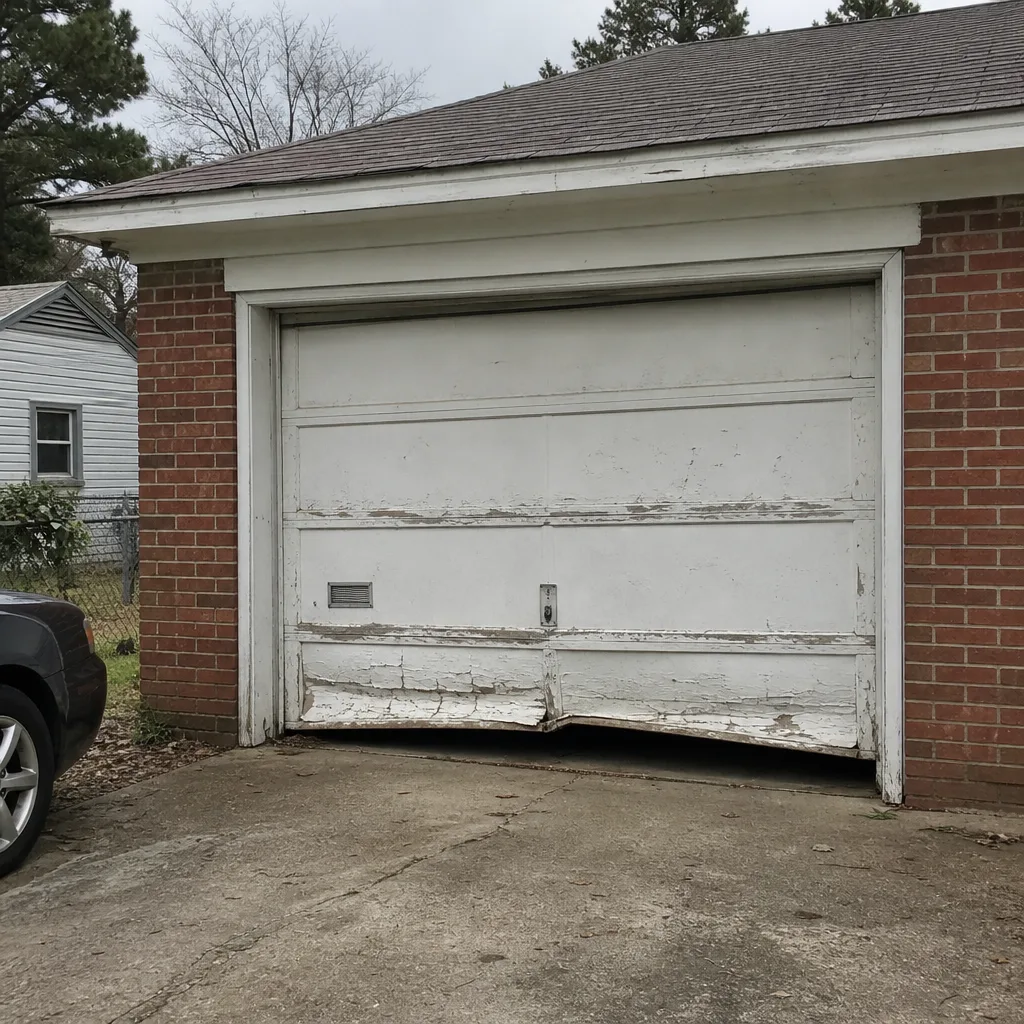 Before
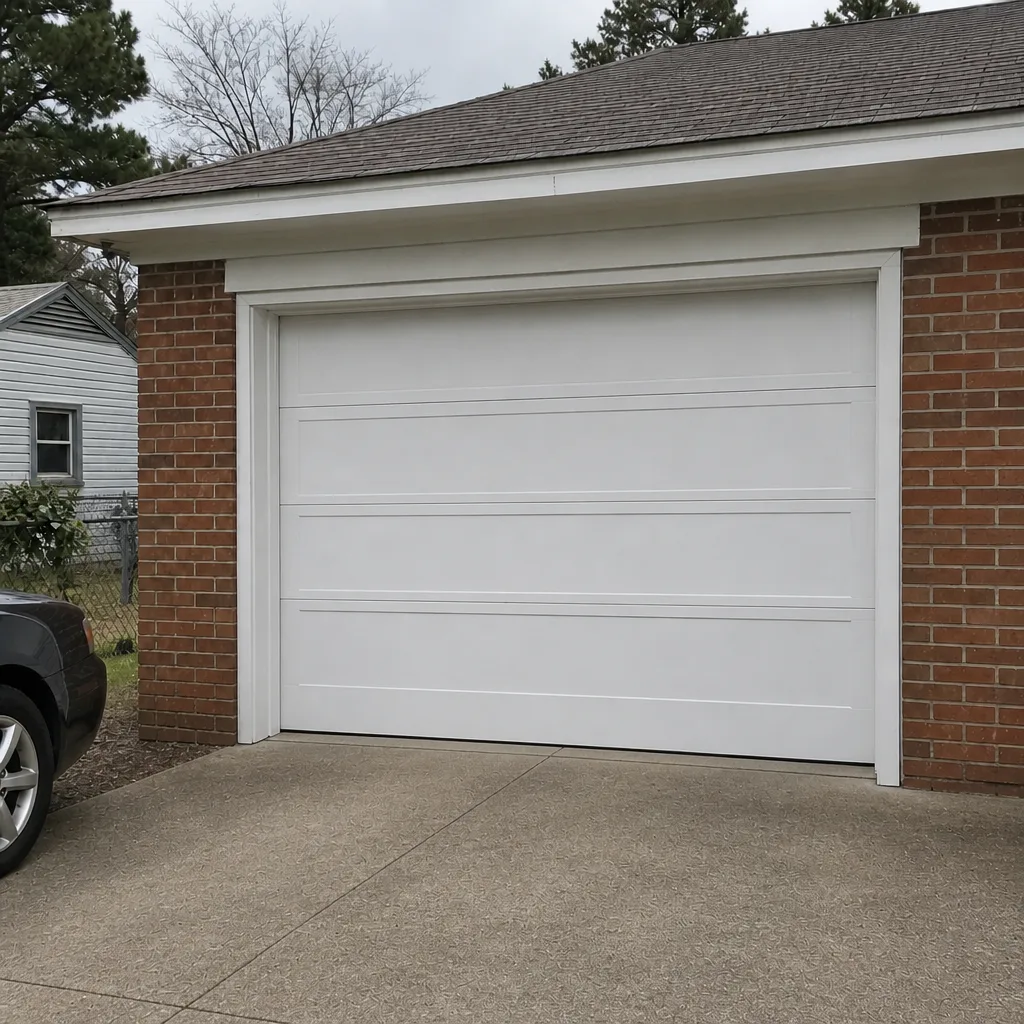 After
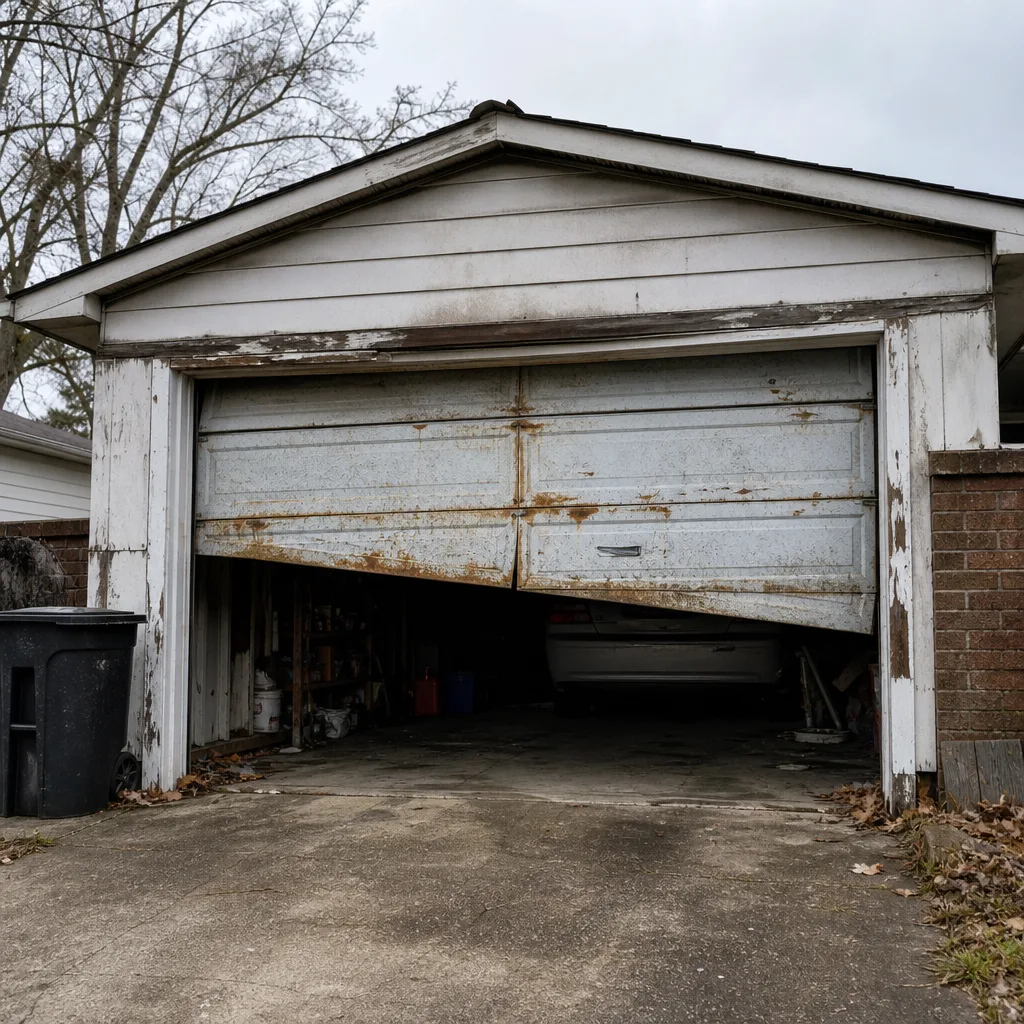 Before
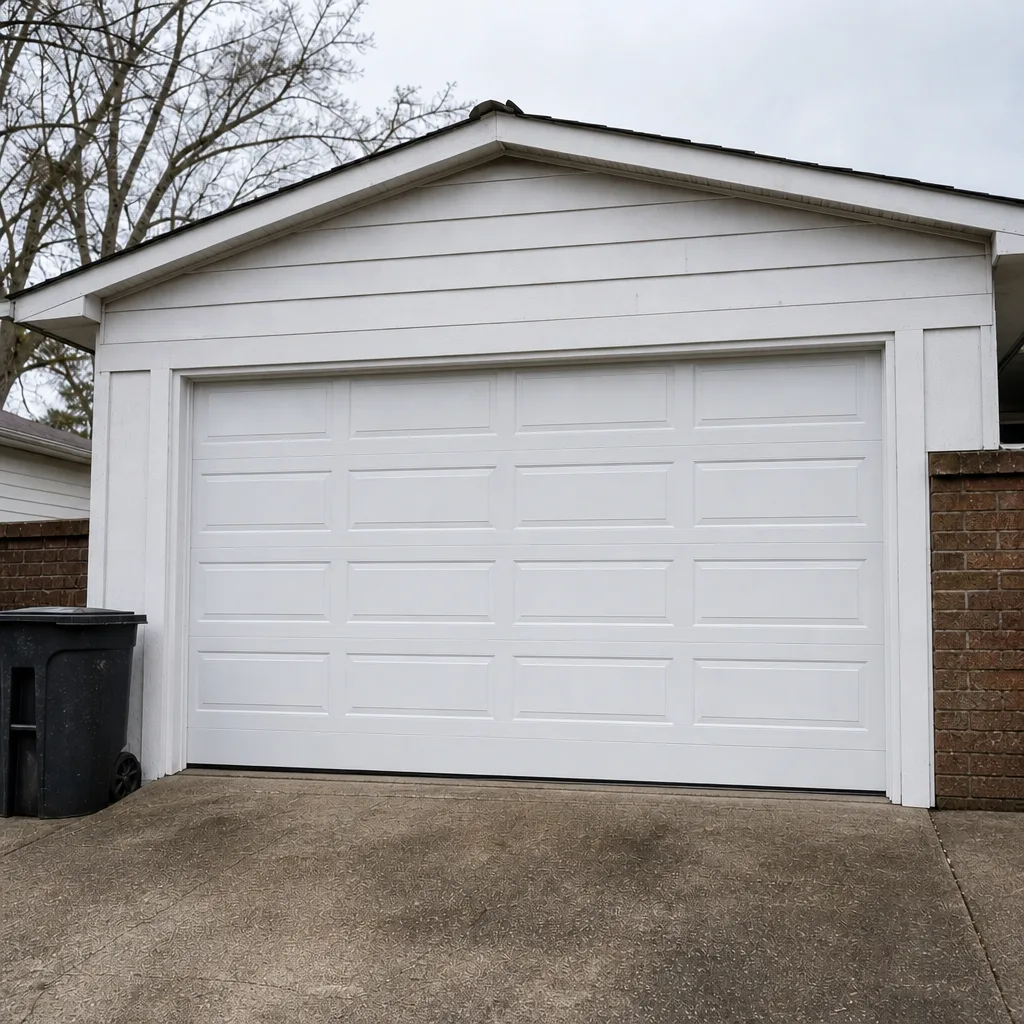 After
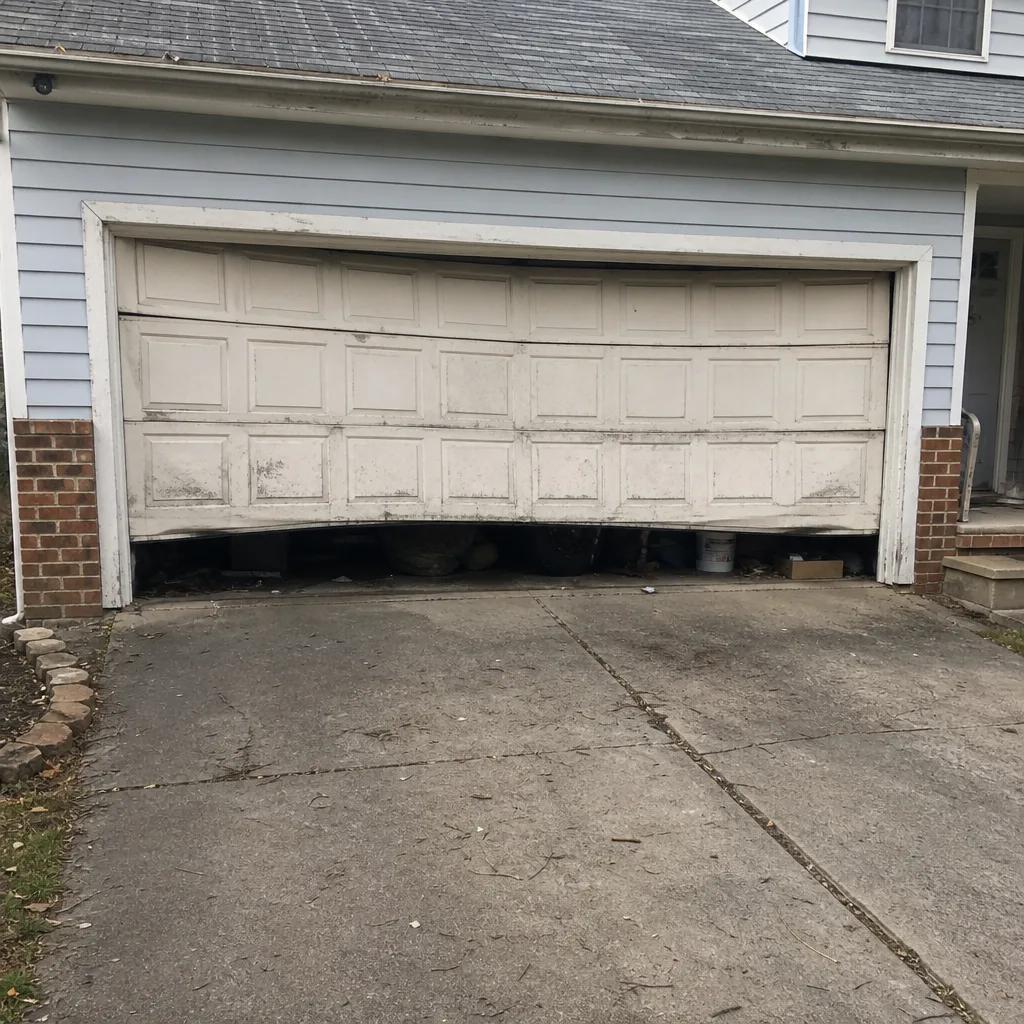 Before
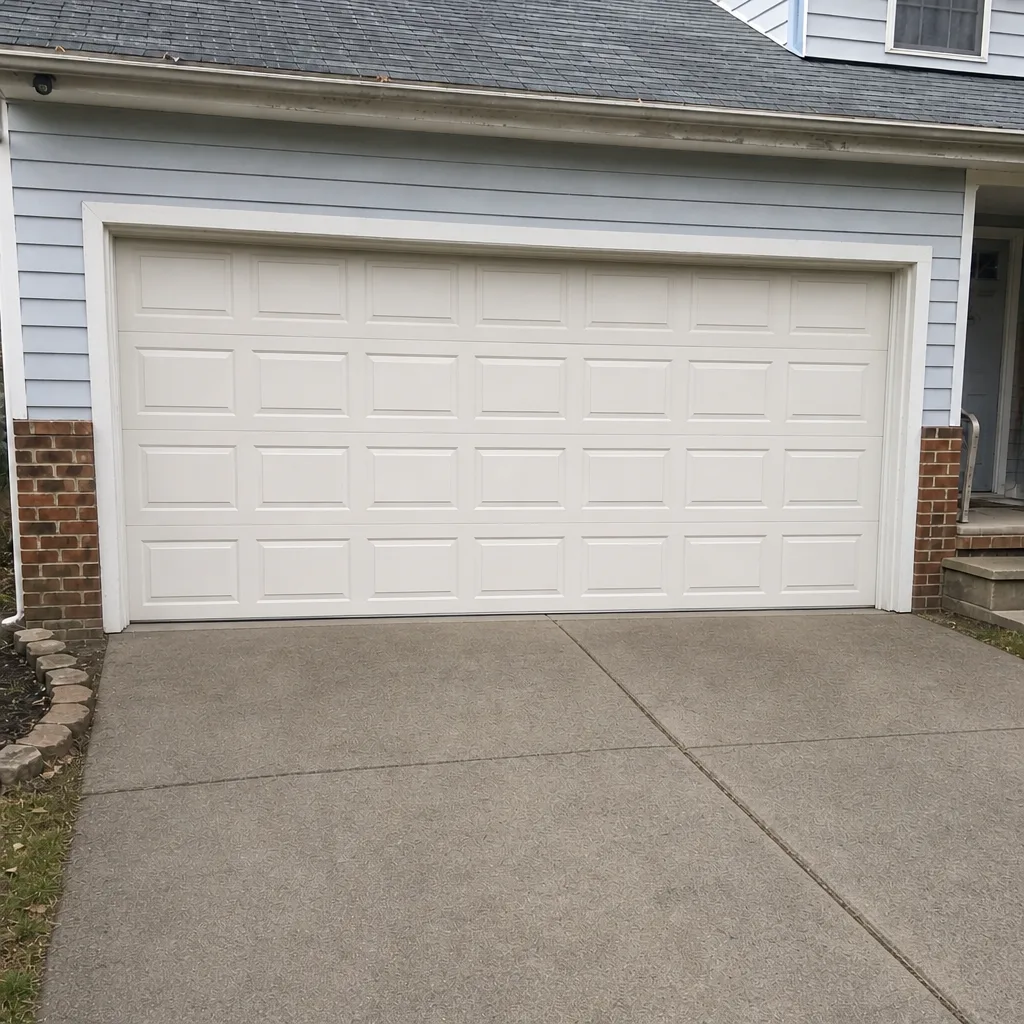 After
When to Call a Professional
Some garage door work is diagnostic and can be done by any careful homeowner – checking the sensors, clearing the tracks, testing the opener, lubricating rollers and hinges. But when a door won’t balance, when a spring sounds or feels wrong, when a cable looks frayed, when the door is reversing or binding, or when you’re weighing a new door against a repair, it’s time to bring in a trained technician. Springs and cables are high-tension and genuinely dangerous, and a door that’s drifting or out of balance can damage the track or the opener if it keeps running. Wind-load and data-plate questions are worth a professional eye too, especially if you’re buying or accepting an install. Juniper Garage Door Repair offers free estimates in Norfolk – call (877) 384-9329. We work on your brand, from the opener motor to the bottom seal. Our technicians have up to 13 years of experience.
Frequently Asked Questions
Manufacturers often quote about 20 years for a well-maintained steel or aluminum door, but in Norfolk’s humidity the hardware and finish age faster than that, so many doors need attention before the calendar suggests. The honest measure is condition, not years. Check the springs, bottom seal, panel finish, and tracks – when those are healthy, the door has years left. Call (877) 384-9329 for an inspection – estimates are free.
Yes – Norfolk is in a coastal hurricane zone, so wind-load ratings matter here, and a replacement door should be matched to what the local building department requires for your address. Check with the City of Norfolk about your specific address and structure type before choosing a door. You can also call (877) 384-9329 and we’ll help you read the data plate on a door you’re considering.
Spring life depends on cycle count and maintenance, but in Norfolk’s damp air, the small corrosion that humidity encourages does shorten a spring’s working life. A spring that’s cycled the same number of times as its twin is right behind it, so we always replace them as a matched pair. If your door feels heavy or sounds different, call (877) 384-9329 – estimates are free.
Yes – we work on the major residential and light-commercial drive systems from LiftMaster, Chamberlain, Genie, and Craftsman among others, so you can call us no matter who installed the opener. We’re brand-agnostic and diagnose the whole system – door, hardware, and opener – before recommending parts. Call (877) 384-9329. We answer 24/7. Fast dispatch from 7am to 7pm, Sunday through Friday.
Sometimes, and sometimes not – it depends on the door’s condition. Springs, rollers, cables, and openers are wear parts, and repairing them is usually the more economical choice when the panels and frame are sound. When the door is failing across the whole assembly or lacks a wind-load rating Norfolk requires, replacement is the honest recommendation. The price is set per job by a written estimate, and estimates are free – call (877) 384-9329.
We answer 24/7. A call outside dispatch hours is booked into the next opening, Sunday through Friday, 7am to 7pm. Call (877) 384-9329. We’re closed on Saturday, so a Saturday call gets booked into Sunday’s dispatch window.
The Bottom Line
Norfolk’s humidity, storm-driven rain, and hurricane-season wind loads mean garage door ownership here isn’t quite the same as it is inland, and the local context is what most generic guides leave out. Watch the springs, bottom seal, and lower tracks more closely than the national advice suggests. Settle the wind-load requirement before you buy or accept a new door, and read the data plate to confirm it. Choose materials for Tidewater, not for a dry climate. And when a door is binding, straining, or weighing on the opener, get it looked at before the small problem becomes a bigger one. Repair first, replace when it makes sense, and always with the right hardware for where you live.
If you’re ready for an honest look at your door, call (877) 384-9329 for a free estimate. We answer 24/7. Fast dispatch from 7am to 7pm, Sunday through Friday. We work on the brand you have, and the written estimate sets the price before any work starts.
Written by the team at Juniper Garage Door Repair.