
Last updated November 15, 2026
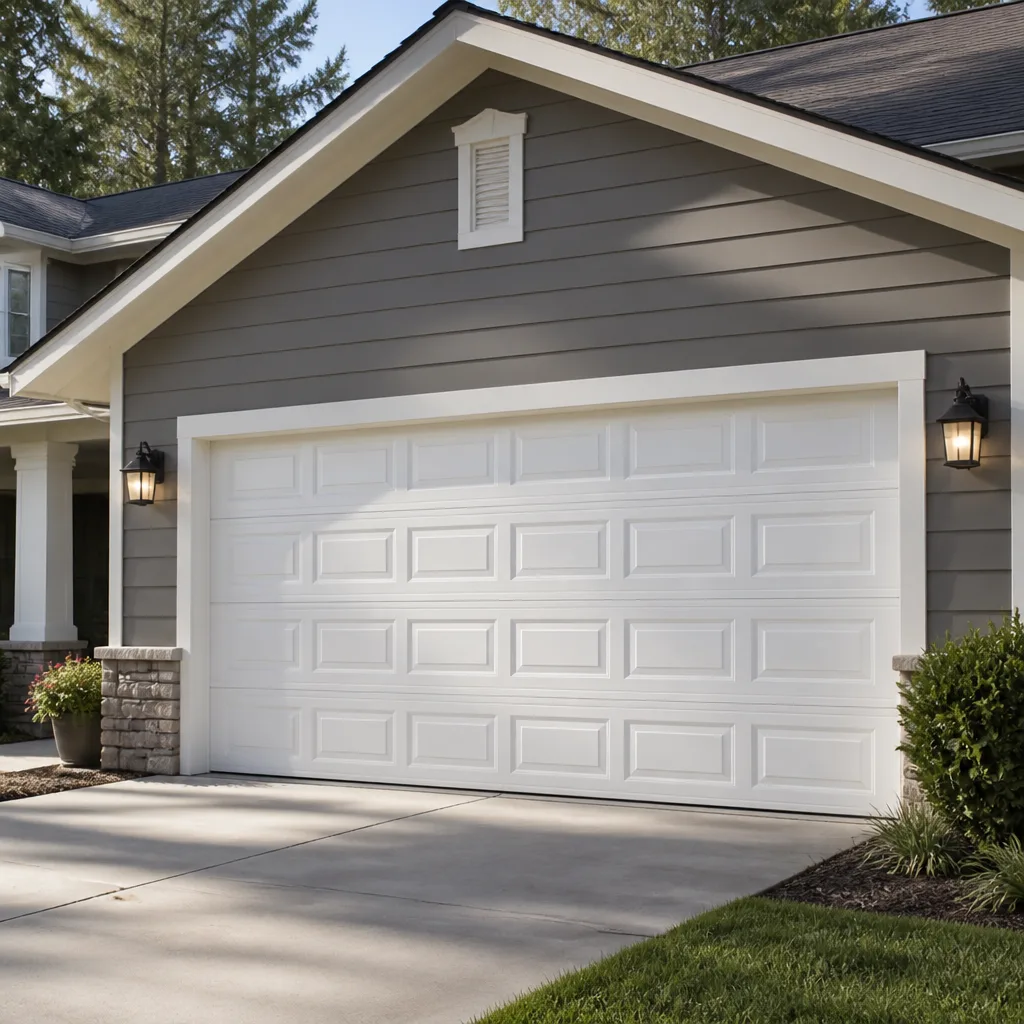 Raised-panel steel
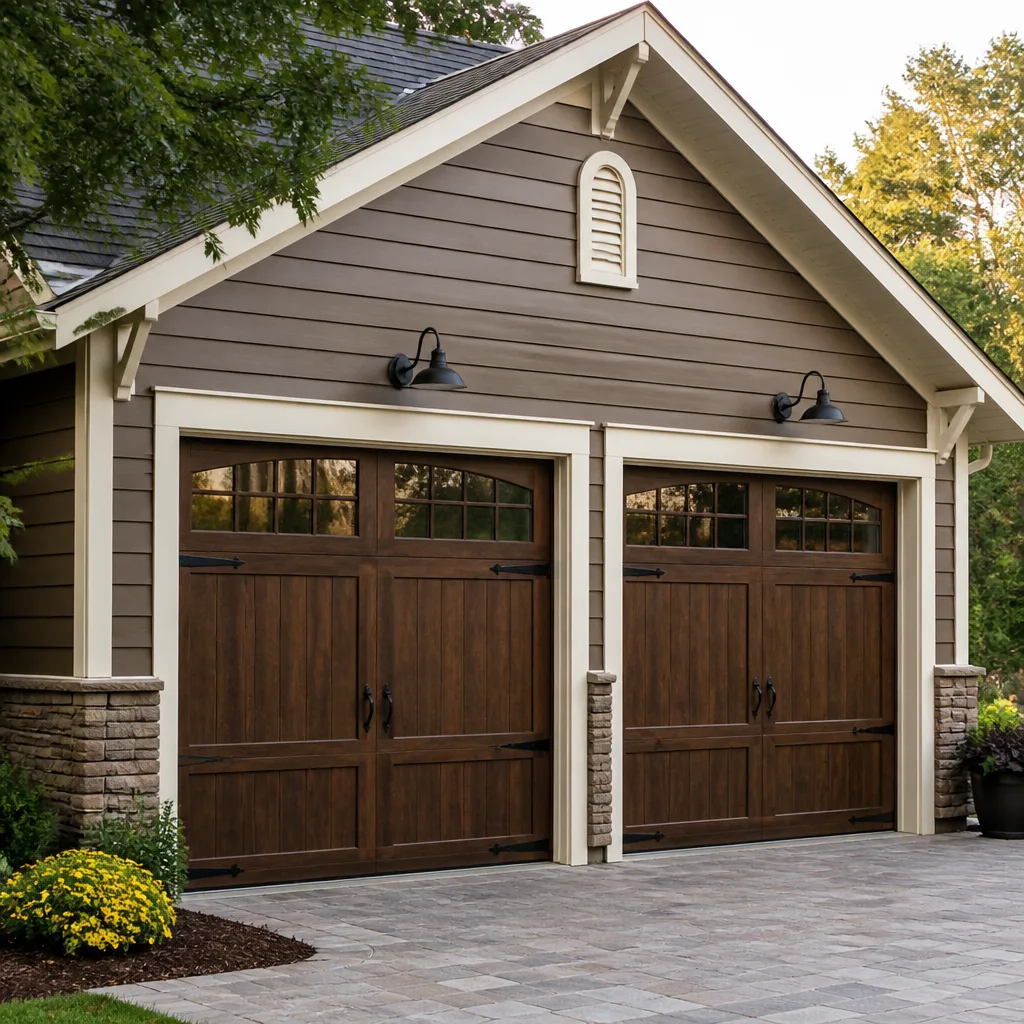 Carriage house
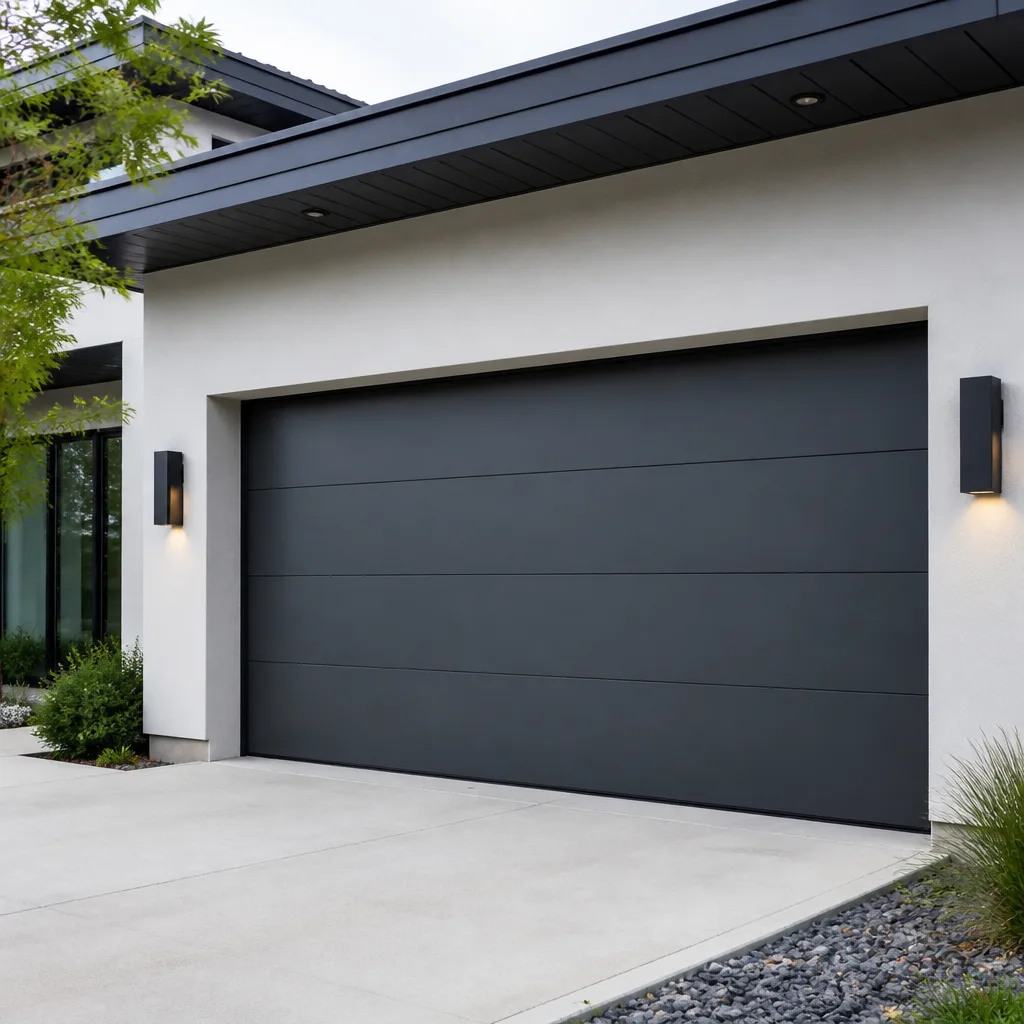 Modern flush
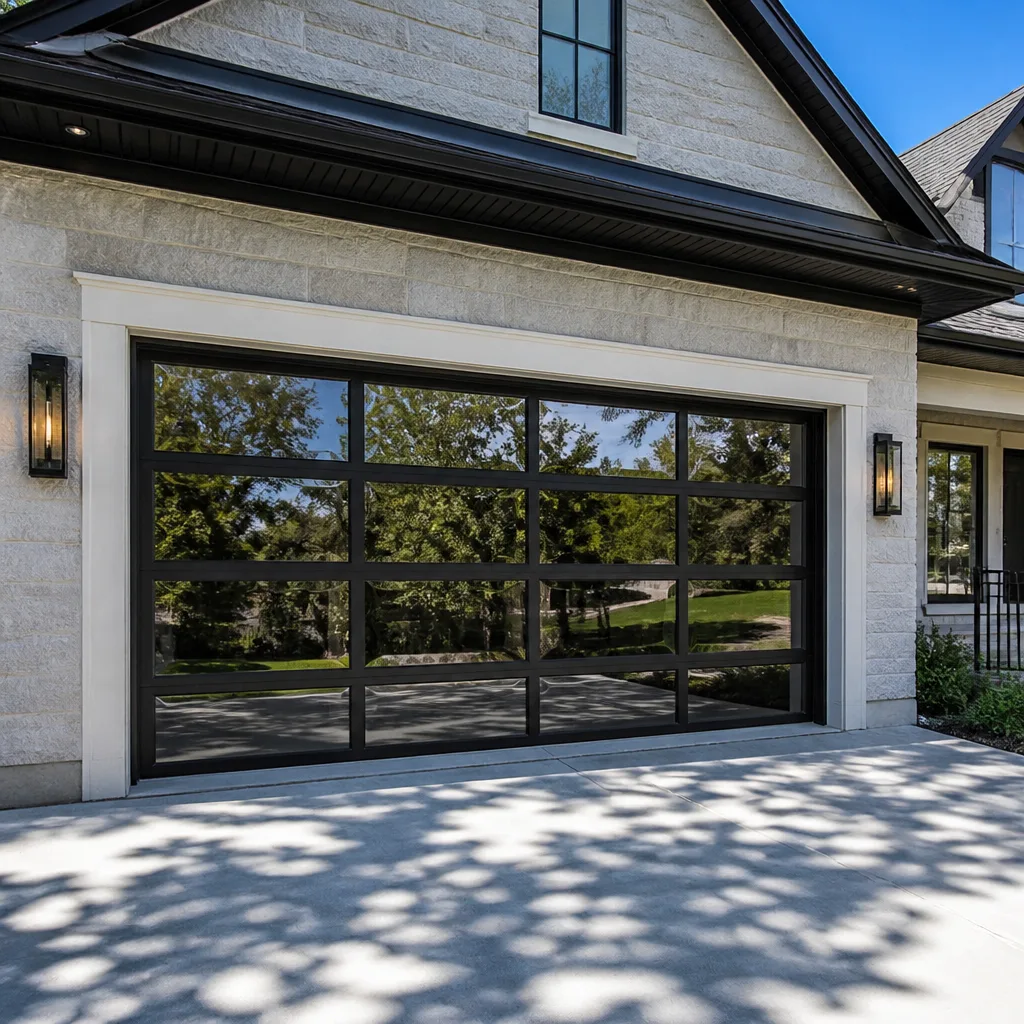 Full-view glass
 LiftMaster openers
 Chamberlain openers
Full 25-point door and opener safety check with every visit - springs, cables, rollers, tracks, and your LiftMaster or Chamberlain opener included
You get a price before we start. It does not change when the pro arrives.
Get your free estimateChoosing the Right Garage Door Brand: A Buyer’s Guide for Norfolk
Most buyers start with the wrong question. They search for the “best” garage door brand, expecting one name to rise above the rest. The better question is simpler and far more useful: which brand can your local technician get parts for quickly, and which door is actually rated for the conditions a Norfolk garage faces? A beautiful door from a manufacturer with a thin regional distribution network can sit broken for a week or more waiting on a single cable drum, while a plainer door from a well-supported brand is back in service by the next visit. Brand matters, but not in the way the showroom brochure suggests. This guide shows you the two spec numbers that matter most in Norfolk, how to read a warranty without getting fooled, and what actually moves when you pay more for a door.
Quick Answer
The right garage door brand in Norfolk is the one with a local parts network, a wind-load rating suited to the door’s exposure, and a finish tested for coastal Virginia’s salt spray. The brand name on the sticker matters far less than those three things. A mid-tier door from Clopay, Amarr, or Chamberlain with strong local service beats a premium door from a brand nobody local can fix quickly. Focus on serviceability and spec first, brand second.
Styles & brands we work with
- Raised-panel steel
- Carriage house
- Modern flush
- Full-view glass
- LiftMaster openers
- Chamberlain openers
Table of Contents
- Why Parts Availability Beats Brand Prestige in Norfolk
- The Two Spec Numbers That Actually Matter Here
- How to Read a Garage Door Warranty (and What Voids It)
- Steel Gauge, Insulation, and Weatherstripping: What Moves with Price
- What Multi-Brand Experience Reveals About Each Manufacturer
- Matching Your Opener Brand to Your Door
- Repair First, Replace Only When It Makes Sense
- The Hampton Roads Market: What’s Actually Sold Here
Why Parts Availability Beats Brand Prestige in Norfolk
When a garage door fails, the clock starts. A broken torsion spring, a snapped cable, a worn drum, a dead opener logic board. Each of those repairs depends on getting the right replacement part. If the part is on a shelf within a day’s reach, the door is back up quickly. If it has to ship from a regional warehouse three states away, your garage opening stays closed longer than you’d like. That gap is where brand choice quietly becomes a service decision.
In our experience across Norfolk, the brands that hold up best for homeowners aren’t always the ones with the slickest national ads. They’re the ones with distribution that actually reaches Hampton Roads. LiftMaster and Chamberlain openers, for example, use components that are widely stocked because they’re installed in huge numbers across the region. Genie has a similarly deep bench. Door manufacturers like Clopay and Amarr tend to have reliable dealer networks, which means panels, bottom seals, and hinges are findable. Wayne Dalton and Raynor are also well supported, though specific model parts may need a day or two of lead time depending on the component.
Here’s the practical rule we’d give any Norfolk buyer: before you commit to a door brand, ask the installer one question. “If the bottom section gets damaged, how long until you can get a replacement?” If the answer is vague or involves “we’ll have to check with the manufacturer,” that’s useful information. If the answer is concrete, you’re talking to someone with a real service relationship with that brand.
What “local parts network” actually means
- Dealer stock: The manufacturer has authorized dealers in the region who carry common parts.
- Regional warehouse: A distribution point within a few hundred miles that can ship quickly.
- Cross-compatibility: Some components (springs, cables, rollers, hinges) are standardized enough that they’re available regardless of door brand.
- Opener ecosystem: For openers, the brand matters more than the door, because opener parts aren’t cross-compatible the way door hardware is.
If you’re already dealing with a broken door and want it fixed rather than replaced, our garage door repair team can tell you within a visit whether your brand is serviceable or whether the part will take time to source.
The Two Spec Numbers That Actually Matter Here
Every garage door comes with a spec sheet. Most of it is marketing garnish. Two numbers on that sheet do real work in Norfolk: the wind-load rating and the salt-spray finish certification. If you only learn two specs from this guide, make it these.
1. Wind-load rating
A garage door is the largest single opening in your home’s envelope. In a wind event, that opening takes pressure the rest of the facade doesn’t. The wind-load rating tells you how much pressure the door system (door, tracks, reinforcement, and hardware) is designed to withstand. It’s usually expressed in pounds per square foot (psf) or as a design pressure rating. The higher the number, the more the door has been engineered for high-wind exposure.
Norfolk sits in a region where wind events aren’t hypothetical. The wind-load rating you need depends on the door’s exposure, the home’s construction, and local code requirements. We won’t tell you a specific number to demand, because it depends on your house and your engineer. What we will say is that any door sold into Norfolk without a stated wind-load rating deserves a second look. When you compare brands, put their wind-load ratings side by side and ask whether the reinforcement hardware that achieves that rating is included or an add-on.
2. Salt-spray finish certification
Coastal Virginia’s air carries salt. That’s not a scare tactic, it’s chemistry. Salt accelerates corrosion on steel, and a garage door is a large steel surface. The finish matters enormously. Manufacturers who engineer for coastal markets often submit their finishes for salt-spray testing and can show certification to a recognized standard. That certification tells you the finish has been tested against accelerated corrosion and survived a defined duration.
When you’re comparing doors, ask specifically: “What salt-spray standard has this finish been tested to, and can I see documentation?” If the manufacturer can’t answer, that’s your answer. A finish with no salt-spray certification is a finish that has never been tested against what Norfolk’s air will do to it. A door with a certified finish and a slightly higher price often costs less over its lifetime than a cheaper door that pits and fades.
If you’re exploring installation options and want to know which brands and models meet these two specs for your specific home, our team at Juniper Garage Door Repair can walk you through it honestly, because we work on every major brand.
How to Read a Garage Door Warranty (and What Voids It)
A garage door warranty looks generous until you read the fine print. Most manufacturers offer a tiered warranty: lifetime on some parts, five years on others, one year on labor. The gap between what’s advertised and what’s actually covered is where homeowners get surprised. Here’s how to read one without getting misled.
- Separate the parts warranty from the labor warranty. The manufacturer typically covers the part. The installer typically covers the labor. Many homeowners assume the manufacturer covers both. They don’t.
- Find the “what voids this warranty” section. It’s usually near the back. Common void triggers include improper installation, failure to follow the listed maintenance, use of non-approved replacement parts, and installation in conditions the manufacturer didn’t design for.
- Check whether the finish is covered. Many warranties exclude finish defects or cover them only for a short period. Given the salt-air exposure here, this matters more than a lifetime hardware warranty.
- Identify who actually backs it. A warranty backed by the manufacturer travels with the door. A warranty backed only by the installer is only as good as that installer’s ongoing presence in the market. When you’re buying in Norfolk, ask who will honor the warranty if the installer closes or moves.
- Keep your documentation. Warranty claims usually require proof of installation date, model number, and maintenance records. Keep the paperwork in a folder that survives a garage clean-out.
The brand-agnostic approach matters here. When we diagnose a warranty question for a homeowner in Norfolk, we’re not trying to push a replacement door that benefits one brand’s dealer. We’re reading the same fine print you’d read, and telling you what’s actually covered.
Steel Gauge, Insulation, and Weatherstripping: What Moves with Price
Garage doors come in tiers, and the price gap between tiers is real. The question every buyer should ask is: what actually changes as you go up? Some changes are genuine engineering. Others are cosmetic, and knowing which is which saves you money.
Steel gauge
Gauge is thickness. In steel, a lower gauge number means thicker steel. A 24-gauge door is thinner than a 27-gauge door, though many manufacturers count gauge on the facing material, not the full section. Thicker steel resists denting better and holds its shape through years of use. On a Norfolk home with a door facing wind and weather, thicker steel is worth paying for. What isn’t worth paying for: a thicker steel face paired with the same thin internal struts. The struts are what hold the door rigid in wind. So the question isn’t just “what gauge is the steel?” but “what gauge is the steel and what’s the structural reinforcement?”
Insulation
Insulation matters for comfort and for energy loss through a large opening. The rating is expressed as an R-value. Higher R-value means better insulation. But here’s where marketing kicks in: some brands advertise an R-value that only applies to the center of the panel and doesn’t account for the door’s edges, seams, or frame. The honest number is the whole-door R-value. Ask the manufacturer for the whole-door R-value and compare it against the advertised number. If the two are very different, you’ve learned something about that brand’s approach.
Weatherstripping
The bottom seal, the perimeter weatherstrip, the threshold. These are the humble parts that keep wind, water, and pests out. They also wear out faster than the door itself. A door with high-end steel and a cheap bottom seal is a door that will let air in within a few years. We’ve seen plenty of Norfolk doors where the steel was in great shape but the bottom seal had gone brittle from UV exposure and was letting water in. Weatherstrip quality is one of the few places where paying more actually costs less over time. It’s cheap to replace, but only if you know to check it.
What’s mostly marketing
- Cosmetic panel profiles that don’t affect durability
- Novel color names for the same paint system
- Insulation R-values that only apply to the center of the panel
- Window options that trade structural strength for appearance
- Brand-name hardware on a door whose underlying engineering is the same as a less-expensive competitor
What Multi-Brand Experience Reveals About Each Manufacturer
When you work on a lot of garage doors from a lot of brands, patterns emerge. Some manufacturers build for longevity; their parts fit together with tight tolerances, their springs hold tension well, their openers are engineered for the long haul. Others build for the initial sale; the door looks great on day one and starts grinding within a few years. This guide won’t rank the brands against each other, because the honest ranking depends on the model, and every brand makes both good and mediocre products. But we can tell you what to look for when you’re evaluating any brand.
The signals of long-term build quality we look for:
- Service documentation. The manufacturer publishes service manuals and parts diagrams. Their parts are findable. This is the single strongest predictor of long-term ownership cost.
- Hardware standardization. The brand uses standard hardware sizes where the industry allows it. This makes aftermarket parts viable.
- Component pairing. The door’s reinforcement hardware and the door’s weight are engineered for each other, not bolted on later.
- Opener compatibility. The door is designed to work with a range of opener brands rather than only its own, which gives you freedom when the opener needs replacement.
- Finish depth. The paint or coating system is applied with proper prep and cure. Cheap finishes flake and lose their gloss quickly.
Chamberlain and LiftMaster openers, for example, have a reputation for being widely serviceable because their parts are abundant and their designs are familiar to most technicians. Clopay and Amarr doors tend to have strong service documentation and clear parts diagrams. Genie openers are common enough that their parts are on most technicians’ short list. None of that is a ranking. It’s a note about which brand’s service network is easier to work with in a local market like Norfolk.
When a technician has to guess at a brand’s quirks, the repair takes longer and can cost more. That’s the real reason brand familiarity matters. Our team at Juniper is factory-familiar with eight of the industry’s most common brands, which means when your door is in trouble we diagnose it against a mental library of known issues rather than learning on the job.
Matching Your Opener Brand to Your Door
Buyers often treat the opener as an afterthought. In practice, the opener is the brand you’ll interact with daily, and its compatibility with your door determines how smoothly the system runs. The opener handles lifting forces, controls speed, and manages the safety reverse. A mismatch between a heavy door and a lightweight-claiming opener is a shortcut to premature failure.
What to know when matching an opener to a door:
- Match lifting capacity to door weight. Every opener has a rated pull. A heavy insulated door needs an opener rated for it. A belt-drive opener on a door that’s too heavy for it will wear out its drive quickly.
- Confirm the safety reverse works with your door. The opener’s safety reverse uses either a mechanical edge or a photoelectric beam. Whichever your opener uses, it has to work with your door’s edge sealing and track height. This is where a technician’s experience matters, because a poorly matched safety reverse can fail in ways a homeowner won’t detect until the door comes down on something.
- Check the opener’s track compatibility. Some opener brands are designed around a specific rail length and mounting configuration. If your door’s track system doesn’t match, the opener install gets harder.
- Confirm remote and connectivity compatibility. If your household uses multiple remotes or a keypad, choose an opener ecosystem that supports them cleanly. Chamberlain and LiftMaster are common choices because their ecosystems are mature.
If you’re buying an opener, ask whether your technician is set up to service that opener brand locally. An opener brand with no local service support is a liability. That’s why we keep our garage door opener repair capability broad and cover the most common residential and light-commercial drives.
Repair First, Replace Only When It Makes Sense
A brand-new door is a big purchase. Before you make it, confirm that a repair isn’t the smarter choice. The list of garage door problems that get solved with a repair is longer than most homeowners expect.
- Spring failure. A broken torsion spring is a common failure and a straightforward repair. The door itself is usually fine.
- Cable or drum damage. Lifting cables and cable drums wear out. Replacement is routine.
- Rollers and hinges. Worn rollers cause squeaking and rough operation. Cheap to replace, big improvement.
- Bottom seal. A cracked bottom seal lets weather in. Replacing it is fast.
- Opener logic board or drive gear. If the opener is dead but the door is sound, repair the opener, not the door.
- Panel damage. A single damaged panel can often be replaced rather than replacing the whole door, if the brand is still producing that model or a compatible panel exists.
Replacement makes sense when the door’s structure is compromised, when panels are discontinued and no compatible part is available, when the door’s wind-load rating no longer meets requirements, or when the door’s finish has failed so badly it can’t be restored. We tell homeowners which situation they’re in honestly, because our business is service, not sales. If your door only needs a spring, we’d rather fix the spring than sell you a new door.
The Hampton Roads Market: What’s Actually Sold Here
Norfolk is part of a larger Hampton Roads market, and that market has its own distribution reality. Some brands dominate the showroom floor. Others have thinner dealer networks. Knowing which brands are supported locally helps you avoid the trap of buying a door whose parts will always be on backorder.
What we see installed across Norfolk homes:
- Clopay and Amarr: Common door brands in the region with strong distributor support and clear parts documentation.
- Wayne Dalton and Raynor: Also well represented, with parts generally findable for current models.
- LiftMaster and Chamberlain: Widespread openers with well-known service procedures and abundant aftermarket parts.
- Genie: Common opener brand with parts broadly available.
- Older or specialty brands: Parts lead time can be longer, which makes servicing more expensive.
If you’ve moved into a Norfolk home with a brand you don’t recognize, that’s a signal to have a technician look at it before a small problem becomes an emergency. Brands that were sold here twenty years ago may no longer be actively distributed, which means a repair can depend on aftermarket or salvage parts. Knowing your brand now, before something breaks, is the cheapest way to protect yourself.
We offer a free estimate on any repair or installation job, and we can tell you quickly whether your door’s brand is serviceable locally. If you’d rather not wait for a surprise, a quick assessment is worth doing early. We answer 24/7. Fast dispatch from 7am to 7pm, Sunday through Friday.
Common Mistakes to Avoid
- Buying on the name alone. A premium brand name on a door whose parts aren’t local is a slow repair waiting to happen. Always ask your installer how fast they can get replacement parts for the exact model you’re considering.
- Skipping the wind-load rating. In Norfolk’s climate, a door with no stated wind-load rating is a door that wasn’t engineered for the exposure. Ask for the rating in writing.
- Assuming the warranty covers labor. Most manufacturer warranties cover the part only. Confirm who covers labor and for how long before you sign.
- Ignoring the bottom seal. Homeowners focus on panels and openers. The bottom seal is what keeps water out, and it fails years before the door does. A quick visual check catches the problem early.
- Replacing the whole door when a part would fix it. Spring, cable, roller and opener failures are repairs, not replacements. Get a diagnosis before you commit to a door.
- Choosing an opener with no local service. An opener brand your local technician has never seen will slow the repair and can void a warranty that requires an approved installer.
- Trusting a brochure’s R-value. Ask for the whole-door R-value, not the panel center. The difference reveals how a manufacturer measures what they claim.
See the difference
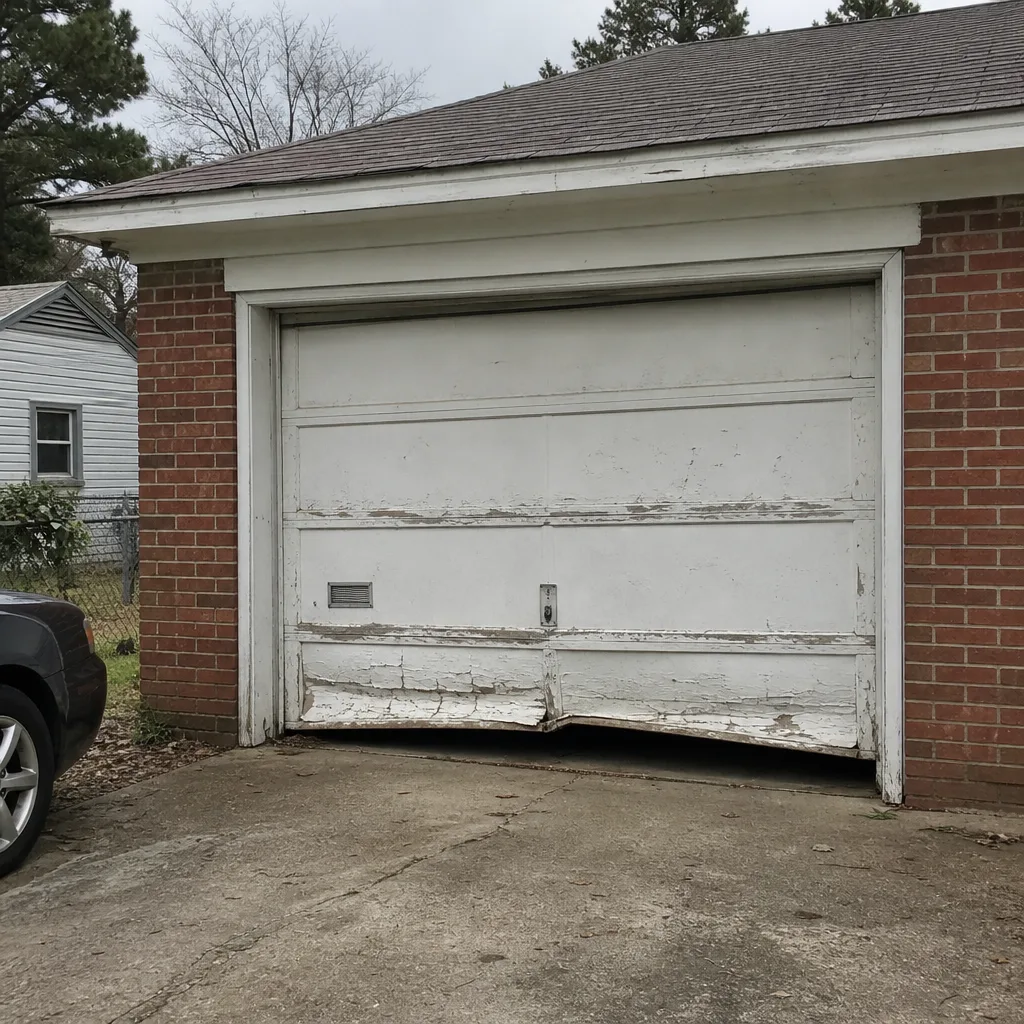 Before
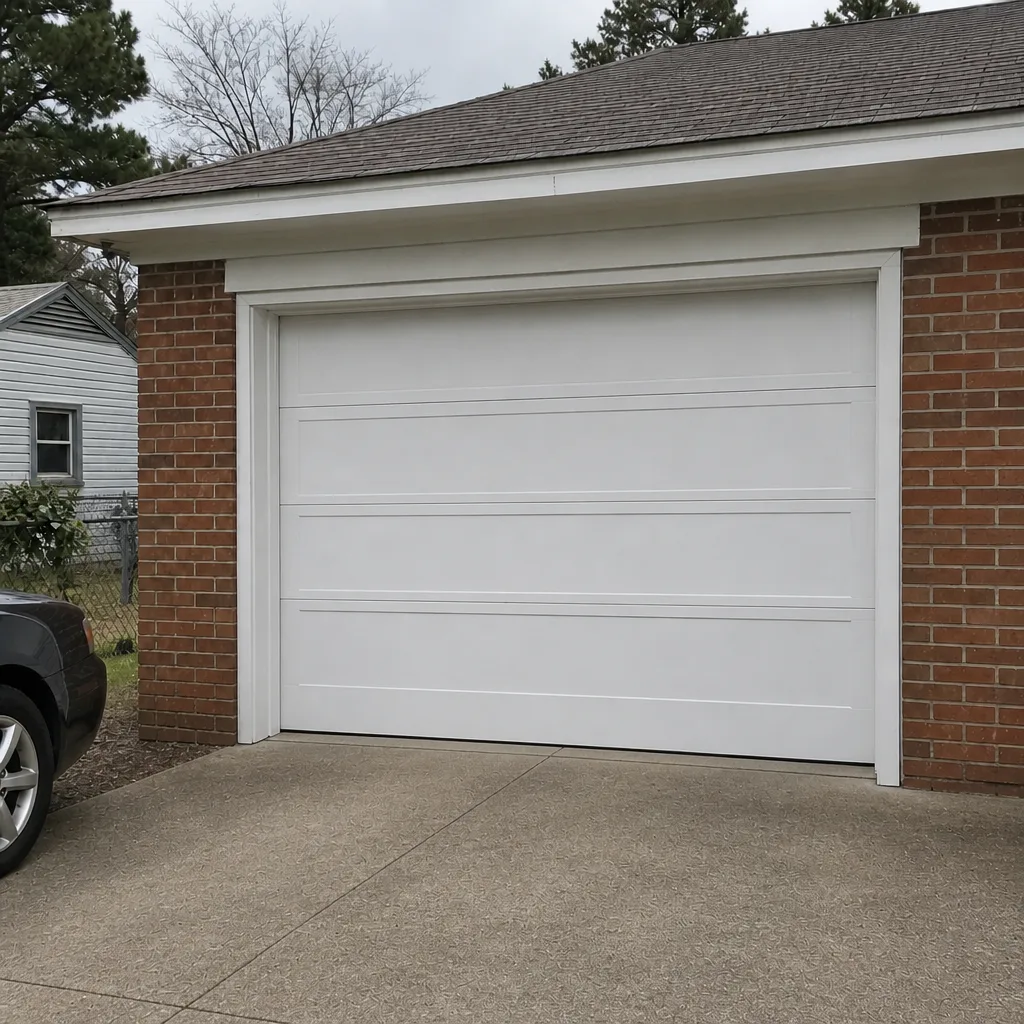 After
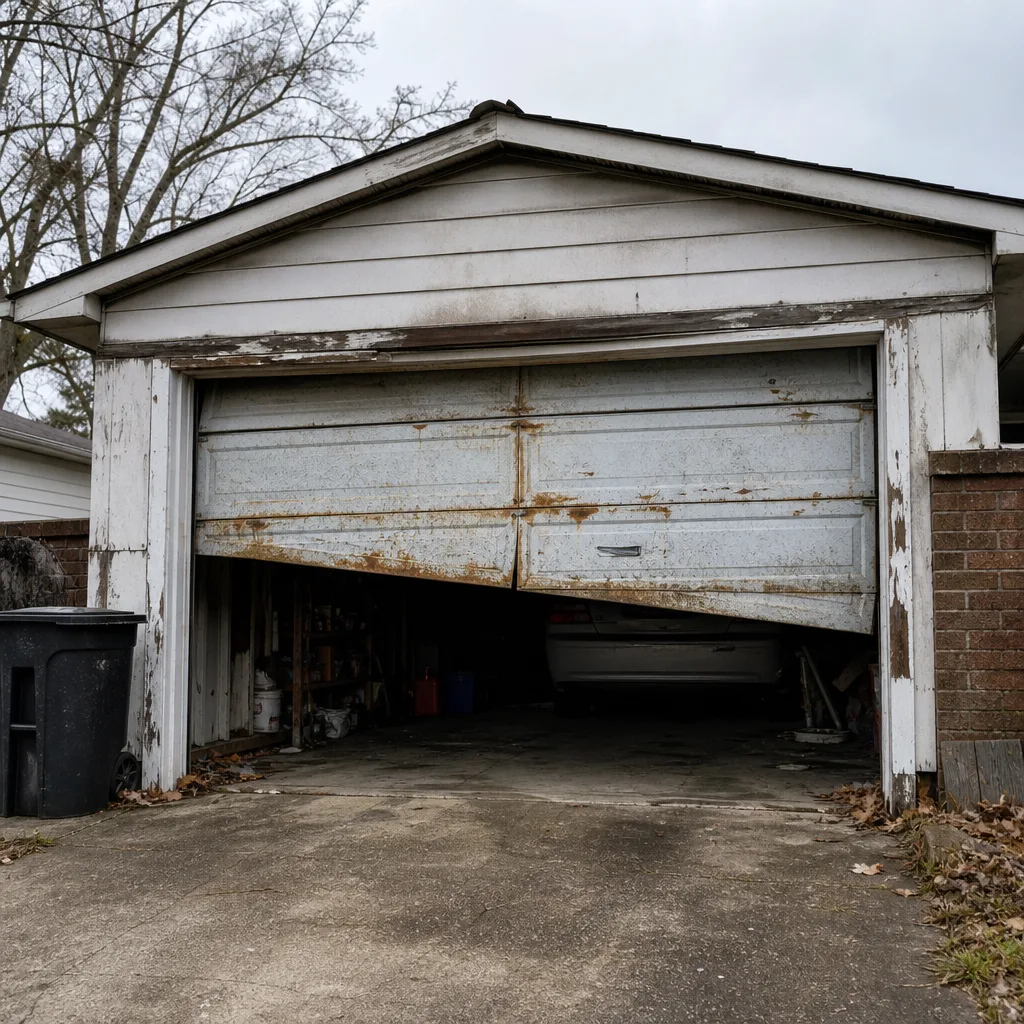 Before
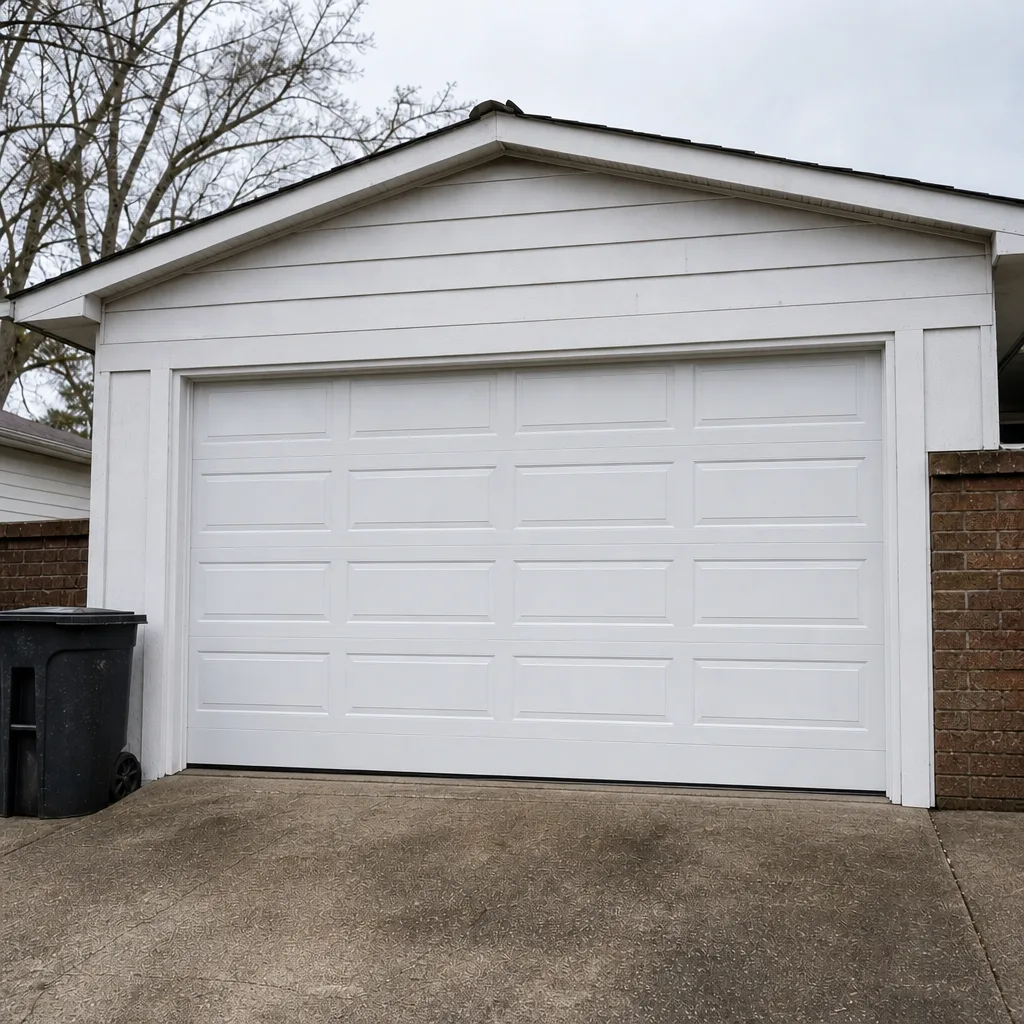 After
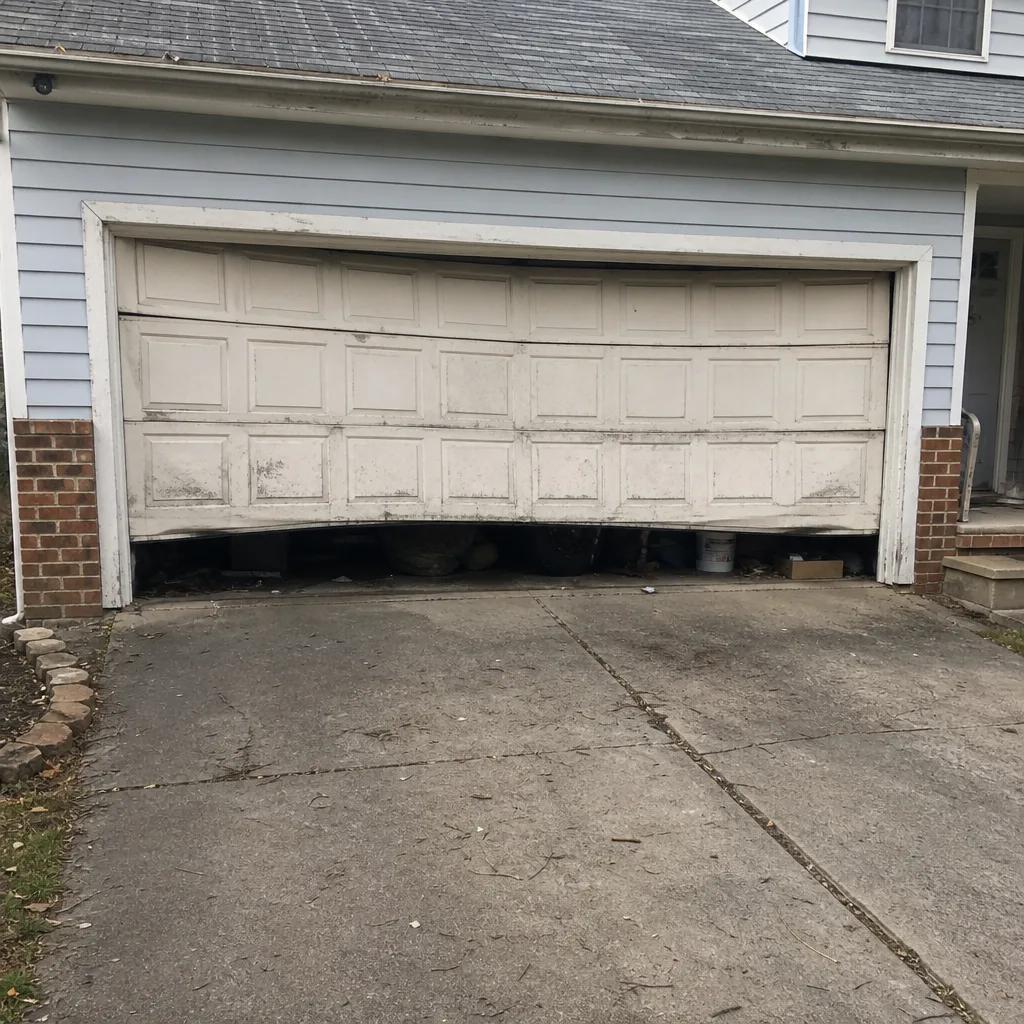 Before
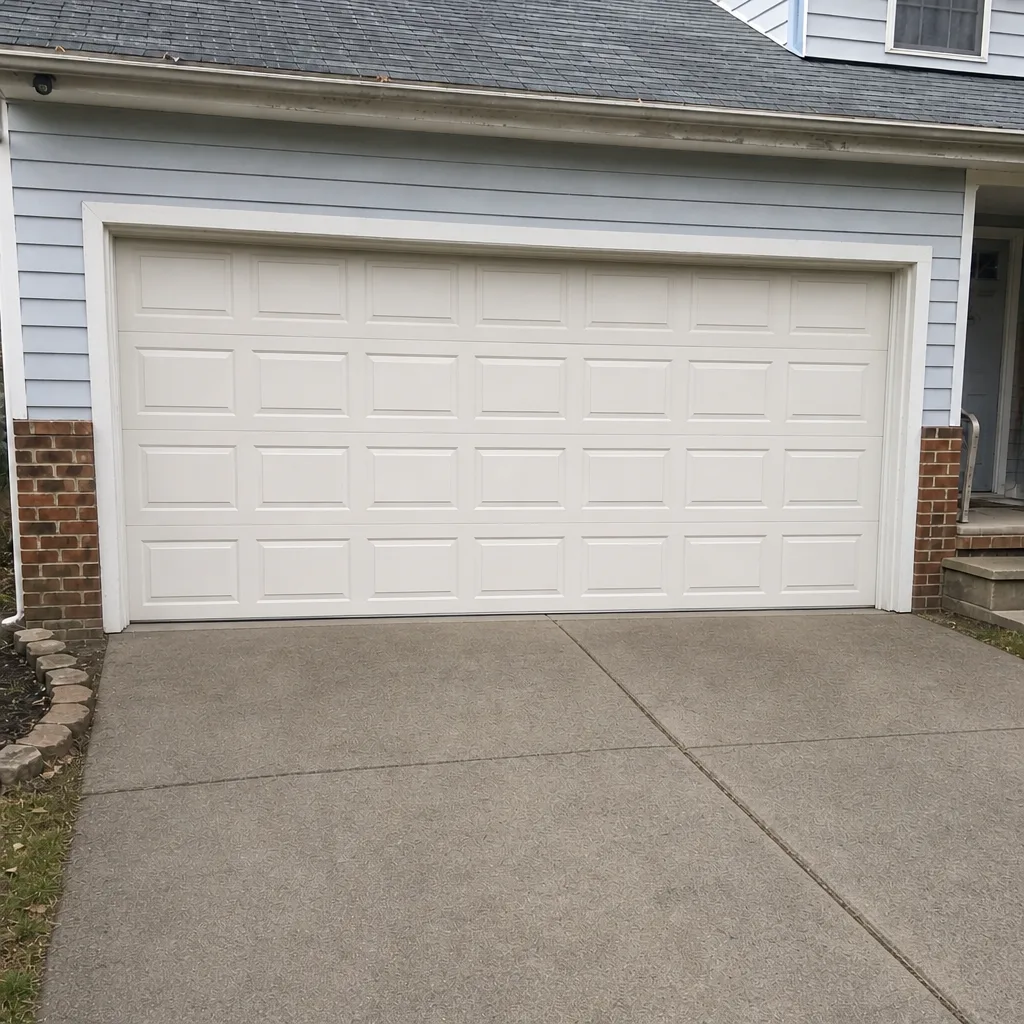 After
When to Call a Professional
Some garage door problems need a professional, and not just because of the tools. Springs, cables and drum systems store enormous tension. A mistake with a torsion spring or a cable can cause serious injury, so this is not work we recommend homeowners do themselves. Call us when a spring breaks, when the door feels unusually heavy or drops quickly, when the opener reverses inconsistently, or when you hear grinding, popping or scraping from the tracks. Call us if you’re evaluating a brand-new installation and want a second opinion on wind-load rating and salt-spray finish. And call us before you commit to a repair if you’re unsure whether your door’s brand is still serviceable locally. Juniper Garage Door Repair offers free estimates in Norfolk. Reach us at (877) 384-9329. We answer 24/7, with fast dispatch from 7am to 7pm, Sunday through Friday.
Frequently Asked Questions
There’s no single best brand. The best brand for you is the one with a strong local parts network, a wind-load rating suited to your door’s exposure, and a salt-spray-certified finish. Clopay, Amarr, Chamberlain and LiftMaster are all common in Hampton Roads and well supported locally, but the model matters more than the name. Call (877) 384-9329 for a free estimate so we can look at your specific door and options.
We service eight of the most common brands: LiftMaster, Chamberlain, Genie, Clopay, Amarr, Wayne Dalton, Craftsman, and Raynor. That range covers the overwhelming majority of residential doors in Norfolk. For a brand we don’t carry parts for directly, we’re often able to source from distributors in the region. Call (877) 384-9329 and we’ll tell you honestly whether your brand is serviceable.
Sometimes, yes, but not for every buyer. In this climate, three upgrades genuinely pay back over time: a higher wind-load rating, a salt-spray-certified finish, and thicker steel with proper structural reinforcement. What doesn’t pay back is cosmetic panel detail or an R-value that only applies to the center of the panel. Ask for the whole-door spec, not the marketing number. Call (877) 384-9329 for a free consultation.
A warranty is only as good as the manufacturer backing it and the parts actually being available. Read the “voids” section carefully, confirm what’s covered versus what’s excluded, and check whether the finish is included. Then confirm the manufacturer is still producing parts for that model. A warranty on a discontinued door is a piece of paper. Call (877) 384-9329 if you want a second opinion on a specific warranty.
Usually, yes. Most openers are compatible with most doors as long as the opener’s lifting capacity matches the door’s weight and the safety reverse works with the door’s edge and track. The key is to match the opener’s rated pull to your door, and to confirm the opener brand you choose is serviceable locally. LiftMaster and Chamberlain are common choices for exactly that reason. Call (877) 384-9329 to talk through compatibility for your specific door.
With proper maintenance and a door that’s spec’d for coastal Virginia conditions, a garage door should serve for many years before replacement. The steel and structure usually outlast the finish, the weatherstrip, and the opener. The variables that shorten a door’s life are salt-air exposure, weatherstrip failures, and inadequate wind-load engineering. The best defense is a well-spec’d door from the start, kept dry and regularly checked. Call (877) 384-9329 to have your door assessed.
The Bottom Line
Brand choice matters, but not for the reasons most buyers think. In Norfolk, the right garage door brand is the one whose parts are findable locally, whose wind-load rating matches your home’s exposure, and whose finish has been tested against the region’s salt spray. A mid-tier Clopay, Amarr, Chamberlain or Genie door with strong service support beats a premium door nobody local can fix. Read the warranty carefully, ask for the whole-door R-value, and check the bottom seal every year. If you’re unsure whether a repair or replacement makes sense, get a diagnosis first. Our team at Juniper Garage Door Repair works on every major brand, and we offer free estimates across Norfolk. Call (877) 384-9329. We answer 24/7, with fast dispatch from 7am to 7pm, Sunday through Friday.
Written by the team at Juniper Garage Door Repair.