
Last updated November 15, 2026
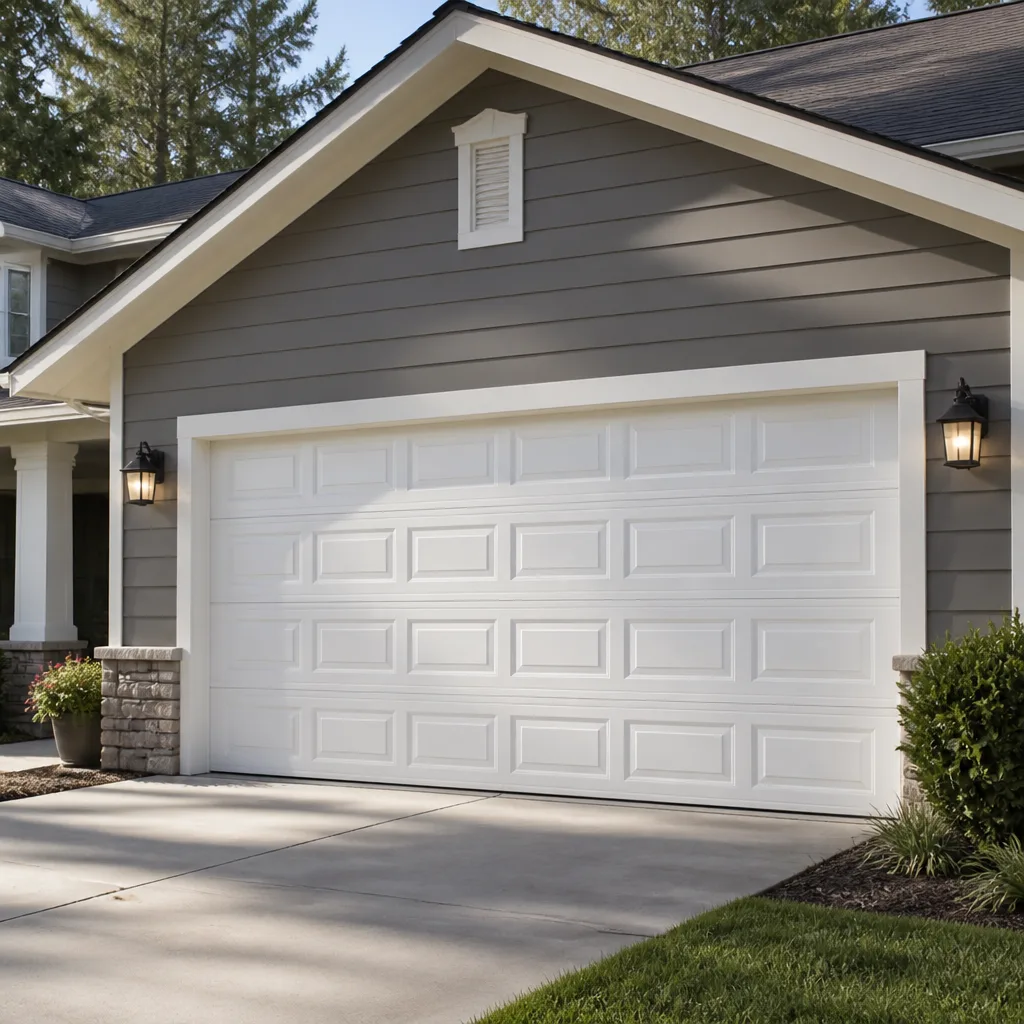 Raised-panel steel
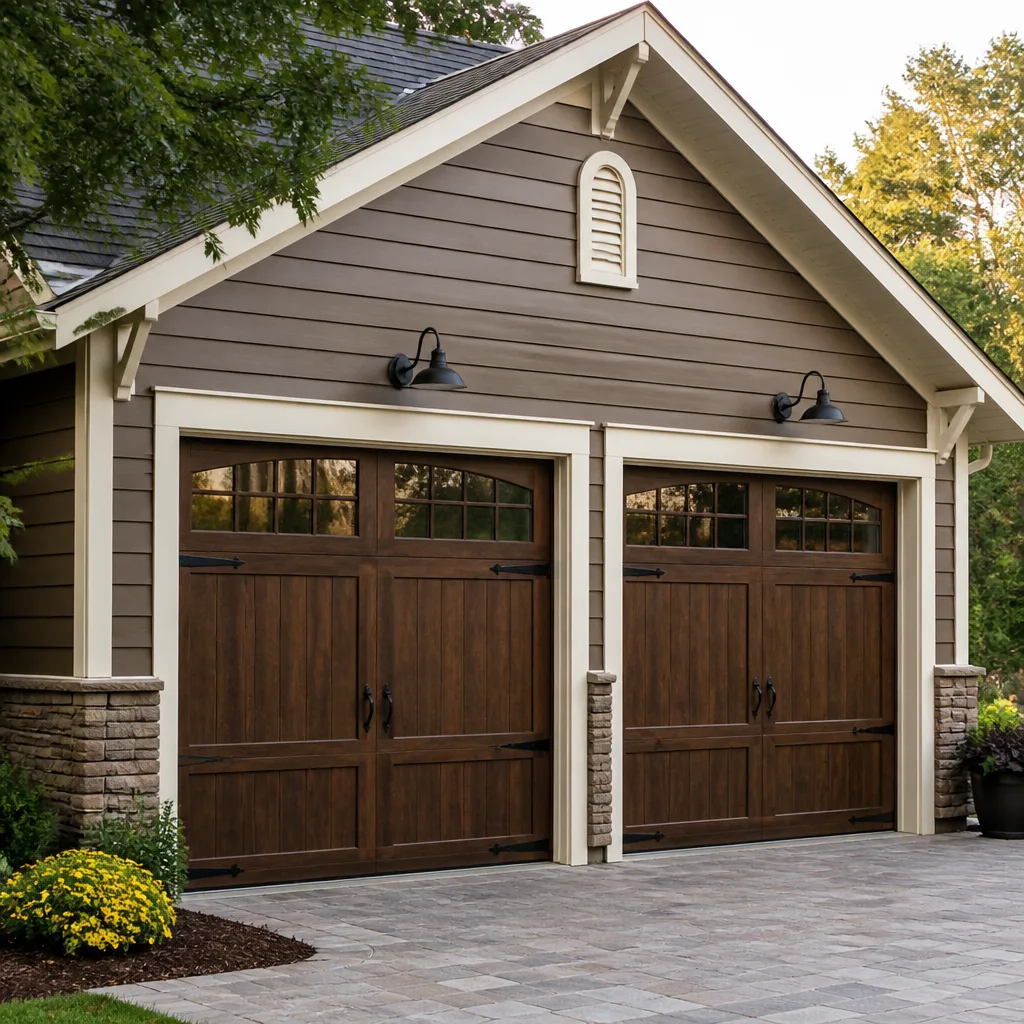 Carriage house
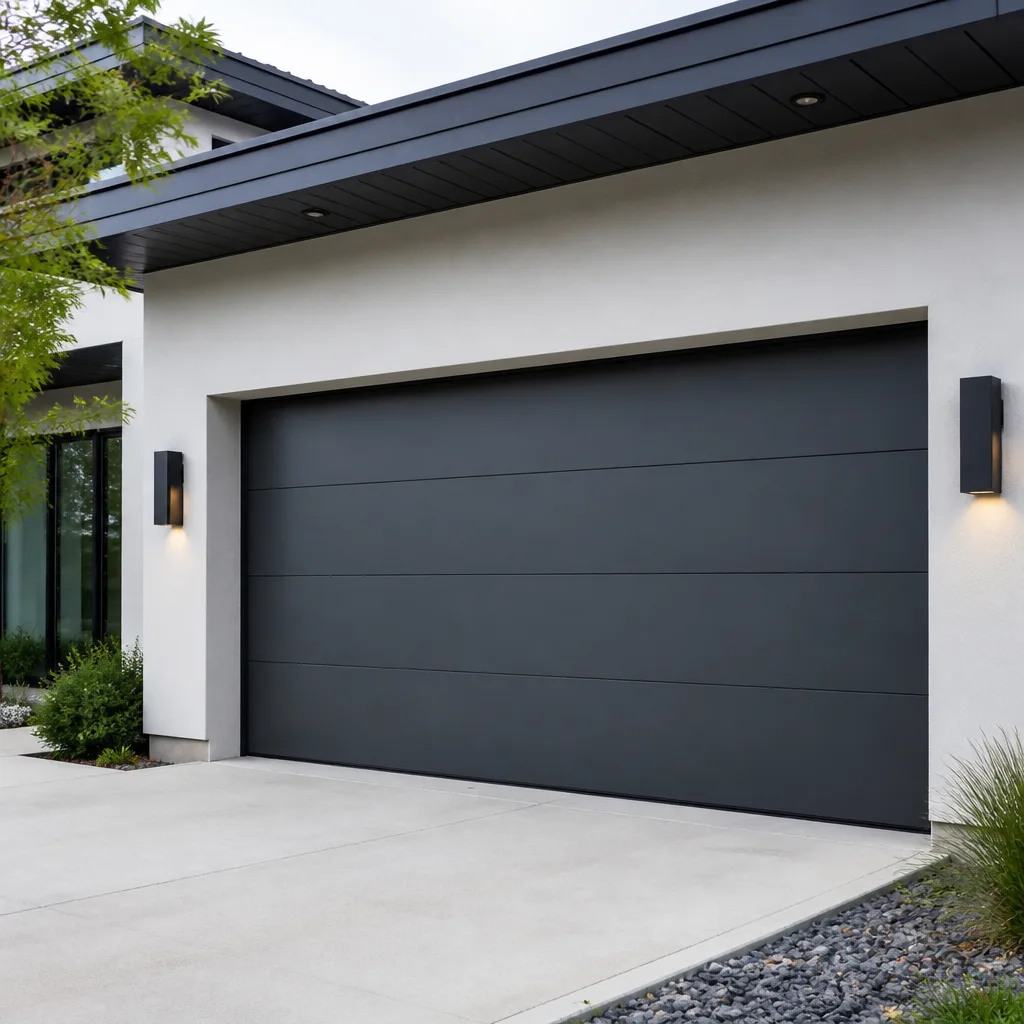 Modern flush
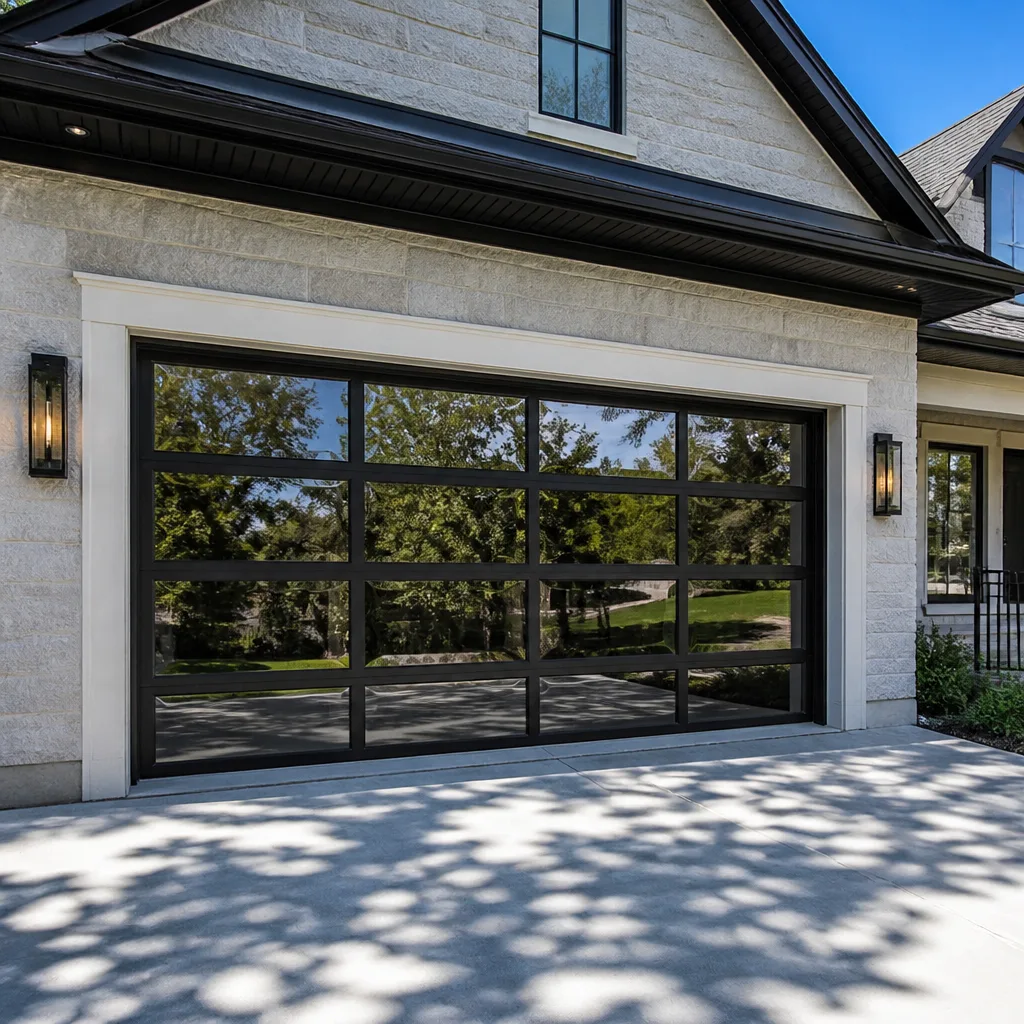 Full-view glass
 LiftMaster openers
 Chamberlain openers
Full 25-point door and opener safety check with every visit - springs, cables, rollers, tracks, and your LiftMaster or Chamberlain opener included
You get a price before we start. It does not change when the pro arrives.
Get your free estimateGarage Door Warning Signs: A Norfolk Homeowner’s Reference Guide
Garage doors rarely fail without notice. A door that “just stopped working” one morning almost always showed three or four warning signs in the previous thirty days. The homeowner heard the grinding, saw the gap at the bottom, noticed the door reversing on its own, and filed each one under “normal quirk.” That filing system is the problem. Norfolk garage doors face heat, humidity, and shifting soil that work on springs, cables, and rollers year-round, and the symptoms build in a predictable sequence once you know what to look for. This guide maps sounds to components, teaches visual pattern recognition that doesn’t require mechanical knowledge, and separates cosmetic wear from true structural warnings. You’ll leave knowing what to monitor, what to schedule soon, and what to stop using today.
Quick Answer
A garage door gives warning before it fails, usually through sound (grinding, popping, squealing), sight (gaps, sagging, frayed cables, bent tracks), or motion (reversing, stalling, uneven travel). Norfolk’s humidity and soil movement accelerate certain signs, especially rust and cable wear. If you see a snapped spring, a hanging cable, or a door that won’t stay down, stop using the door and call a professional; everything else can usually be monitored or scheduled.
Call (877) 384-9329 for a free estimate. We answer 24/7, with fast dispatch from 7am to 7pm, Sunday through Friday.
Styles & brands we work with
- Raised-panel steel
- Carriage house
- Modern flush
- Full-view glass
- LiftMaster openers
- Chamberlain openers
Table of Contents
- What the Sounds Are Telling You
- A Visual Inspection You Can Do Without Tools
- Cosmetic Wear vs. Structural Warning Signs
- Norfolk-Specific Warning Signs
- The Severity Tier System: Monitor, Schedule, Stop
- Opener Symptoms That Point to the Motor
- The Sequence: How a Failing Door Progresses
- Common Mistakes to Avoid
What the Sounds Are Telling You
A garage door should sound roughly the same every time it moves: a low, steady hum from the opener and a smooth roll of the panels. Any new sound is information, and each type points to a specific component. Learning to match the noise to the part is the fastest way to know whether you’re hearing wear or a failure in progress.
- Grinding – usually dry or worn rollers, a dry torsion spring, or a lack of lubrication on the hinges and tracks. Grinding that gets louder over a few weeks is a roller or hardware issue.
- Popping or snapping – a spring that’s winding unevenly, or a cable that’s slipping off its drum. A single loud pop followed by a door that won’t lift means a spring has broken.
- Squealing – metal on metal, most often the opener’s drive gear, a worn bearing, or rollers that have lost their inner wheels. Squealing from a LiftMaster or Chamberlain belt-drive opener can also mean the belt is tensioning unevenly.
- Rattling – loose hinges, bolts, or track brackets. Usually the least serious, and the easiest to correct with a wrench and a few minutes.
- Banging or slamming – the door is hitting the floor too hard, which points to opener travel limits or the down-limit setting, not the door itself.
In our experience, the two sounds that deserve a call rather than a listen are a sharp pop followed by a stalled door, and any grinding that happens at the very top of the travel. Both point to torsion springs or cables, and both are worth catching before they turn into a broken door. A Genie or Raynor opener with a grinding top-of-travel can also indicate a stripped drive gear, which is a motor-side fix rather than a door-side one.
A Visual Inspection You Can Do Without Tools
You don’t need mechanical knowledge to spot structural warning signs. You need pattern recognition. A ten-minute walk-around with the door closed, then open, then closing, gives you most of the information a technician uses on arrival. Here’s what to look at and what each pattern means.
- The bottom seal: with the door closed, check that the rubber seal sits flat against the floor all the way across. Gaps of more than an inch at one end mean the door is out of balance or the floor has shifted.
- The gap between door and frame: look down both sides. Uneven gaps mean a bent track or a sagging panel.
- The torsion spring (the coiled spring above the door): look for a visible gap in the coil. A spring that’s missing a section has snapped and must not be used.
- The cables on both sides: they should be taut, straight, and still seated in the drum at the top. A cable that’s frayed, kinked, or hanging loose is a stop-now sign.
- The rollers: with the door open, look at each roller in its hinge. The inner wheel should turn freely; a flattened or seized wheel means replacement.
- The tracks: run your eye down each vertical run. A bend of more than a small kink needs straightening before the rollers wear unevenly.
- The hinges: check for cracks at the bend points and for bolts that spin without tightening.
Two of those items, springs and cables, are genuinely dangerous. A torsion spring stores enough force to cause serious injury, and a cable under tension can whip when it releases. Do not attempt to adjust, remove, or re-tension either one yourself. Look, note what you see, and call a trained professional. Everything else on the list is safe to observe and, in most cases, safe to have repaired.
Cosmetic Wear vs. Structural Warning Signs
Most homeowners get this distinction backwards, and it costs them money. Cosmetic wear is a surface change that doesn’t affect how the door moves or how safe it is. Structural warning signs are anything that affects balance, tension, or travel. A scuffed panel is cosmetic; a panel that’s separating at the seam is structural. Here’s the split we use when we walk a Norfolk driveway.
- Cosmetic: faded paint, surface scuffs, light rust streaks on the bottom panel, worn weatherstripping at the sides, a noisy hinge that still holds.
- Structural: a bent track, a snapped spring, a frayed cable, a cracked hinge, a panel that sags in the middle, a door that reverses before it touches the floor, or an opener that strains audibly at the end of travel.
The reasons homeowners mix them up are simple. Rust looks alarming and often isn’t, and a skipping opener sounds minor and often is. A door with a rust streak down the bottom panel can usually be cleaned and repainted; a door with a hairline crack at a hinge point may be one cycle away from a panel failure. In a Clopay or Amarr steel door, cosmetic rust concentrates at the bottom and along the seams, while structural cracks show up at the hinge and roller brackets. If you’re unsure which you’re looking at, describe it to a technician and let the diagnosis happen by phone before anyone comes out. That call is free, and it saves a wasted visit.
Norfolk-Specific Warning Signs
Norfolk’s weather does certain things to garage doors that homeowners in drier climates don’t see. The combination of humid summers, wet winters, and soil that moves with the seasonal water table puts consistent stress on the bottom of the door and the hardware that holds the cables. Three signs are worth knowing here specifically.
- Rust streaking on the bottom panel and lower hinges. Humidity keeps the bottom of a steel door damp for longer than the rest of it, so rust starts low and creeps up. Surface rust is cosmetic; rust that has eaten into a hinge bracket is structural, because the bracket can no longer hold the roller straight.
- Seal separation and floor gaps. Norfolk’s soil shifts with wet and dry cycles, and a floor that was flat when the door was installed can develop a dip. A bottom seal that used to sit flush now shows a gap at one end. That gap lets water and pests in, and it’s also a sign the door is out of balance.
- Cable wear accelerated by humidity. Cables themselves don’t rust through quickly, but the fittings and the drum do. A cable with a dull, gritty drum at the top or a slight fray near the fitting is worth scheduling for replacement rather than waiting for it to snap mid-cycle.
Doors on the older stock in neighborhoods like Ghent and Larchmont tend to show seal and floor issues first because the floor slabs have had more time to settle. Newer construction on the east side of Norfolk often shows opener-side symptoms first as the door’s initial balance drifts. In either case, the pattern is the same: bottom seals, then cables, then springs, then the opener. Catching the first two signs early is what keeps a Norfolk garage door from progressing to the third.
If you’re scheduling a repair, our garage door repair team works on the whole system – panels, hardware, springs, and cables – so the visit covers everything a Norfolk door tends to need at once.
The Severity Tier System: Monitor, Schedule, Stop
The most useful question when you spot a warning sign isn’t “is this broken?” It’s “how fast does this need to move?” We sort every symptom into one of three tiers. Use the same system at home and you’ll stop guessing whether a grumble is worth a call.
Tier 1 – Monitor
These are signs of wear that don’t affect safety or operation, but should be watched at each use. Check them once a month and note any change.
- Light rust streaks or faded paint
- A rattle you can locate to a specific hinge
- Minor scuffs and weatherstripping wear at the sides
- Slight noise increase over months, not days
Tier 2 – Schedule Soon
These affect operation or balance and should be repaired at a scheduled visit before they progress.
- A grinding or squealing noise that’s new or getting louder
- An opener that reverses on its own, or that stops before completing travel
- Gaps at the bottom seal larger than an inch
- Rollers that are flat, seized, or worn
- A door that closes unevenly or wobbles as it moves
Tier 3 – Stop Using Now
These are structural failures. Stop using the door and call a professional before the next cycle.
- A spring with a visible gap in the coil
- A frayed, kinked, or hanging cable
- A door that’s off its track or visibly bent
- A panel that has separated or cracked at a hinge
- The door dropping fast when it closes, or a car trapped inside
If you’re not sure which tier a symptom belongs to, describe it and ask. A quick call costs nothing and often saves a wasted visit or, worse, a door that fails with a car under it. Call (877) 384-9329 for an exact quote on any tier – estimates are free.
Opener Symptoms That Point to the Motor
Not every garage door warning sign is on the door. The opener is a motor with its own failure sequence, and its symptoms look different from the door’s. Catching them early keeps a $200 motor repair from turning into a full opener replacement, which is the part of the system we see homeowners overpay for most often.
The most common opener-side signs in Norfolk, in the order they usually appear:
- The door reverses before touching the floor. Usually the safety sensors or the down-limit setting, not the motor. Check that nothing is blocking the sensor lenses at the bottom of the tracks, then have a technician check the limit.
- The opener strains at the top of travel. The motor is working against the door’s balance instead of with it, which points to a spring that’s losing tension.
- The door opens a few inches and stops. On a LiftMaster or Chamberlain, this often means a travel-limit or force-setting issue; on a Genie, it can point to a stripped drive gear.
- The remote works intermittently. Battery, sensor alignment, or a dying logic board. Known-brand remotes are the easiest fix, since the exact replacement is available for the existing unit.
- The motor runs but the door doesn’t move. Often a stripped gear, a broken belt, or a disconnect that’s been pulled. This one is worth a call – it’s rarely a do-it-yourself fix.
We work on the most common residential and light-commercial drive systems, including belt, chain, and screw drive, so the fix is usually a repair of the existing opener rather than a replacement. If you’re hearing an opener symptom alongside a door symptom, mention both when you call. Our garage door opener repair team diagnoses the motor and the door together, because a balance issue on one side almost always shows up as a strain on the other.
The Sequence: How a Failing Door Progresses
Garage door failures follow a predictable order. The order isn’t random: each step makes the next one more likely. Knowing the sequence lets you interrupt it early, which is why this guide is built around reading symptoms rather than reacting to failures.
- Wear begins quietly. A roller loses its inner wheel, a hinge dries out, or a spring loses a little tension. The only sign is a slightly louder or rougher cycle.
- The balance drifts. The door doesn’t sit level, the bottom seal develops a gap, or the door wobbles slightly as it travels. This is the stage most homeowners dismiss.
- The opener starts compensating. The motor works harder to lift a door that’s out of balance. You hear it strain, the door reverses, or the opener’s force setting trips.
- A component fails. A spring snaps, a cable frays, or a roller seizes. At this point, the door stops working reliably.
- The door is unsafe to use. A panel drops, a track bends, or the door comes off its track. Now it’s a stop-now situation and the repair is larger.
The window from step one to step four is typically four to six weeks on a door that’s showing visible symptoms, which is why the previous thirty days matter. Homeowners who call at step two spend less and wait less than homeowners who call at step four. That’s true on any Norfolk driveway, whether the door is a single-car Clopay or a double-car Raynor.
Common Mistakes to Avoid
- Treating every noise as “just the door being old.” A door that’s gotten louder over a few weeks is telling you something specific. Match the sound to the component before you dismiss it.
- Lubricating a spring or cable to “fix” a grinding noise. Springs and cables are under load and shouldn’t be handled by a homeowner. Lubricant can hide the symptom while the wear continues underneath.
- Assuming rust means replacement. Faded paint and surface rust are cosmetic and clean up fine. A hinge that’s rusted through is structural, and worth repairing before it fails.
- Ignoring a small gap at the bottom seal. In Norfolk’s humidity that gap lets water and pests in, and it’s also a sign the door is out of balance.
- Calling a general handyman for a spring or cable problem. These are the two components that cause serious injury. A trained garage door technician is the right call, not a generalist.
- Replacing the opener when the door is out of balance. A strained motor is often a door problem, not a motor problem. Diagnosis first saves the cost of a new opener.
- Waiting until a component fails to call. A spring that snaps at 7am with a car inside is a harder, more expensive job than a spring that’s caught at step two. Scheduling at the warning stage is always cheaper than an emergency.
See the difference
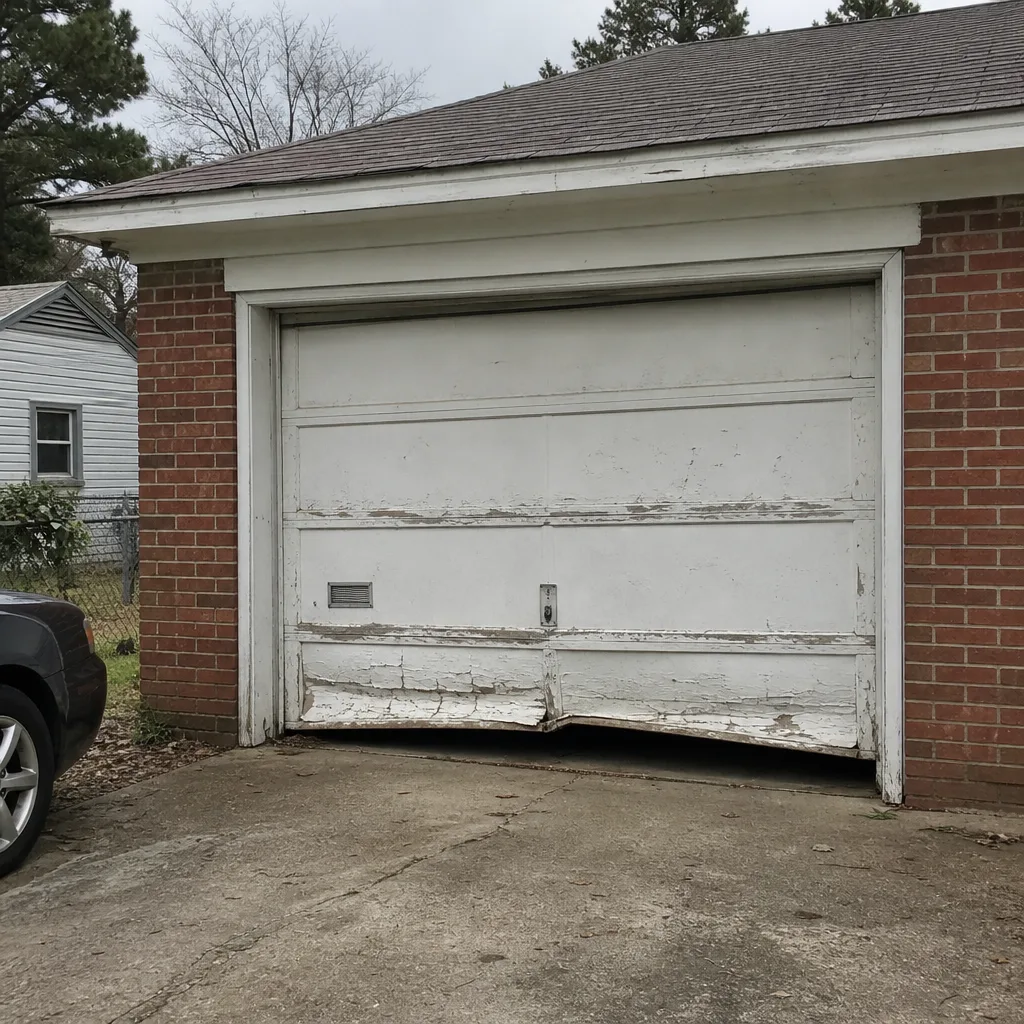 Before
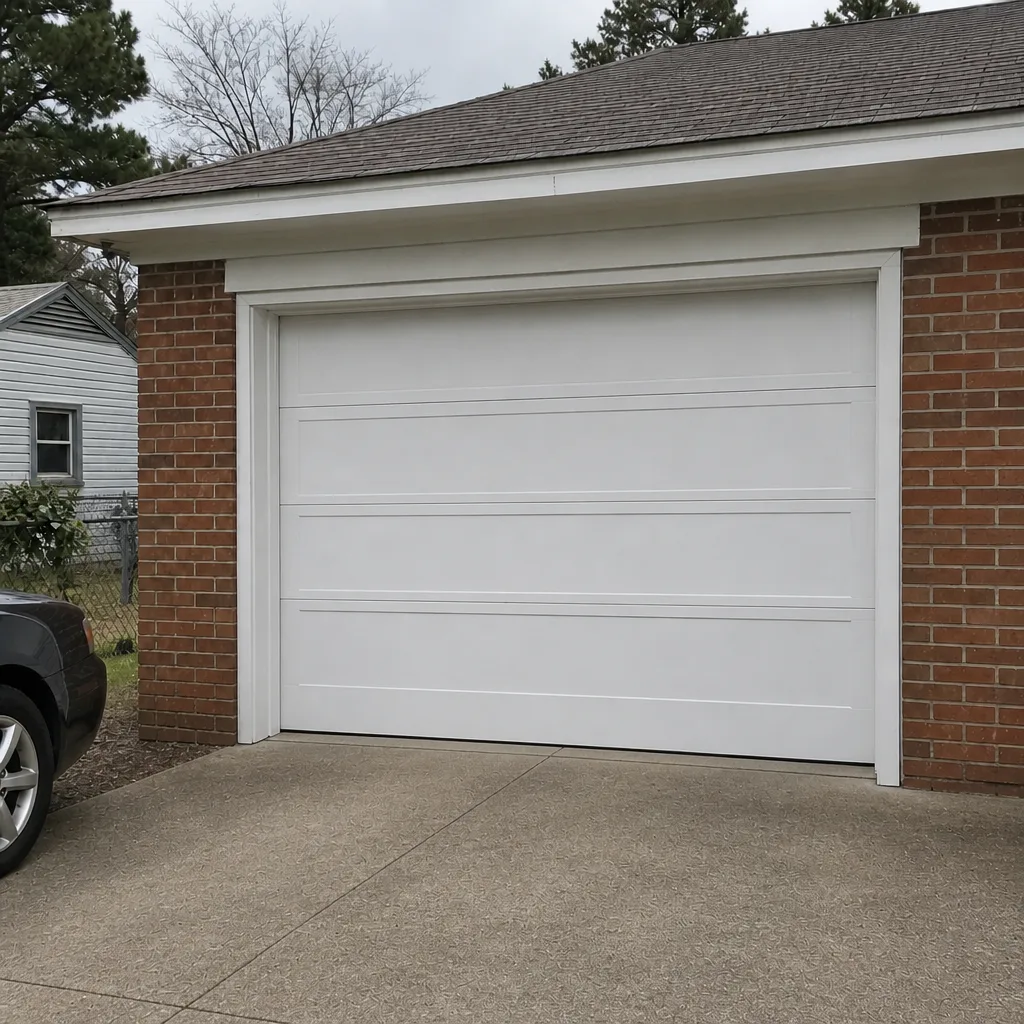 After
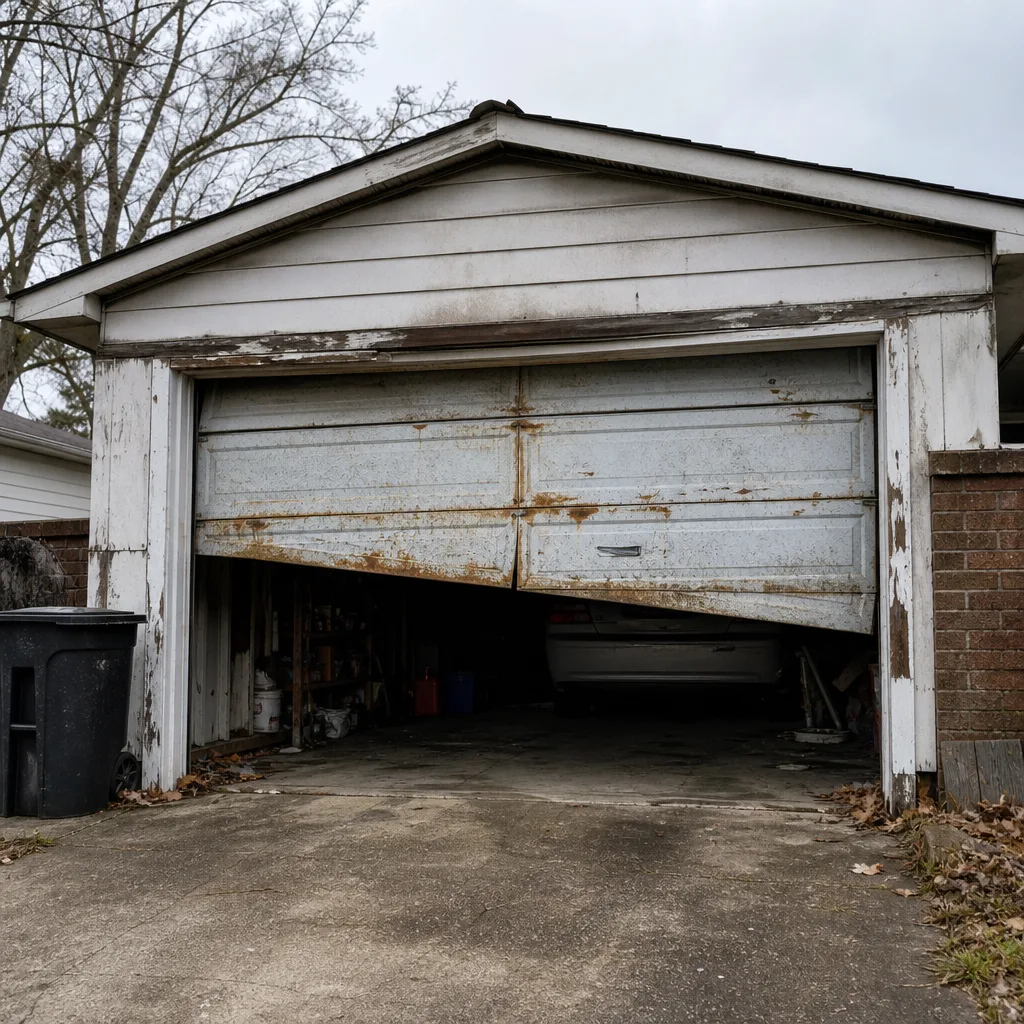 Before
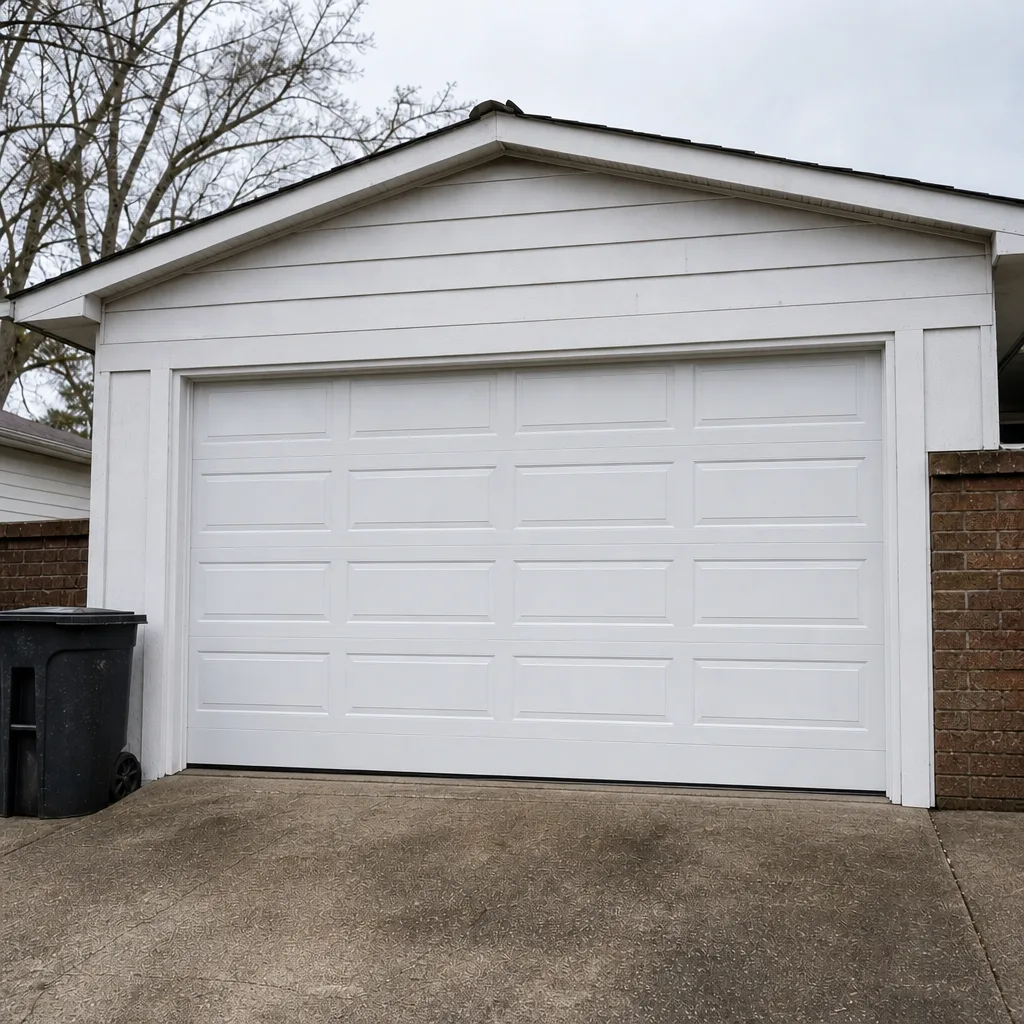 After
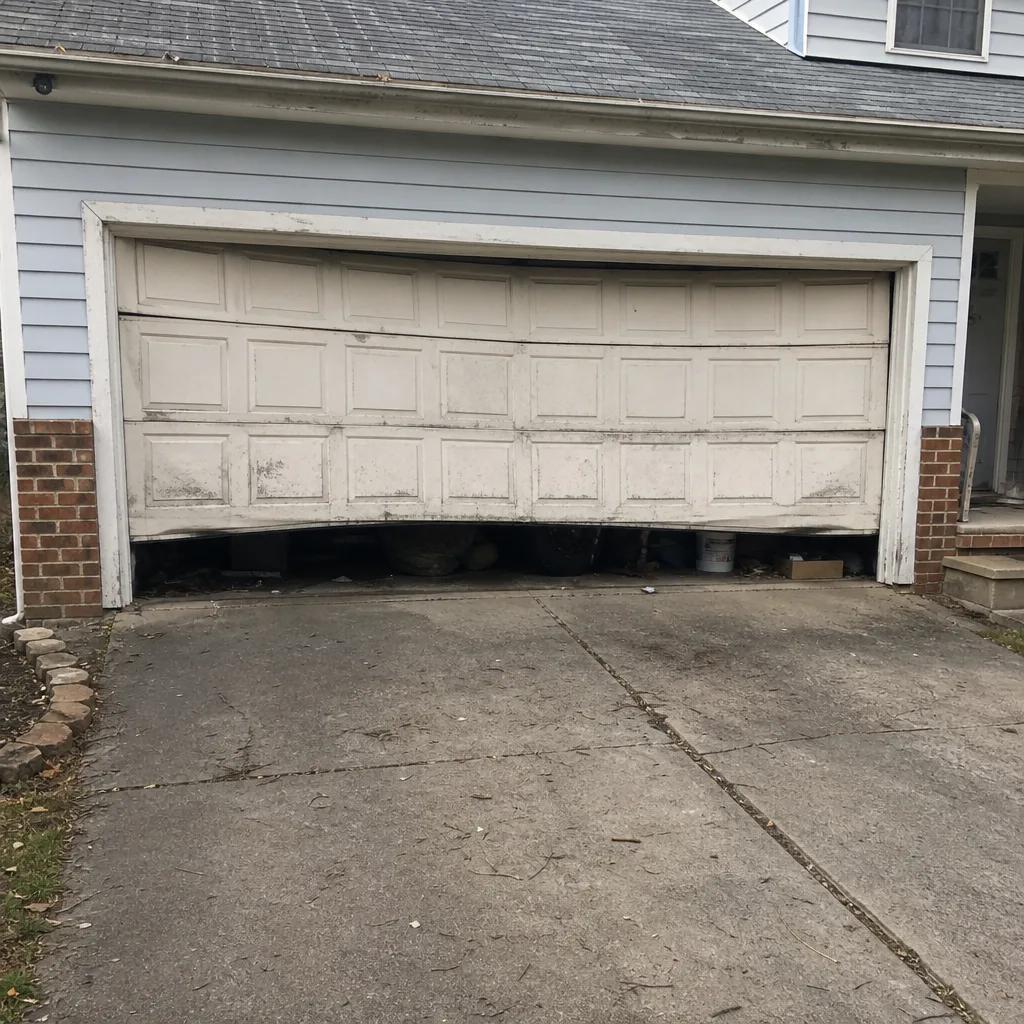 Before
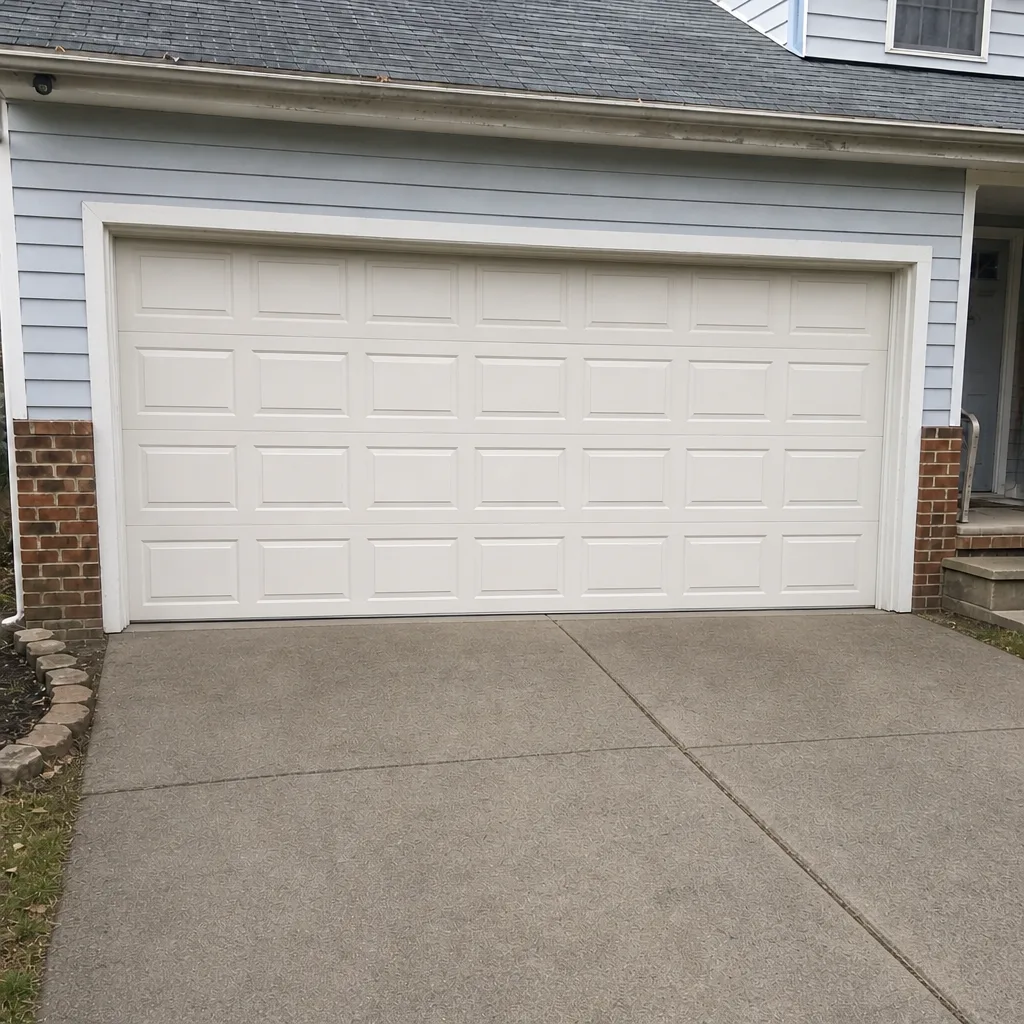 After
When to Call a Professional
Call a professional for any Tier 3 sign – a snapped spring, a hanging cable, an off-track door, or a panel that’s separating – and stop using the door until the technician sees it. Call for Tier 2 signs too: a new grinding noise, a reversing opener, a wobbling door, or a bottom gap that’s widening. These usually get worse, not better, and a scheduled visit is easier than an emergency. And call if you’re unsure which tier a symptom belongs to; describing what you hear or see is free, and it’s the fastest way to a clear answer. We work on the whole system, from the opener motor to the bottom seal, on eight of the industry’s most common brands, including LiftMaster, Chamberlain, Genie, Clopay, Amarr, Wayne Dalton, Craftsman, and Raynor.
Juniper Garage Door Repair offers free estimates in Norfolk – call (877) 384-9329. We answer 24/7. Fast dispatch from 7am to 7pm, Sunday through Friday.
Frequently Asked Questions
The most common signs are a new grinding or squealing sound, a bottom seal that’s separated from the floor, a door that reverses on its own, and a slight wobble as the door travels. In Norfolk, rust streaks on the bottom panel and humidity-related cable wear are also common. Any of these is worth a call to (877) 384-9329 – estimates are free.
No. Torsion and extension springs are under heavy tension and can cause serious injury if handled incorrectly. Visual inspection is safe – look for a gap in the coil or a snapped spring – but any adjustment or replacement should be done by a trained technician. Call (877) 384-9329 for an exact quote.
Normal wear sounds consistent from cycle to cycle; a problem gets louder or changes over days. A single sharp pop followed by a door that won’t lift is a broken spring. A steady grinding that builds over a week is usually a roller or hardware issue. If you can’t tell, describe the sound and ask – the call is free.
Usually not. Surface rust and paint fade are cosmetic and can be cleaned and repainted. Rust that has eaten into a hinge bracket or a panel seam is structural, because those parts hold the roller or the door’s shape. When in doubt, have it looked at. Call (877) 384-9329 for a free estimate.
Most often the safety sensors at the bottom of the tracks are blocked, misaligned, or dirty. If the sensors are clear and the door still reverses, the down-limit setting on the opener needs adjustment. A technician can check both the sensors and the limit in a single visit. Call (877) 384-9329.
For Tier 1 signs (surface rust, scuffs, a rattle) yes – monitor them monthly. For Tier 2 signs (grinding, reversing, wobbling) schedule a visit before they progress. For Tier 3 signs (snapped spring, hanging cable, off-track door) stop using the door and call now. Call (877) 384-9329 for a free estimate on any tier.
The Bottom Line
Three takeaways. First, garage doors warn before they fail: the grinding, the gap, the wobble, and the reversing opener are all information, not quirks. Second, Norfolk’s humidity and soil movement give the warning sequence a local flavor – rust, seal separation, and cable wear show up first, so check the bottom of the door and the cables monthly. Third, sorting what you find into Monitor, Schedule Soon, or Stop Now tells you exactly how fast to act. Springs and cables are the one category where you stop and call, always. Everything else is a matter of catching the symptom before it becomes a failure.
Call (877) 384-9329 for a free estimate. We answer 24/7. Fast dispatch from 7am to 7pm, Sunday through Friday. Our technicians have up to 13 years of experience and work on whatever brand is in your garage, so the diagnosis starts from what you already own.
Written by the team at Juniper Garage Door Repair.