
Last updated November 15, 2026
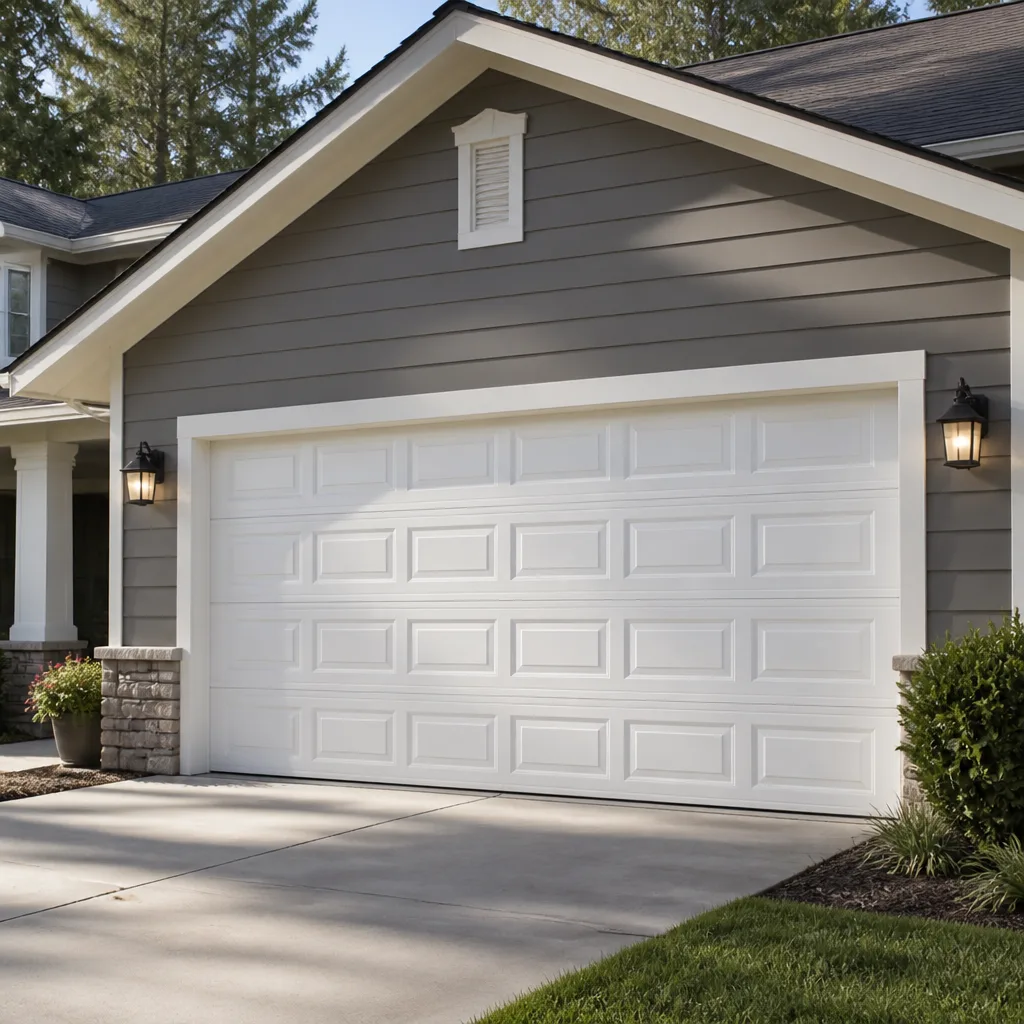 Raised-panel steel
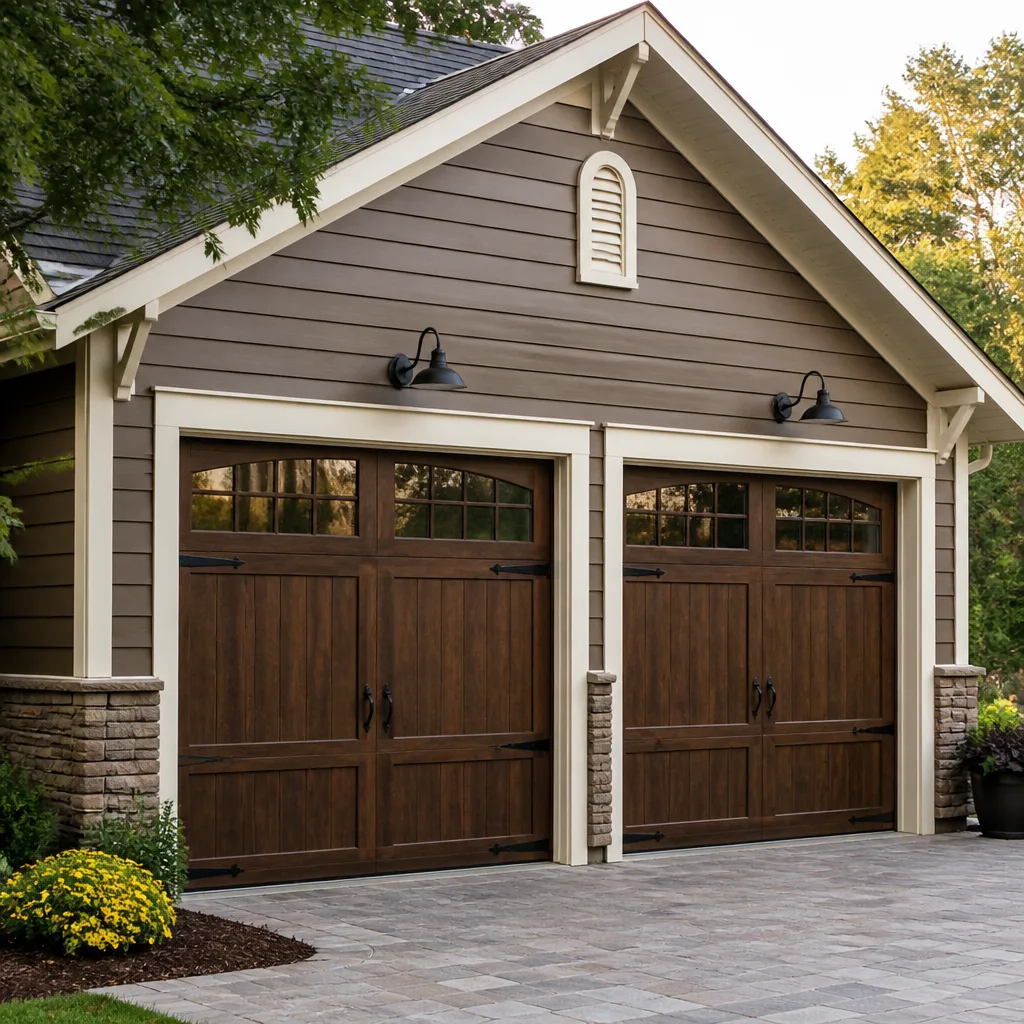 Carriage house
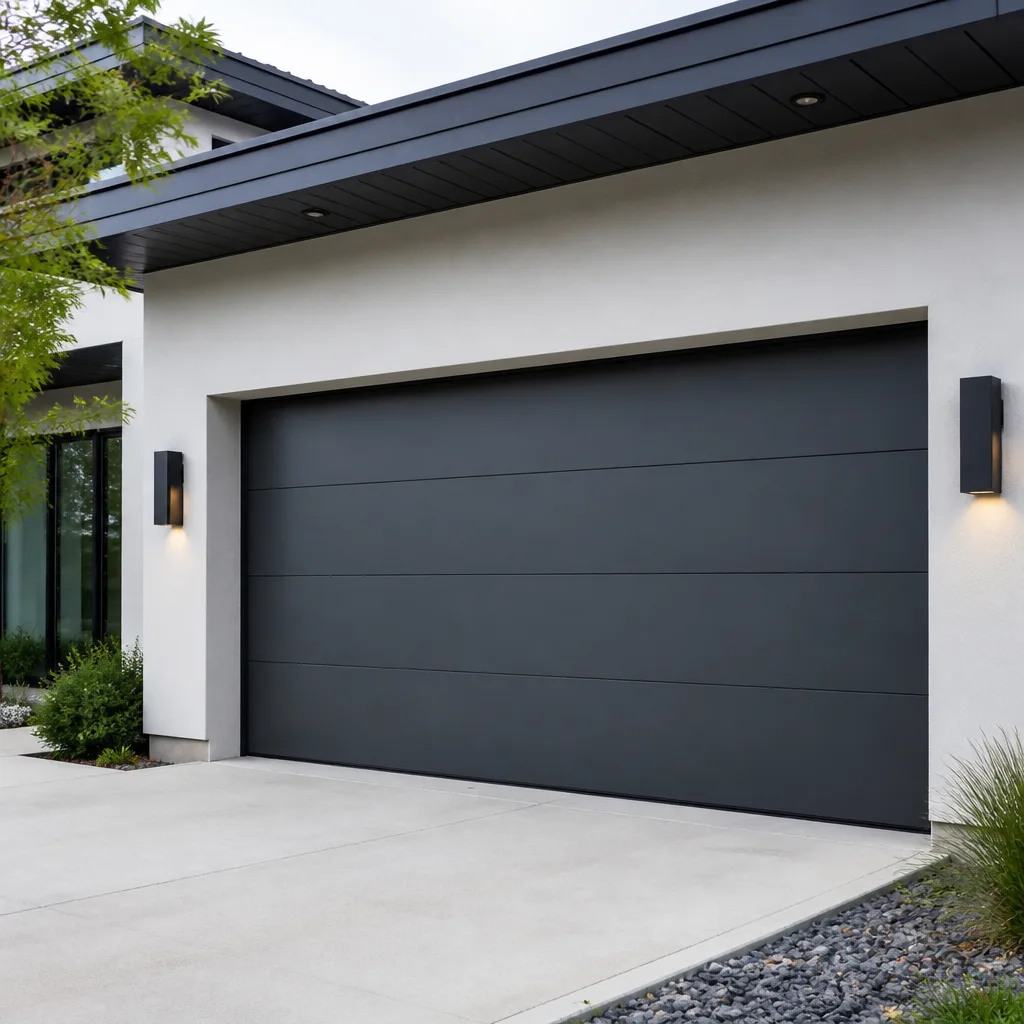 Modern flush
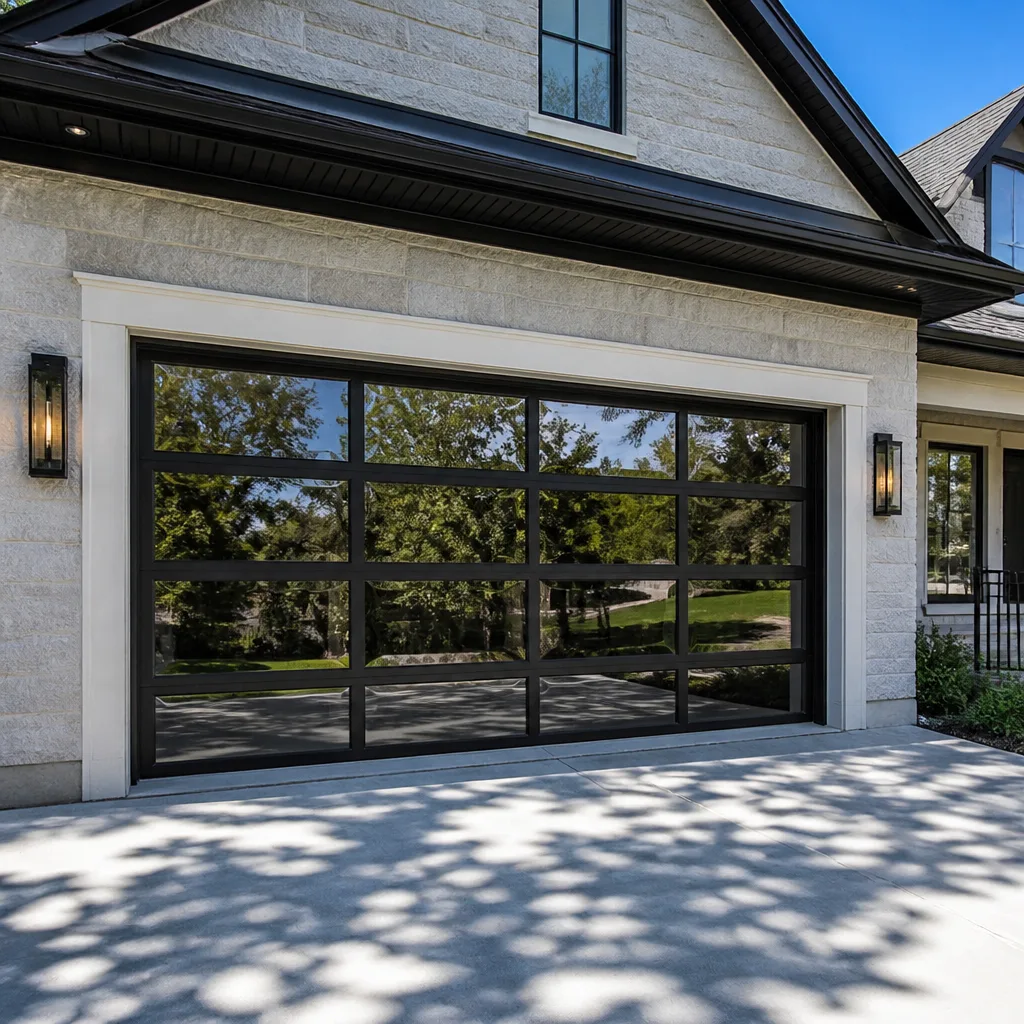 Full-view glass
 LiftMaster openers
 Chamberlain openers
Full 25-point door and opener safety check with every visit - springs, cables, rollers, tracks, and your LiftMaster or Chamberlain opener included
You get a price before we start. It does not change when the pro arrives.
Get your free estimateSeasonal Garage Door Care for Norfolk: Year-Round Homeowner’s Guide
Most garage door maintenance advice is built for a place with four neat seasons. Norfolk doesn’t have that. What Norfolk has is a long, punishing humidity season that runs from late May through September, a short winter that can still throw ice and hard freezes at you, and two shoulder periods where whatever you skipped becomes expensive. The danger season for your door isn’t January. It’s the summer stretch when heat expansion, heavy air, and hurricane prep all land at once. In this guide, we’ll walk through a care calendar built around Norfolk’s actual climate, not a generic template, and cover the checks that matter most at each point in the year.
Quick Answer
The best seasonal care routine for a Norfolk garage door follows the local climate rather than the calendar: a pre-hurricane hardware and weatherstripping check before June 1, summer attention to heat-driven spring tension and opener strain, a fall freeze-thaw review of the bottom seal, and a post-storm audit after any nor’easter or tropical system. Humidity management for wood and wood-look doors runs all year. Getting these checkpoints right prevents most of the failures we see in Norfolk, and the ones that slip through are usually caught early enough to be a repair rather than a replacement.
Styles & brands we work with
- Raised-panel steel
- Carriage house
- Modern flush
- Full-view glass
- LiftMaster openers
- Chamberlain openers
Table of Contents
- Why Norfolk’s Climate Calendar Isn’t the Standard Four Seasons
- The Pre-Hurricane Checklist: What to Do Before June 1
- Summer Heat Expansion and Your Torsion Springs
- Norfolk’s Mild-but-Icy Winters and the Bottom Seal Problem
- The Post-Storm Audit: What to Inspect Even If the Door Still Works
- Year-Round Humidity Management for Wood and Wood-Look Doors
- Opener Care Through the Seasons
- A Month-by-Month Norfolk Care Schedule
Why Norfolk’s Climate Calendar Isn’t the Standard Four Seasons
If you follow the maintenance schedules printed in most homeowner manuals, you’ll do your heaviest garage door work in spring and fall. That’s the wrong rhythm for Norfolk. The real stress on your door builds through the summer, peaks at the end of it, and then resets with a winter that’s short but not soft.
Think about what a garage door actually experiences in Norfolk across a year. From late May into September, the attic above the garage becomes an oven, and the steel tracks, torsion springs, and panels all expand. Then the humidity arrives and stays. Wood swells. Steel hardware starts working loose from constant thermal cycling. And somewhere in that same window, hurricane season opens. By the time October arrives, the door has been through more mechanical stress than it sees in the entire winter.
What that means for Norfolk homeowners:
- The high-stress season is summer, not winter. Schedule your most thorough inspection before it starts, not after.
- The shoulder periods (April-May and October-November) are when deferred maintenance turns into failure. A door that survived the summer on a marginal spring or a worn roller will often fail in the first cold snap.
- Winter is short but sharp. Freeze-thaw cycles do more damage to seals and weatherstripping here than sustained cold does.
- Storm prep is part of the annual routine. Hurricane season is a fixed deadline, and it happens to fall in the middle of the highest-stress window.
This guide is structured around that reality. If you work through it once, you’ll know exactly what your door needs at each point in the Norfolk year and what to watch for in between. For anything that turns into an actual repair, our garage door repair team works on whatever brand is hanging in your garage.
The Pre-Hurricane Checklist: What to Do Before June 1
Hurricane season opens June 1, and the checklist that matters most is the one you finish before it does. The goal isn’t to make your door storm-proof. It’s to make sure the hardware that holds the door in place is doing its job, and that you can open the door manually if you lose power.
Here’s what to check, in order:
- Inspect the hinges, rollers, and track brackets. Look for loose fasteners, bent brackets, or rollers that have worn flat. In a wind event, a loose hinge is a point of failure. Tighten what’s loose and replace anything bent.
- Test the manual release. Pull the red release cord and lift the door by hand. It should move smoothly and stay up when you let go. If it drops, the springs are compromised and the door isn’t safe to operate until they’re addressed.
- Check the weatherstripping and bottom seal. Run a hand along the perimeter. Any gap, tear, or hardened strip lets wind-driven rain in and reduces the door’s ability to resist pressure.
- Look at the panels themselves. A dented or loose panel can catch wind. If a panel has separated from its frame, that’s a repair, not a wait-and-see.
- Confirm the opener’s behavior. Test the safety reverse. If the opener hesitates or the door binds, get it looked at before storm season, not after.
- Clear the tracks and the door’s travel path. Debris, a leaning ladder, or a stored item near the track can jam a door at the worst possible moment.
If any of that raises a flag, our garage door opener repair and door repair teams can take a look. We work on the common brands you’ll find in Norfolk garages, including LiftMaster and Wayne Dalton, so the technician arrives already familiar with how your system is put together.
A note on safety: torsion springs and the cables that run alongside them are under extreme tension. Never adjust, remove, or attempt to “tighten” them yourself. That work belongs to a trained technician with the right tools. Visual inspection from a safe distance is all we recommend for a homeowner.
Summer Heat Expansion and Your Torsion Springs
From late May through September, the space above a Norfolk garage can get genuinely hot, and that heat does something specific to your door’s mechanical system. Metal expands. Torsion springs, which are calibrated to counterbalance the door’s weight at a specific tension, can change their effective tension as the door and its hardware heat up. You’ll notice it as a door that seems to bind, hesitate, or run differently in the afternoon than it does in the morning.
What to watch for during the summer months:
- A door that opens or closes more slowly than usual. Heat-related tension changes are a common cause.
- Grinding or scraping sounds. Expansion can push a track out of alignment with the rollers.
- The door drifting down a few inches after it opens. That’s a sign the spring tension is off.
- The opener working harder than it should. If the door is binding, the opener is compensating, and that shortens its life.
What you can do yourself is limited and safe: keep the tracks clean, check that the rollers spin freely, and listen. What you shouldn’t do is adjust the springs. Those are under enough tension to cause serious injury, and a miscounted quarter-turn can leave the door unbalanced and unsafe. If the door is behaving differently in the heat, that’s a call for a technician.
Summer is also a good time to lubricate what’s safe to lubricate. A garage door lubricant on the rollers, hinges, and the torsion bar (not the springs themselves) reduces friction and quiets the door. Keep the tracks clean and dry rather than greasy. A little maintenance in July goes a long way toward avoiding a breakdown in August, and our team at Juniper Garage Door Repair is happy to take a look if something feels off.
Norfolk’s Mild-but-Icy Winters and the Bottom Seal Problem
Norfolk winters aren’t long, but they aren’t gentle either. The pattern that does the most damage is freeze-thaw: a cold night drops the temperature below freezing, the ground and the door’s seals stiffen, then the next afternoon warms up and everything moves again. Repeat that cycle across a winter and the bottom seal takes the worst of it.
A bottom seal is a rubber or vinyl strip that runs along the bottom edge of the door, sealing it against the floor. It’s the part of your door that’s in contact with the coldest, wettest surface in the garage. When it stiffens in the cold and then gets compressed as the door closes, it can crack, split, or separate from the door’s bottom edge. Once that happens, you’ve got a gap that lets in cold air, water, and pests.
What material holds up best in Tidewater conditions:
- EPDM rubber seals handle temperature swings and stay flexible in cold better than vinyl. They’re a solid choice for Norfolk.
- Vinyl seals are common and inexpensive but get brittle faster in repeated freeze-thaw.
- Brush seals work well on doors where the floor isn’t perfectly level, but they don’t block water or air as effectively as a solid rubber seal.
Before winter, check the seal by hand. Run a finger along the bottom edge and look for cracks, hardened sections, or places where it’s pulling away. If you can see daylight under the closed door, the seal is failing. Replacing a bottom seal is a straightforward job, and it’s one of the cheapest ways to protect the rest of the door.
Winter is also when you’ll notice an opener that’s been struggling all summer. Cold thickens lubricants and stiffens seals, and an opener that was already working hard will start to show it. If your opener hesitates on the first cold morning, get it looked at before it fails entirely. The Norfolk guide on this site has more on how we handle local service.
The Post-Storm Audit: What to Inspect Even If the Door Still Works
A nor’easter or a tropical system can pass through Norfolk and leave your garage door looking fine. That doesn’t mean it is. Wind pressure, driven rain, and the sheer force of a storm can loosen hardware, shift a track, or damage a seal in ways that aren’t obvious until weeks later.
After any significant storm, work through this audit even if the door still opens and closes:
- Look at the door’s alignment. Stand back and check that the panels are level and the door sits square in the opening. A door that’s visibly off is a repair.
- Check the tracks. Look for bends, dents, or debris. A track that’s been pushed out of alignment will wear the rollers and strain the opener.
- Test the balance. Disconnect the opener, lift the door halfway by hand, and let go. It should hold its position. If it drops or rises on its own, the springs need attention.
- Inspect the weatherstripping and bottom seal. Wind-driven rain can work its way under a seal and damage the door’s bottom edge.
- Listen to the opener. Any new noise, hesitation, or grinding after a storm is a signal to have it checked.
- Look for water intrusion inside the garage. Water pooling near the door or along the bottom seal means the door isn’t sealing properly.
Post-storm is also the right time to check the emergency release and the safety reverse. If something’s off, our team can take a look. We work on common brands including Craftsman and Raynor, so there’s no compatibility guesswork when it’s time to diagnose.
Year-Round Humidity Management for Wood and Wood-Look Doors
Humidity in Norfolk isn’t a summer problem, it’s a year-round condition. For a wood door, that’s the single biggest factor in how long it lasts. Wood absorbs moisture, swells, dries, and shrinks. Repeat that enough times and you get warping, cracking, and joints that open up.
If you have a solid wood door, the care routine looks like this:
- Keep it sealed. A penetrating stain or a quality exterior paint is your first line of defense. Reapply before the finish starts to fail, usually every couple of years in Tidewater conditions.
- Watch the bottom edge. That’s where moisture collects. A wood bottom rail that stays wet will rot from the inside out.
- Check the joints and panels. Any gap where water can get in needs to be sealed.
- Keep the door’s hardware tight. Moisture-driven expansion loosens fasteners.
If you’re considering a wood-look replacement, a composite or steel-backed door designed to mimic wood will handle Norfolk humidity far better than real wood. It won’t swell or warp, and it needs almost no maintenance. When the time comes, our installation team can help you choose a door that fits the climate rather than fighting it.
Part of the humidity story is air movement. A garage that’s sealed tight and never ventilated will hold moisture longer. If your garage door and the space behind it stay damp, a small vent or a dehumidifier can make a real difference to wood and to stored items.
Opener Care Through the Seasons
Your opener doesn’t get a season off. It runs harder in summer when the door binds, harder in winter when the lubricants thicken, and harder in every storm when the door’s seals are working against it. Most opener failures we see in Norfolk start as door problems that the opener has been quietly compensating for.
What to do across the year:
- Test the safety reverse monthly. Put a small object in the door’s path and confirm it reverses on contact.
- Check the manual release. Make sure the cord is intact and unobstructed.
- Listen for changes. New noises, speed changes, or a door that reverses on its own are all signals.
- Keep the opener’s housing clean and clear. Don’t stack items against it or cover it.
- Have the door balanced before you blame the opener. A struggling opener on a poorly balanced door isn’t the opener’s fault, and replacing it won’t fix the problem.
If your opener has been on borrowed time all year, our opener repair team works on the common brands, including LiftMaster and Genie. We diagnose the whole system rather than guessing at parts.
A Month-by-Month Norfolk Care Schedule
Here’s the year laid out for Norfolk specifically. Treat this as a checklist rather than a rulebook. If your door is older or you’ve had a repair recently, add a check in between.
- March-April: Post-winter inspection. Check the bottom seal, tighten hardware, test the balance and the safety reverse. Clean and lubricate the tracks, rollers, and hinges.
- May: Pre-hurricane checklist. Test the manual release, inspect hinges and brackets, and confirm the weatherstripping. This is the deadline before June 1.
- June: Hurricane season opens. Recheck the door’s alignment and listen for changes.
- July-August: The high-stress period. Watch for heat-related binding, slower operation, or new noises. Keep the tracks clean and let the door rest if it’s struggling.
- September: End-of-summer inspection. This is when you want to catch whatever the season wore down.
- October-November: Pre-winter tune-up. Check the bottom seal for stiffness and cracks, confirm the opener isn’t struggling, and reapply a sealer on a wood door before the cold sets in.
- December-February: Watch for freeze-thaw damage. Check the seal after cold snaps and pay attention to the opener on the first cold mornings.
Common Mistakes to Avoid
- Waiting for a failure before checking the door. Most garage door failures in Norfolk give you warning signs weeks before. A door that hesitates in July is telling you something.
- Treating winter as the danger season. Summer heat and hurricane season stress a Norfolk door far more than a short winter does. Plan your heaviest maintenance for late spring.
- Ignoring the bottom seal. It’s the cheapest and most overlooked part of the door. A failing seal lets water into the door’s bottom edge and eventually into the garage.
- Adjusting the springs yourself. Torsion springs are under extreme tension. This is not a homeowner repair, and the risk is serious injury.
- Replacing an opener when the door is the problem. If the door is binding, the opener is doing extra work. Fix the door first.
- Skipping the post-storm check because the door still works. Storm damage isn’t always obvious. A loose bracket or a shifted track will wear the rest of the system over time.
- Letting a wood door’s finish go. In Tidewater humidity, an unsealed wood door deteriorates fast. Reapply the finish before it fails, not after.
See the difference
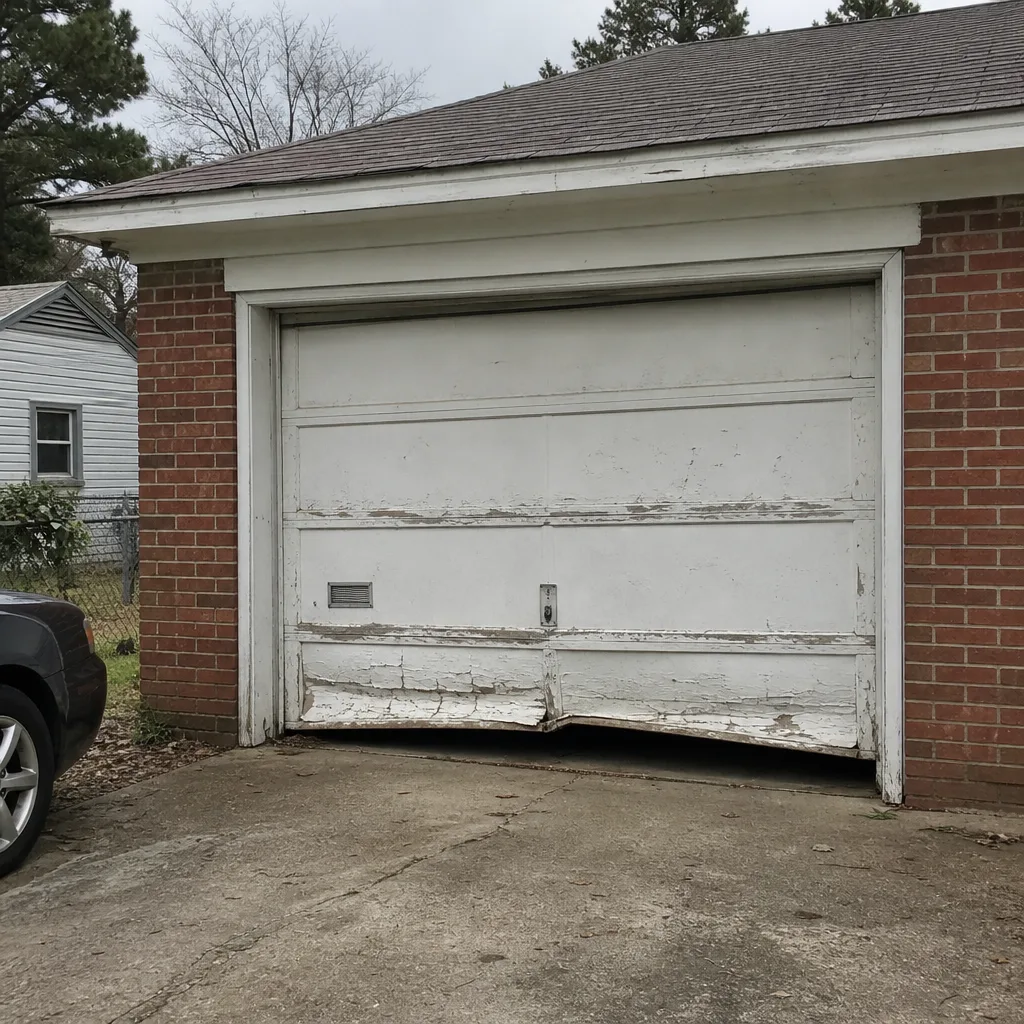 Before
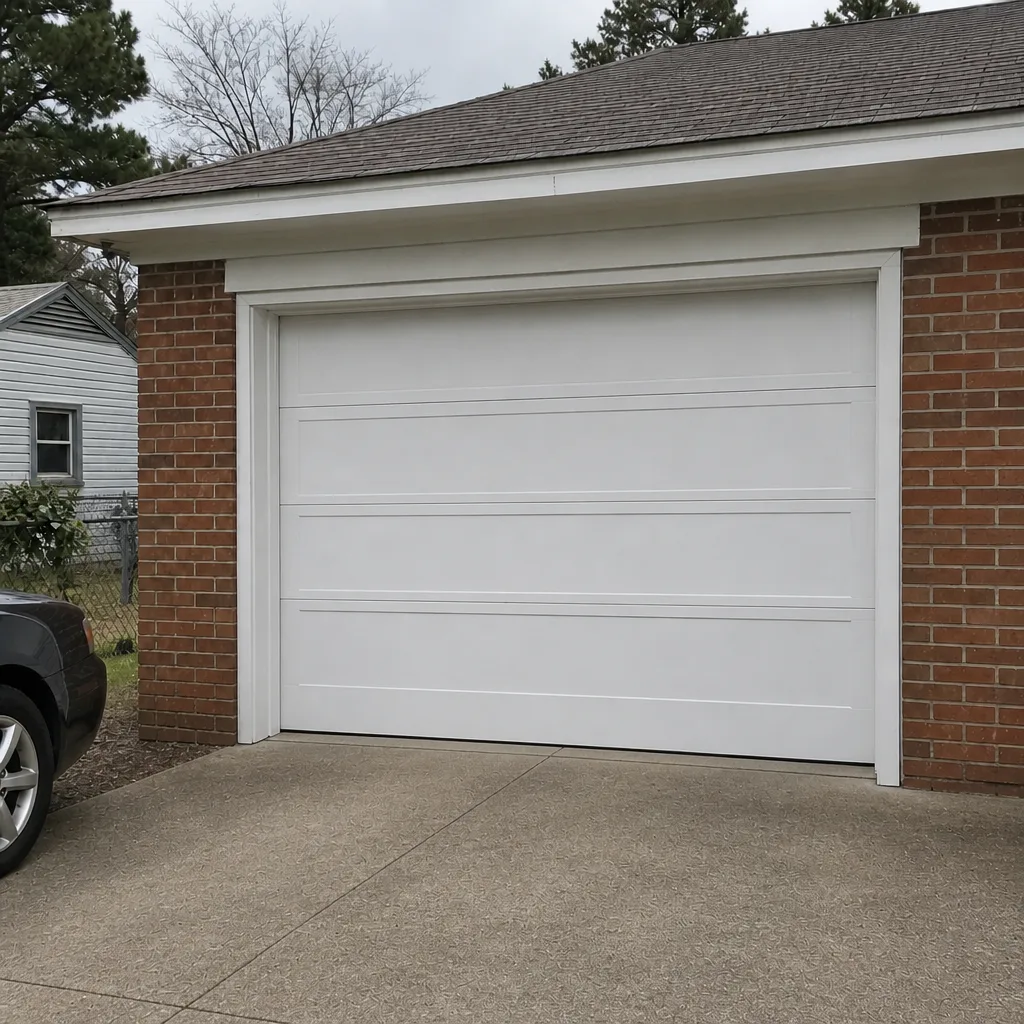 After
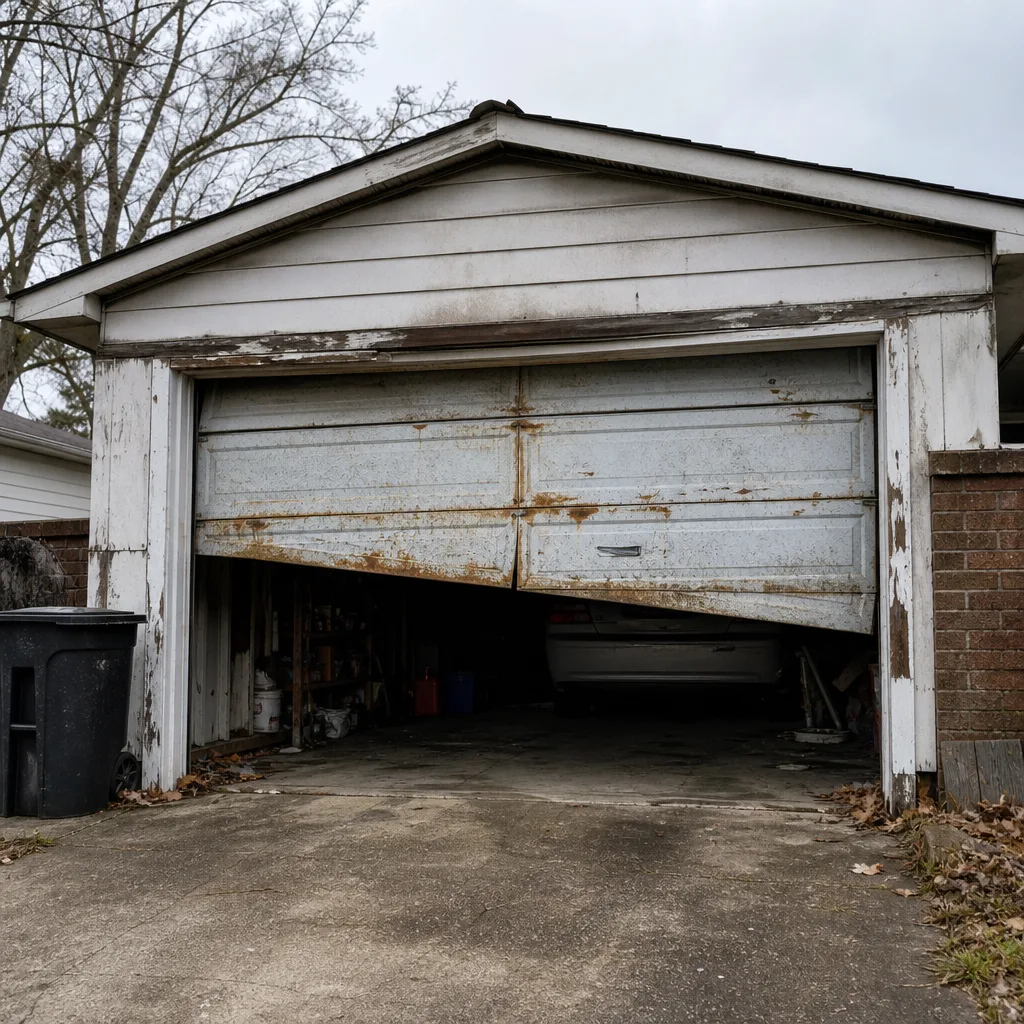 Before
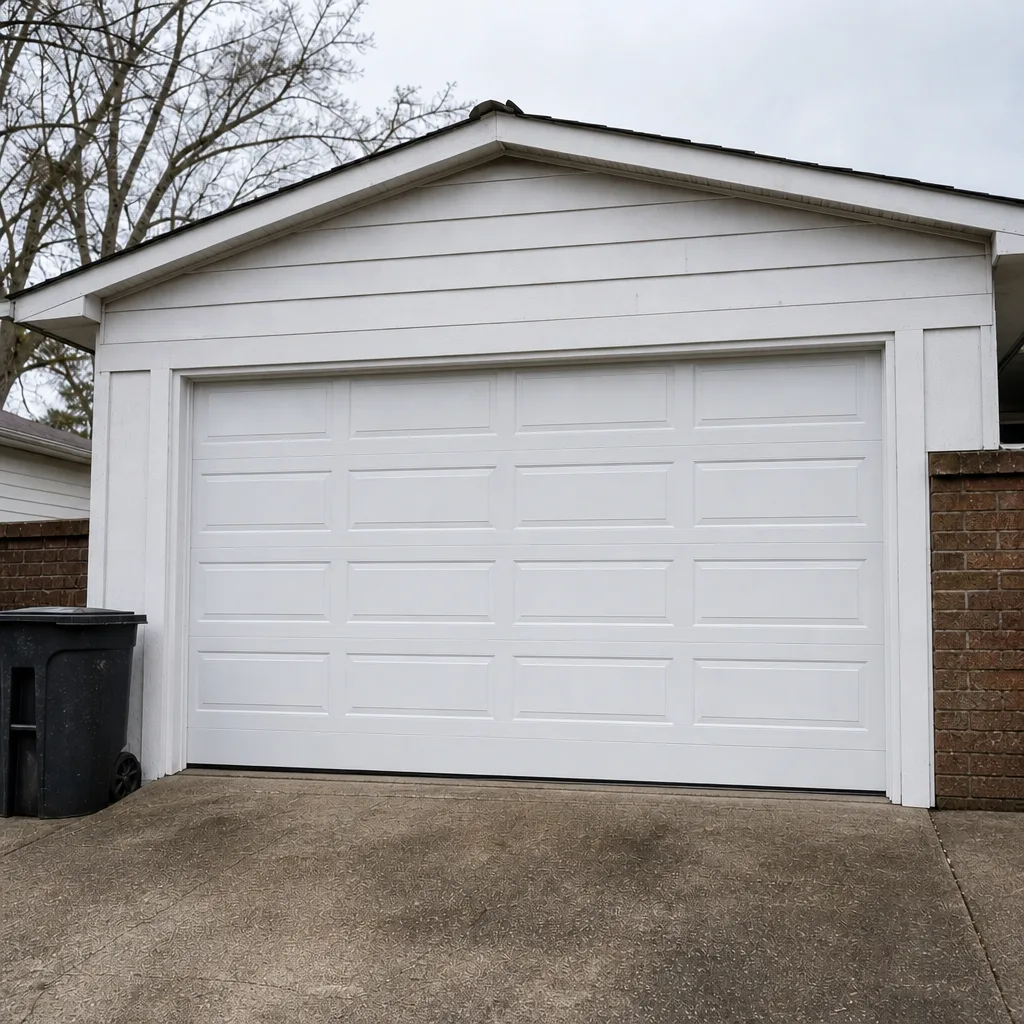 After
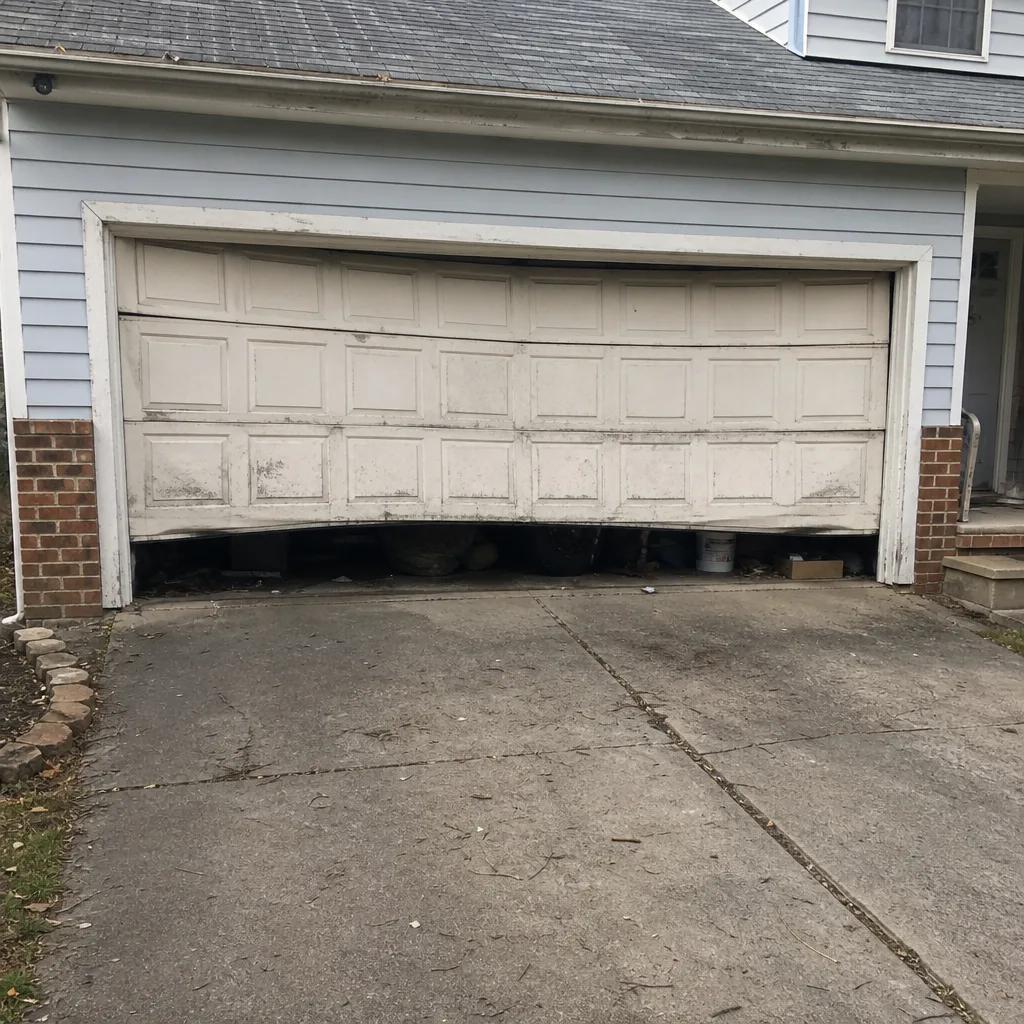 Before
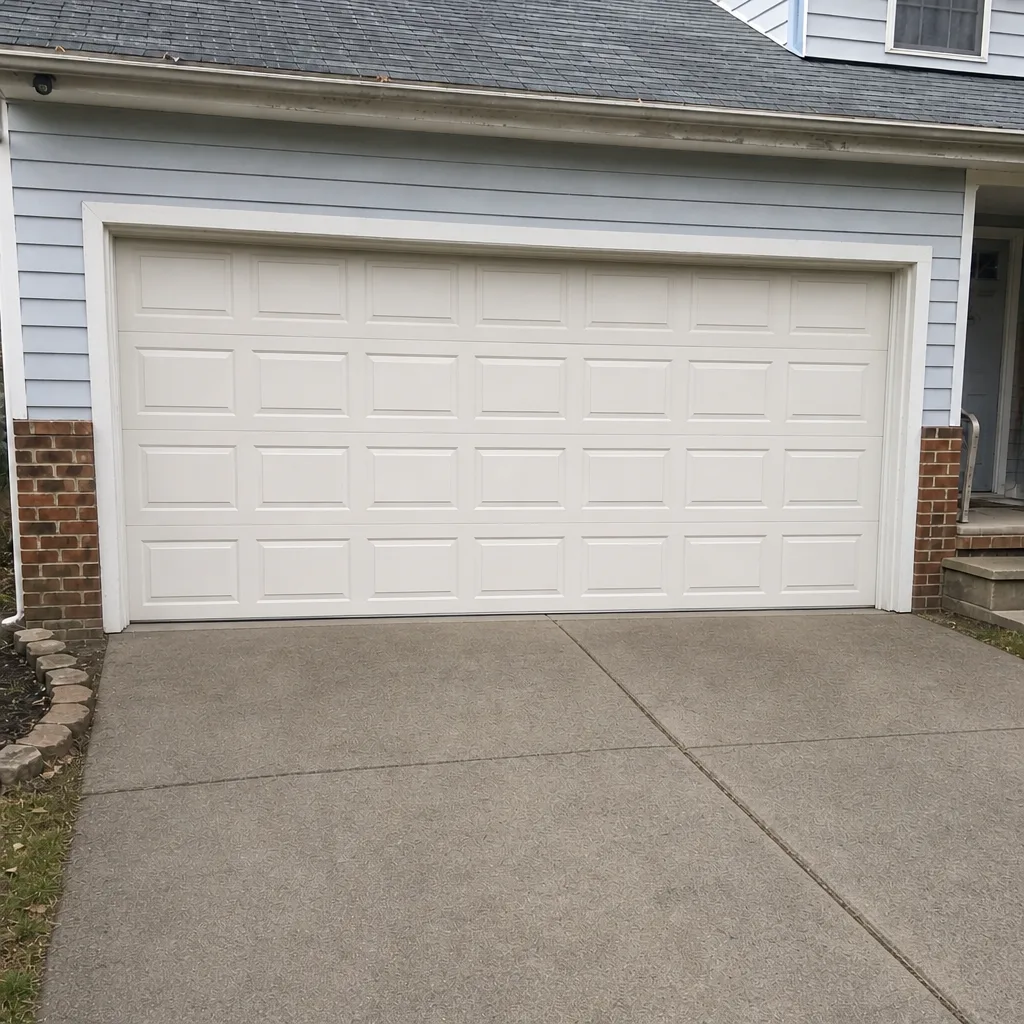 After
When to Call a Professional
Some things are worth a phone call rather than a weekend. Call a technician if the door is unbalanced, if the springs look worn or the door won’t hold halfway, if the opener struggles or reverses on its own, if the door is visibly out of alignment after a storm, or if the bottom seal has failed and water is getting in. Any work involving torsion springs or the door’s cables belongs to a trained professional, full stop. Juniper Garage Door Repair offers free estimates in Norfolk. Call (877) 384-9329. We answer 24/7. Fast dispatch from 7am to 7pm, Sunday through Friday. Our technicians have up to 13 years of experience.
Frequently Asked Questions
Once a year is a reasonable baseline, but Norfolk’s climate argues for two checks: one in late spring before hurricane season and one in fall before the cold sets in. The spring check catches heat and storm wear, and the fall check catches seal and opener problems before freeze-thaw makes them worse. If your door is older or you’ve noticed it struggling, add an inspection. Call (877) 384-9329 for a free estimate.
Before June 1. That’s the practical deadline, because hurricane season opens on June 1 and the checklist that matters (hardware, manual release, weatherstripping, panel integrity) takes a technician time to complete properly. Get the pre-season inspection done in May, and you’ll have time to address anything that turns up. Call (877) 384-9329 for a free estimate.
Heat doesn’t “damage” a spring in the way water damages wood, but it changes the tension and makes a marginal spring fail faster. A spring that was already near the end of its life will often break during the summer stress period. If your door starts binding or drifting in the heat, that’s a sign to have it looked at. Never adjust springs yourself; call (877) 384-9329 for a free estimate.
EPDM rubber is the better choice for Norfolk because it stays flexible through freeze-thaw cycles. Vinyl seals are common and cheaper but stiffen and crack faster in the cold. Check the seal by hand each fall, and replace it when it hardens or pulls away. Call (877) 384-9329 for a free estimate.
Yes. Storms can loosen hardware, shift a track, or damage weatherstripping without stopping the door from operating. Those problems wear the system down over the following weeks. A visual audit after a nor’easter or tropical system catches them while they’re still a small fix. Call (877) 384-9329 for a free estimate.
Keep the door sealed with a quality exterior finish, check the bottom edge for moisture, and seal any gaps in the panels or joints. Reapply the finish before it starts to fail. If you’re replacing a wood door, a wood-look composite or steel-backed door handles Tidewater humidity with far less upkeep. Call (877) 384-9329 for a free estimate.
The Bottom Line
Norfolk’s garage door calendar isn’t spring, summer, fall, winter. It’s a pre-hurricane deadline, a hot and humid high-stress season, a short sharp winter, and two shoulder periods where deferred maintenance catches up with you. Work the checks in this guide at the right points in the year, keep the bottom seal and the hardware in good shape, and leave anything involving springs or cables to a trained technician. Get it right and your door will run reliably through the worst of a Norfolk summer. If something’s already off, call (877) 384-9329 for a free estimate. We answer 24/7. Fast dispatch from 7am to 7pm, Sunday through Friday.
Written by the team at Juniper Garage Door Repair.